




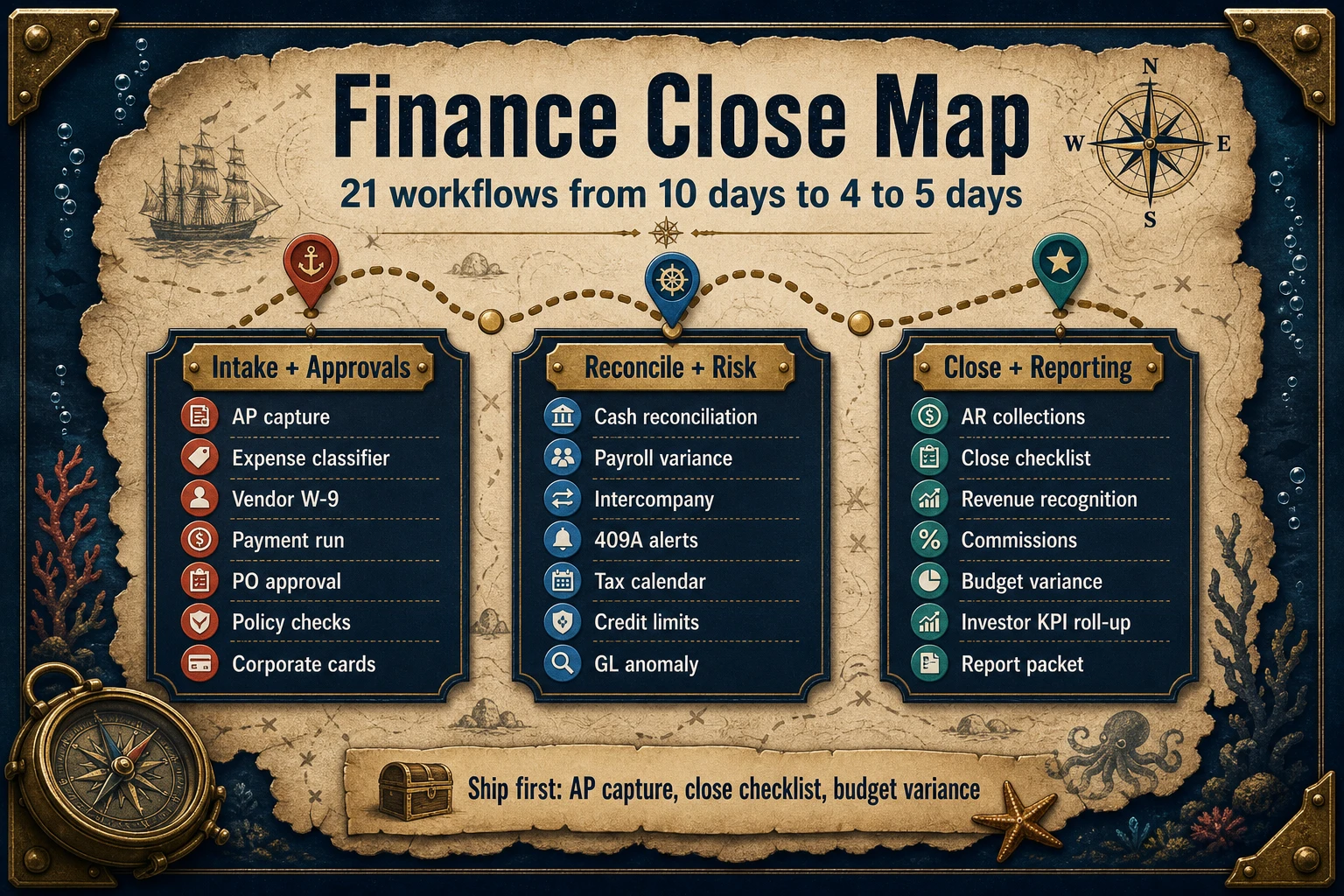
Finance automation is the highest-ROI workflow category we ship. Manual invoice processing costs $8 to $30 per invoice in the source brief, AP automation can cut that by 70 percent, and the right close workflow can move a 10-day month-end close toward 4 or 5 days.
The 21 workflows below run on n8n, direct finance APIs, and a model only where extraction, classification, or explanation matters. Start with AP invoice capture, the close checklist orchestrator, and budget variance reporting before you try to automate the whole finance stack.
Below the surface
Every workflow below has shipped on at least one retainer in the last 12 months. Each names the stack we prefer, the estimated hours saved per month, and the finance owner who usually reviews it.
These are not vendor recommendations. They are buildable workflow patterns for n8n, Zapier, Make, or a custom stack. The constraint is clean data, approval gates, and exception handling before money moves.


By the numbers
The finance automation math
Workflow map
21
Finance automations in the source draft across AP, AR, close, payroll, reporting, and compliance.
Manual invoice cost
$8-$30
Per-invoice range cited from Ramp in the draft source.
Target close
4-5 days
Finance stack target after AP, cash recon, and close orchestration are stable.
Payback window
90 days
Most workflows pay back inside this window when hours saved are multiplied by loaded cost.





The 21 finance automations
Each workflow stays source-backed, but the long list now pulls the matching ideas-library hero image where the source declares an idea dependency or links to an idea page.
-
01 / AP invoice capture and posting
Invoices hit a shared inbox. OCR plus an LLM normalizes vendor, amount, line items, tax, and coding, then posts clean items to the ledger.
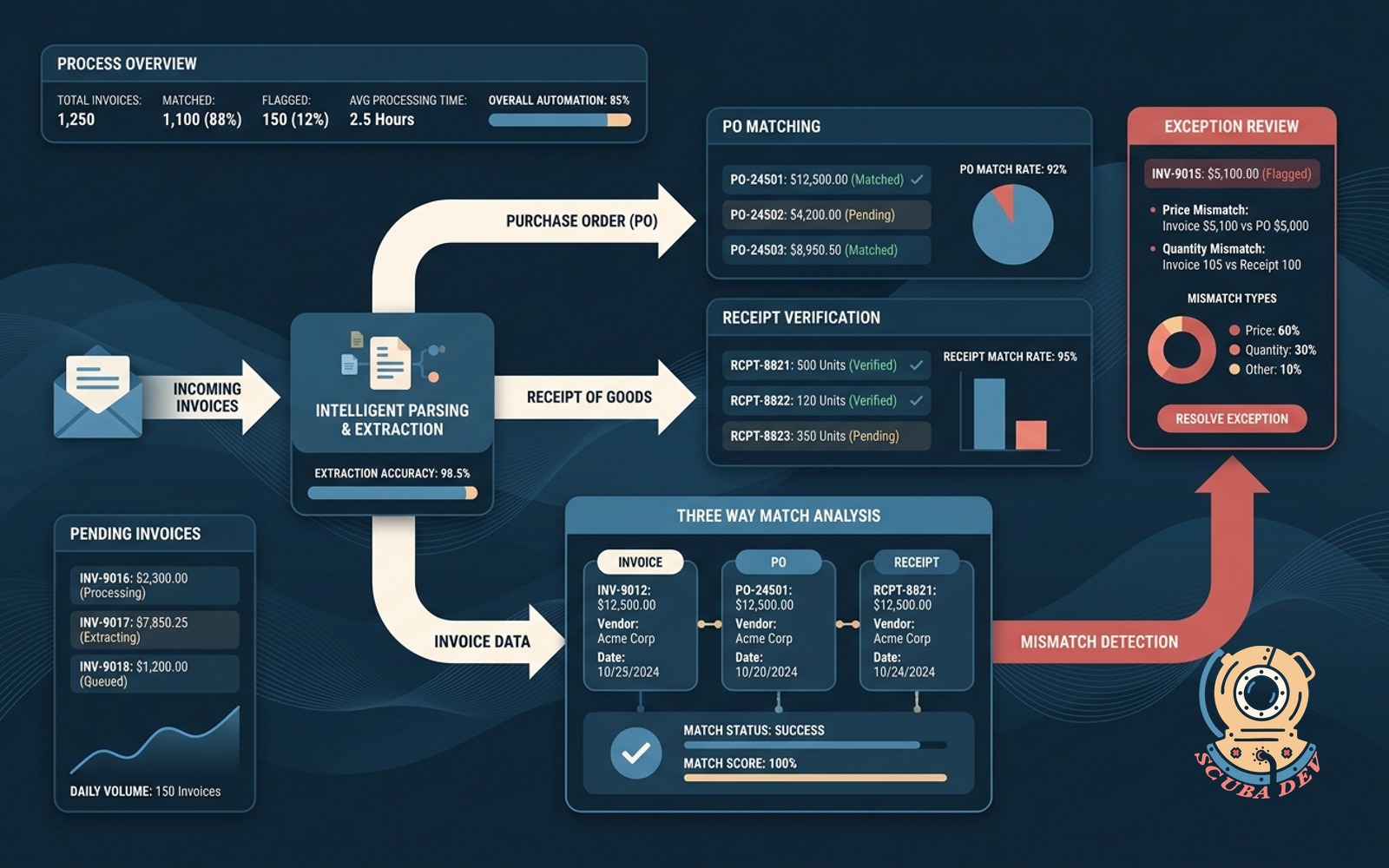 IdeaAP Invoice Extraction With Three Way MatchEffortMomentum, 20 to 60 per monthStackRossum or Stampli, n8n, Claude
This is still the highest-ROI finance workflow in the source draft because every invoice is a manual unit of work. Exceptions stay in a human review queue so the automation accelerates AP without turning into blind auto-posting.
Read the full idea: AP Invoice Extraction With Three Way Match →
-
03 / Expense report classifier
Receipt photos become merchant, amount, category, and a suggested GL code, then route based on amount and category.
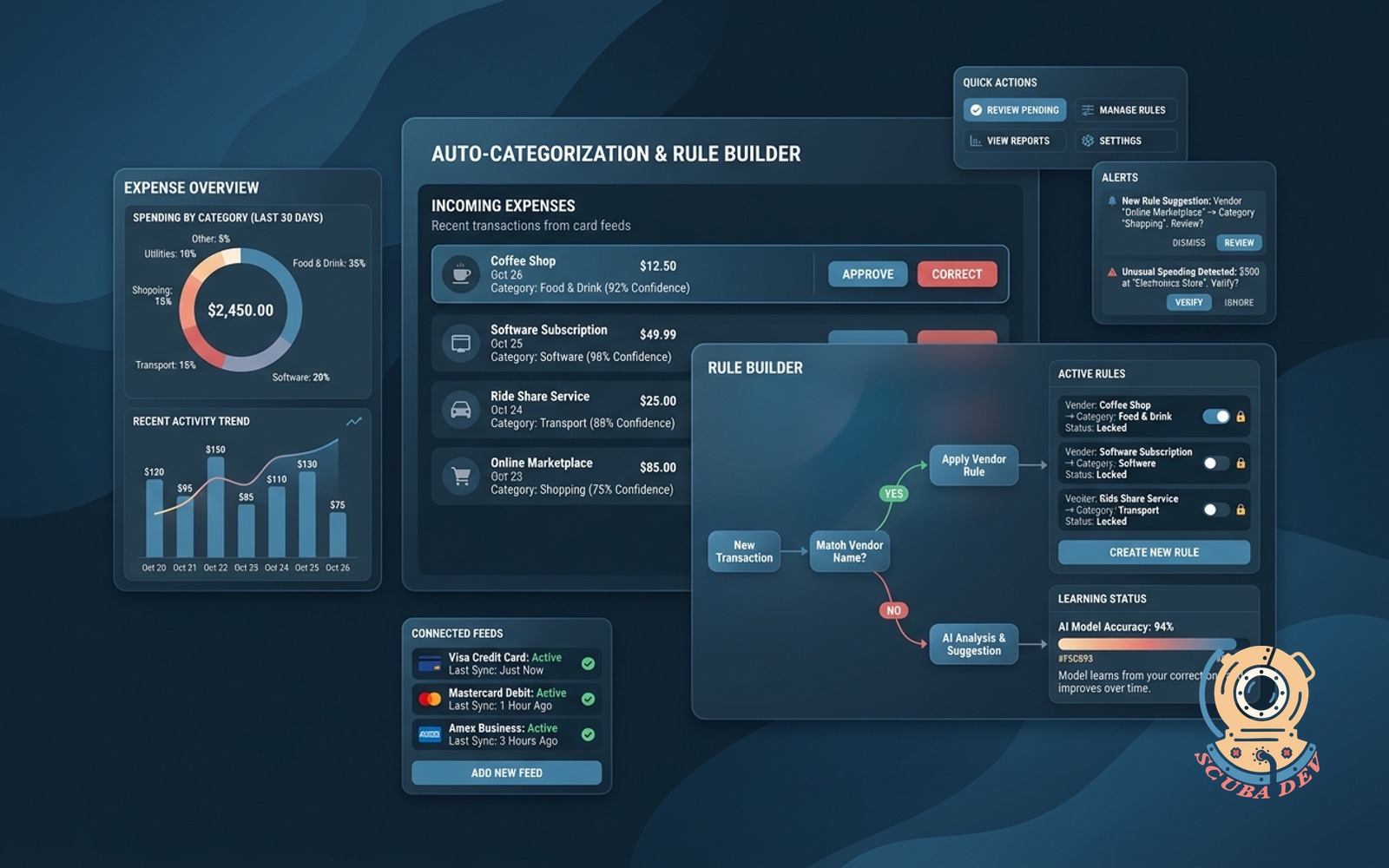 IdeaExpense auto-categorizer with rule builderEffortStarter, 10 to 20 per monthStackRamp or Expensify, n8n
The idea-library pattern adds a rules layer that learns from corrections and lets finance lock vendors to known categories. That is what stops month-end from becoming a Slack thread about every receipt.
Read the full idea: Expense auto-categorizer with rule builder →
-
04 / Vendor W-9 and 1099 automation
Vendor onboarding requests the W-9, stores the response, maintains eligibility flags, and keeps the year-end filing packet warm.
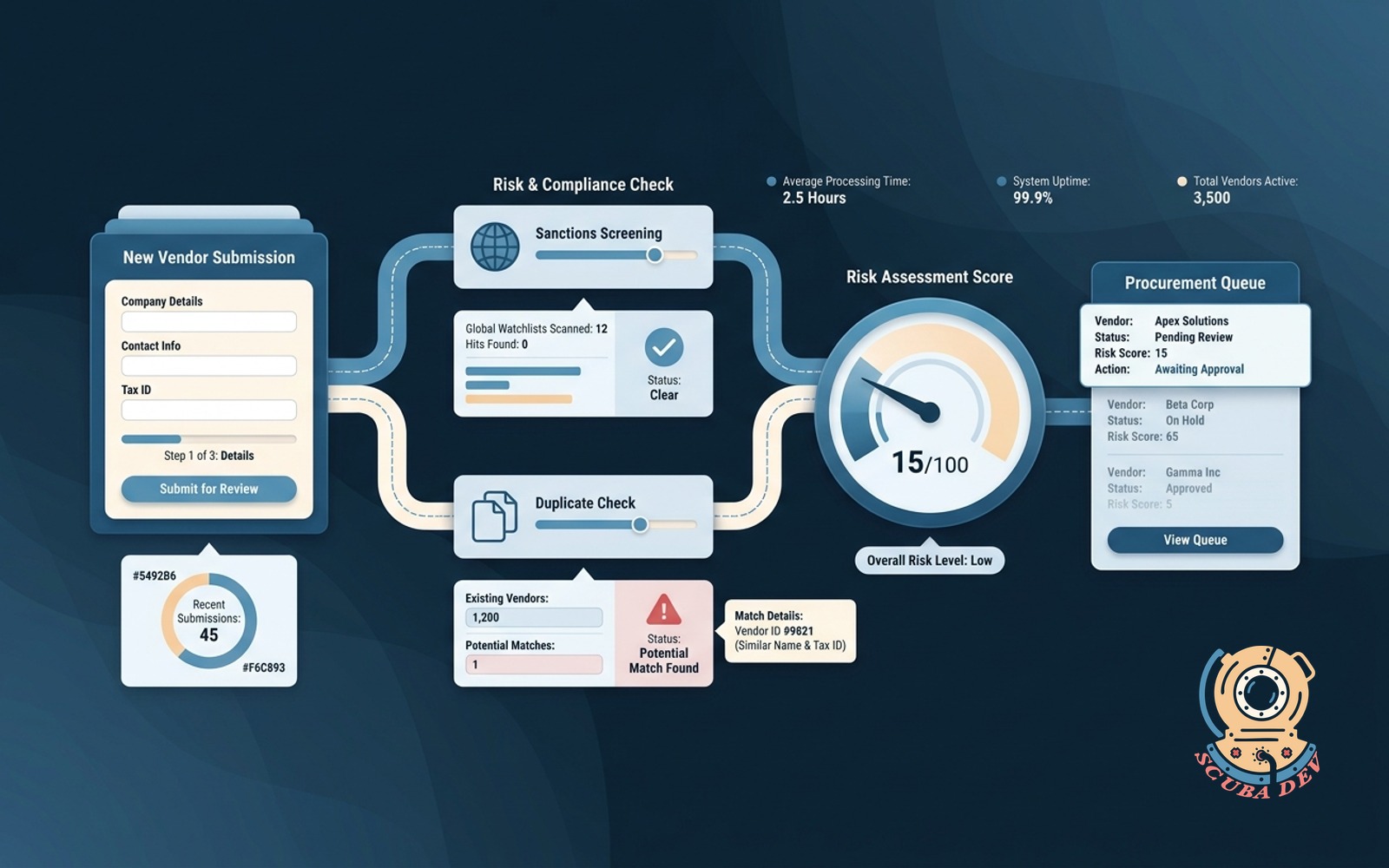 IdeaVendor intake with risk checkEffortMomentum, 5 to 15 per monthStackDocuSign or Dropbox Sign, n8n, ledger API
The vendor intake blueprint supplies the missing guardrails: duplicate checks, sanctions screening, and a clean handoff before procurement or finance touches the record.
-
06 / Payment run approver
Approved invoices batch into one payment run so the CFO reviews one queue and one approval releases the bank file.
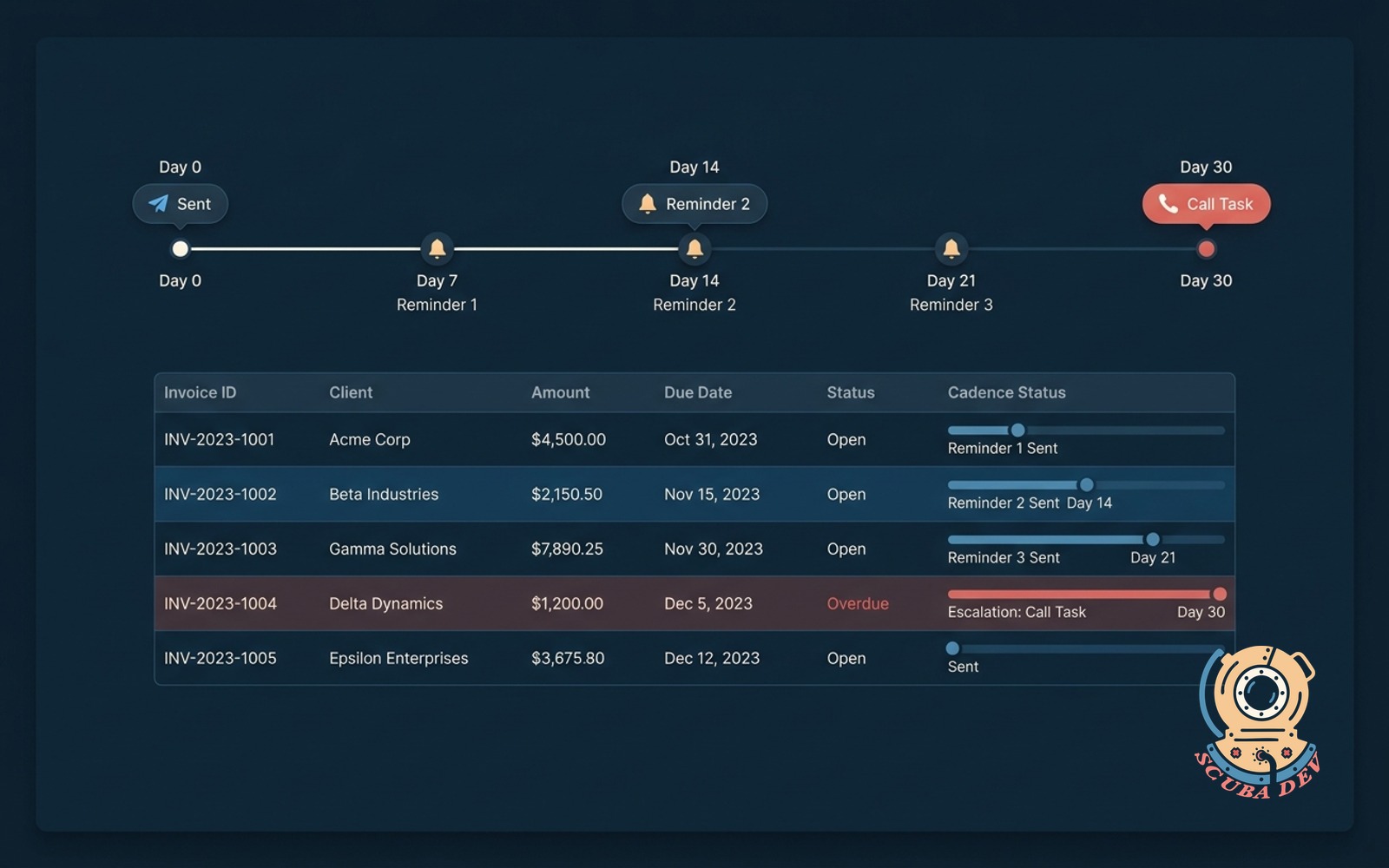 IdeaInvoice-to-payment reminder cascadeEffortStarter, 8 to 15 per monthStackBill.com, Tipalti, bank ACH, n8n
The reminder-cascade idea gives the payment side a timed operating rhythm. Finance can see what is due, what is waiting, and what needs a nudge before it becomes a last-minute payment scramble.
-
12 / Purchase order approval chain
PO requests route by amount and category, approved POs generate to vendors, and AP checks invoice against receipt and PO.
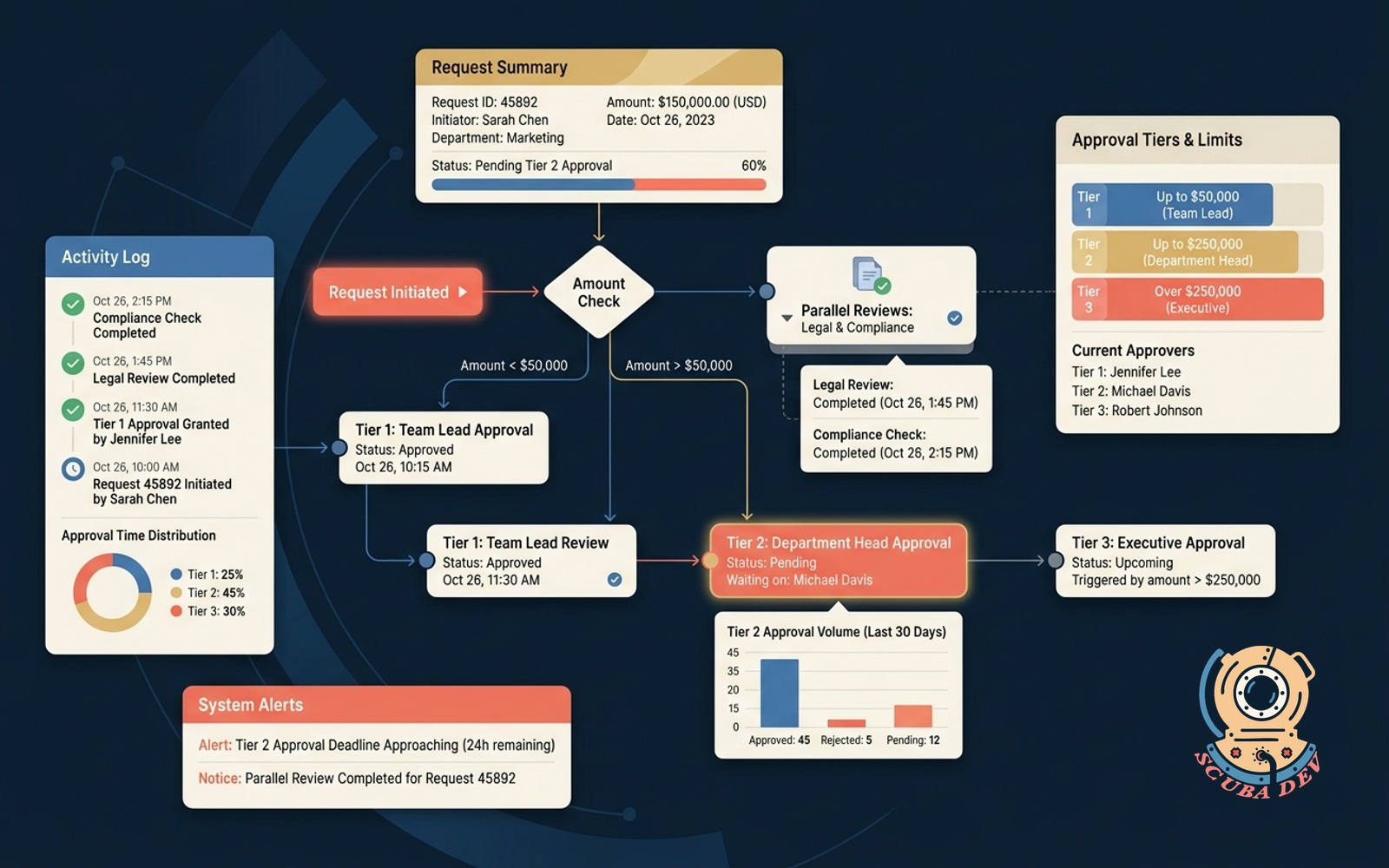 IdeaApproval chain with tiered limitsEffortMomentum, 8 to 20 per monthStackn8n, ledger API, document generation
The tiered-limit approval pattern is the exact source-backed idea called out in the draft. It keeps ordinary purchase flow fast while routing higher-risk approvals through the right chain.
-
13 / Expense policy violation detector
Every submitted expense runs against policy rules before finance reviews it.
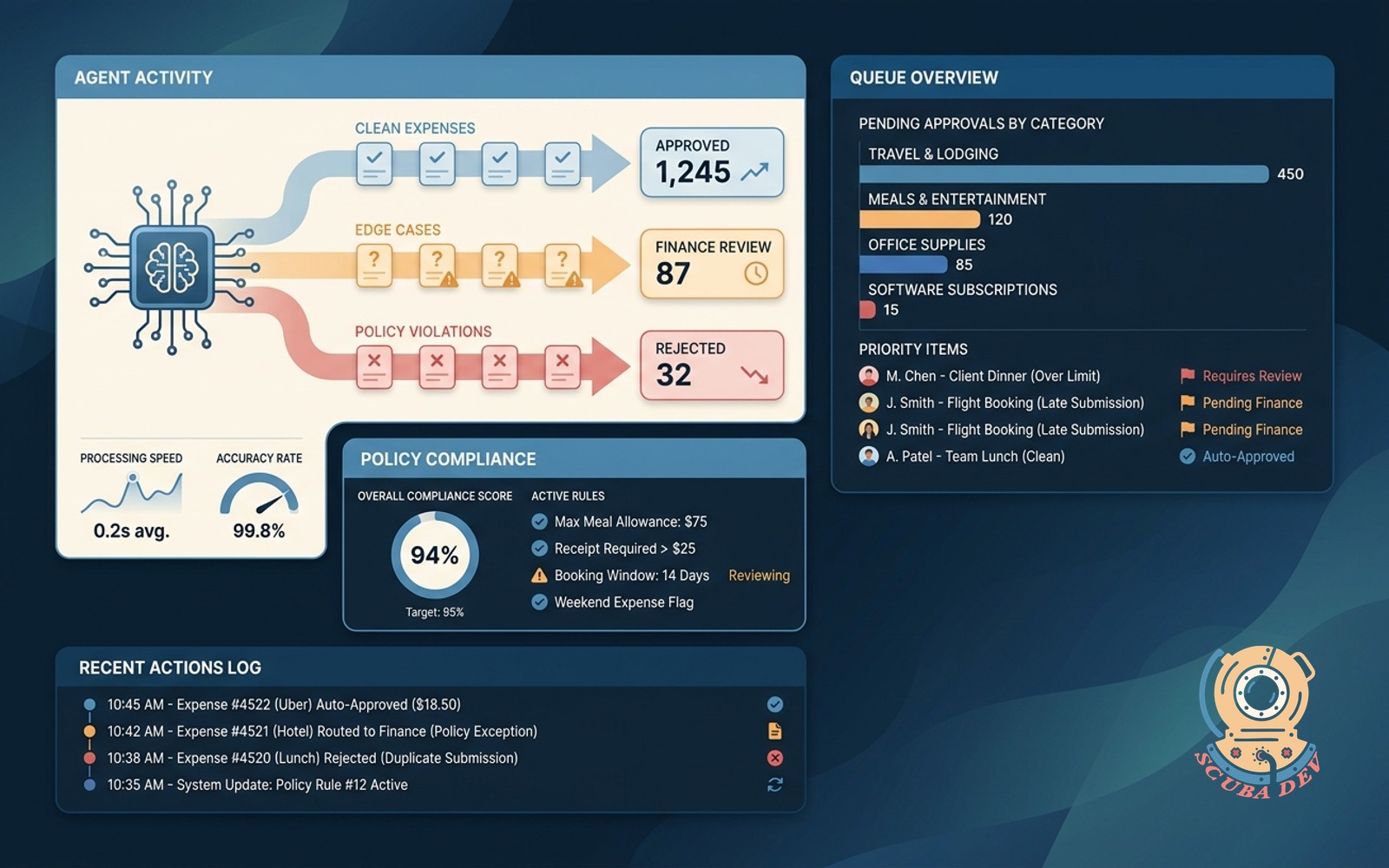 IdeaExpense approval agentEffortMomentum, 5 to 15 per monthStackRamp or Expensify, n8n, Claude
The expense approval agent makes the reviewer faster without removing judgment. Clean items can move, while edge cases arrive with the reason, policy reference, and supporting receipt already attached.
-
14 / Corporate card reconciler
Daily card streams receive category and GL suggestions, then cardholders confirm or correct by Slack or email.
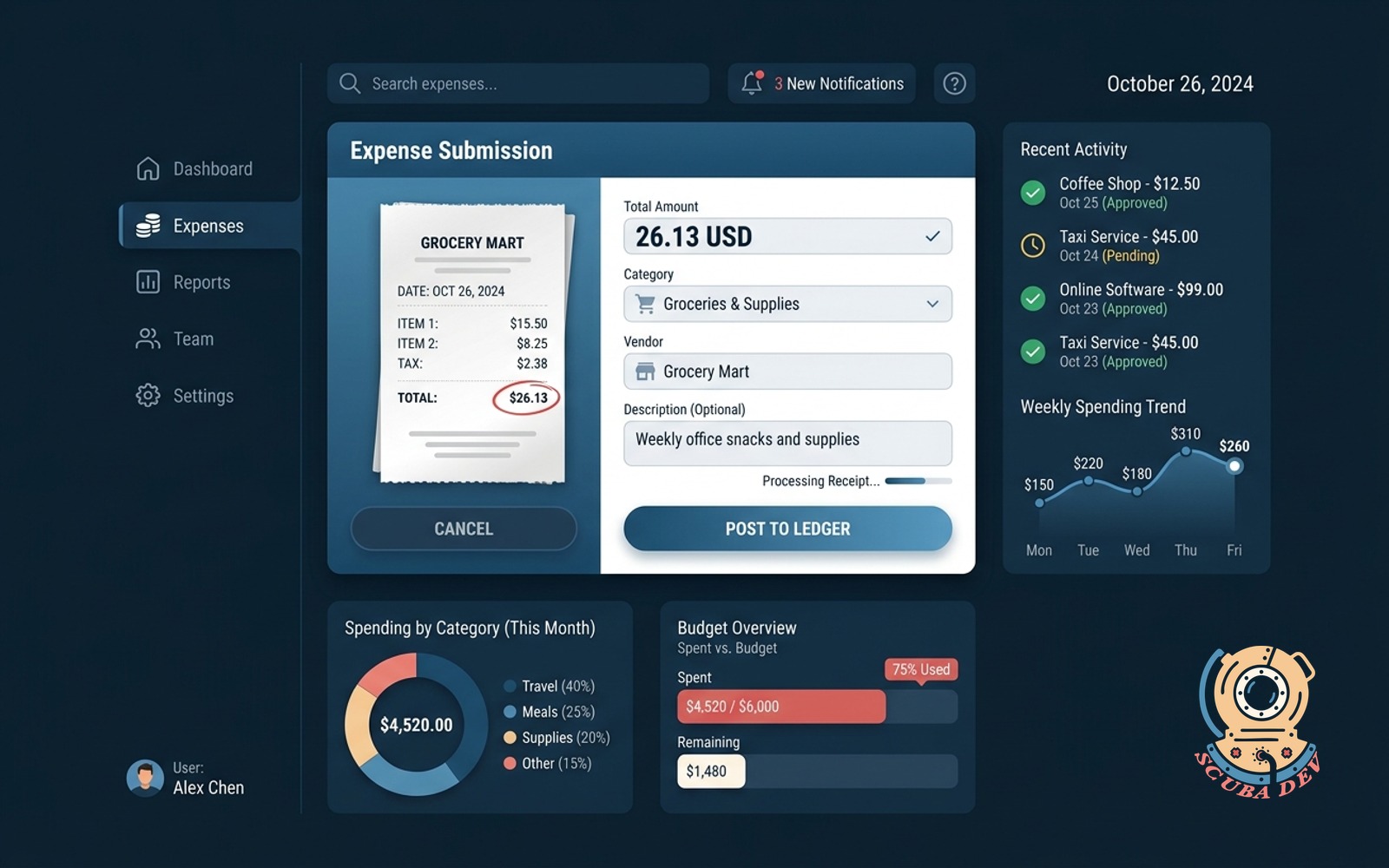 IdeaExpense submission formEffortMomentum, 10 to 20 per monthStackBrex or Ramp, n8n, Claude
The expense submission form pattern gives finance a friendlier capture surface. It keeps the cardholder in the loop before close rather than asking for a pile of missing context at the end.
-
05 / Accounts receivable collections agent
AR aging feeds a rules engine with friendly, firm, CFO-signed, and escalated reminders.
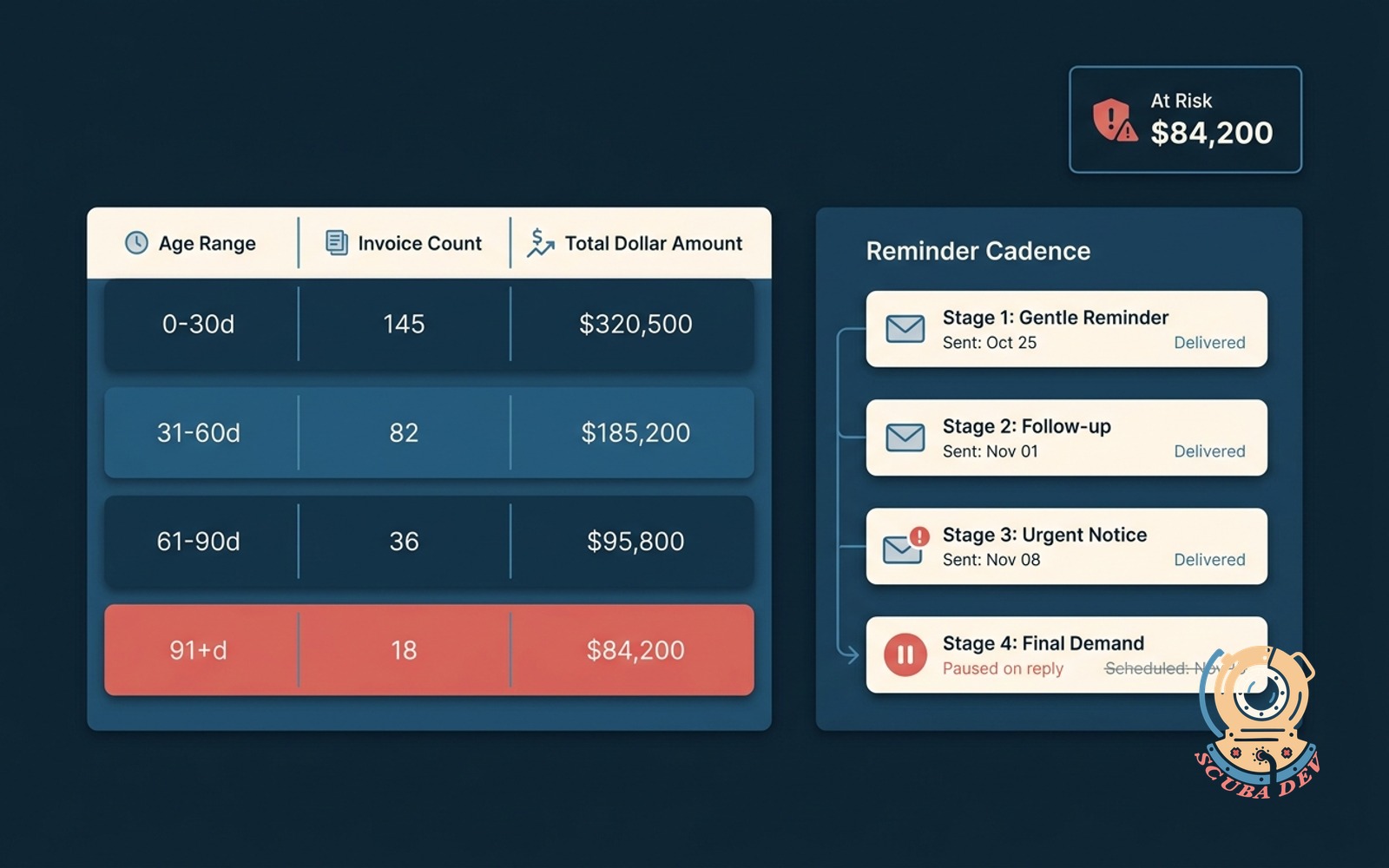 IdeaAR aging board with auto-nudgeEffortStarter, 15 to 30 per monthStackLedger API, n8n, transactional email
The aging-board idea supplies the operational surface: invoices grouped by days past due, reminders paused when a customer replies, and collections activity visible before DSO quietly stretches.
-
08 / Revenue recognition workflow
Contracts flow into milestone triggers, deferred revenue posts monthly, and exceptions land in a review queue.
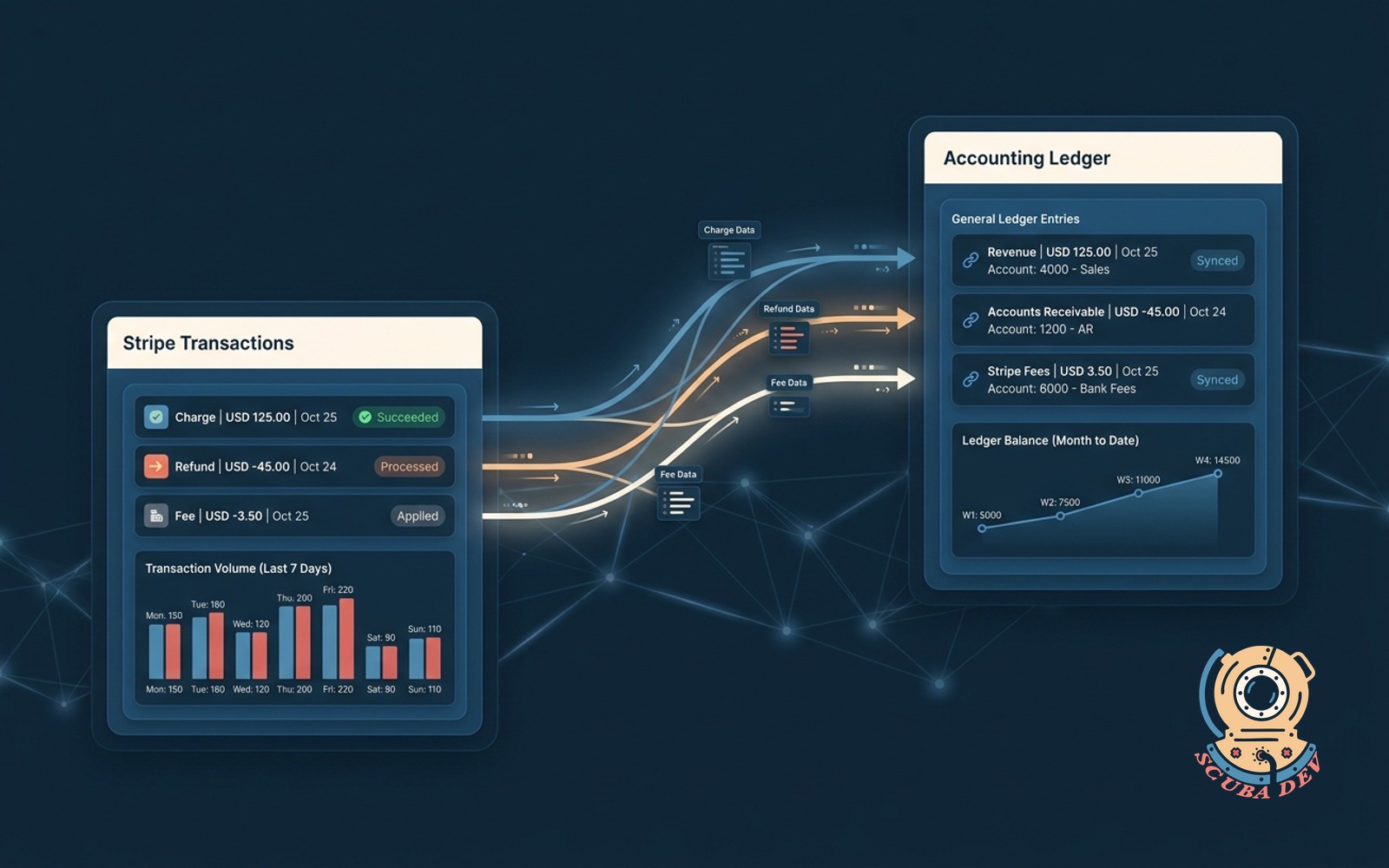 IdeaStripe to ledger syncEffortMomentum, 10 to 25 per monthStackCPQ API, n8n, ledger API, Claude
Stripe-to-ledger sync is the related idea-library pipe: charges, refunds, and fees have to land cleanly before any rev-rec or deferred revenue workflow can be trusted.
-
09 / Sales commission calculator
Closed deals trigger payout rules by rep, splits, accelerators, and clawbacks, then write to payroll.
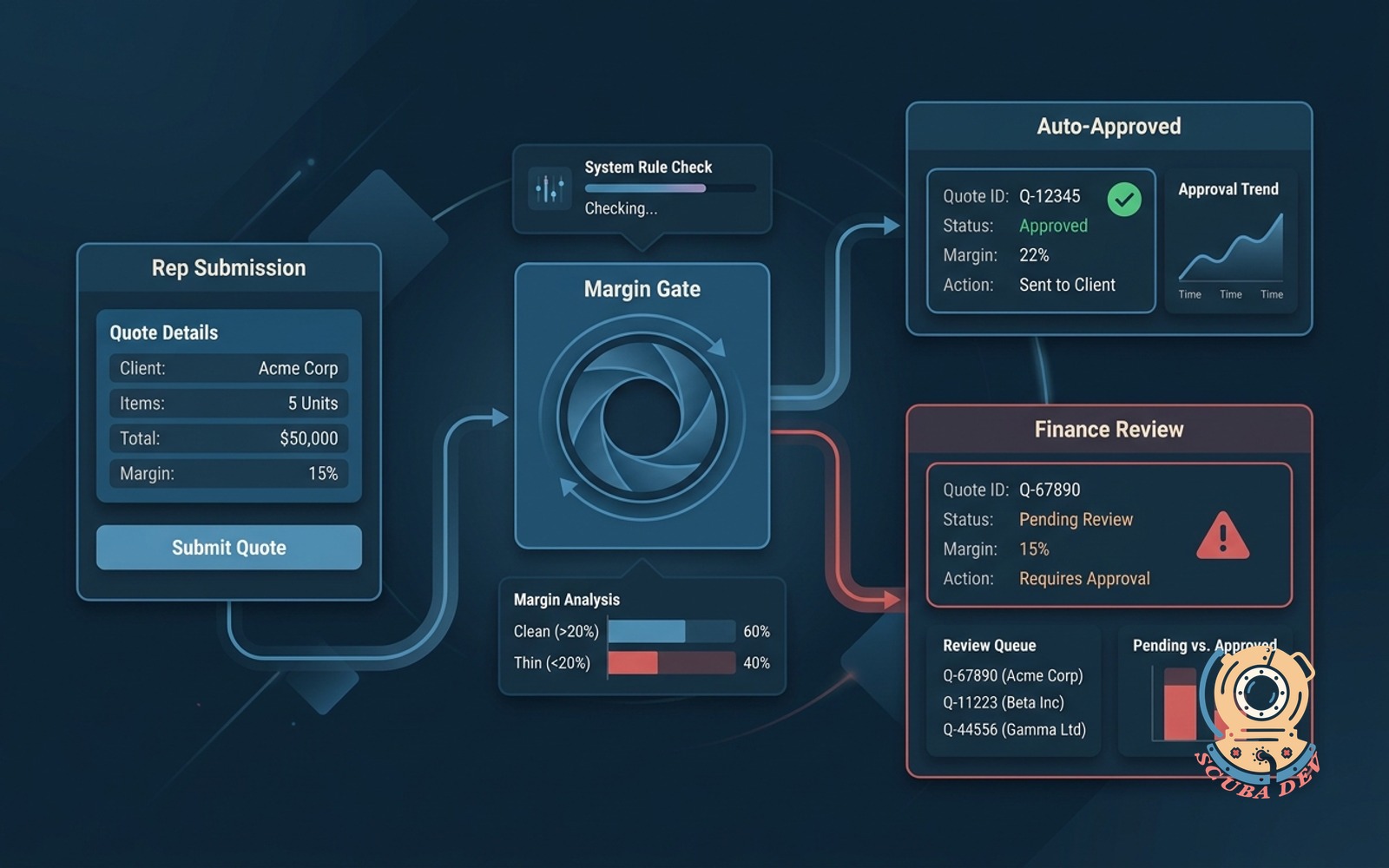 IdeaQuote approval workflow with margin gateEffortMomentum, 10 to 20 per monthStackCRM API, n8n, payroll API
The quote approval workflow is the upstream control surface. It catches margin issues before they become compensation, finance, and customer expectation problems.
Read the full idea: Quote approval workflow with margin gate →
-
19 / Customer credit check and limit setter
New customers run through credit checks, limit and terms are computed by rules, and CRM plus billing stay updated.
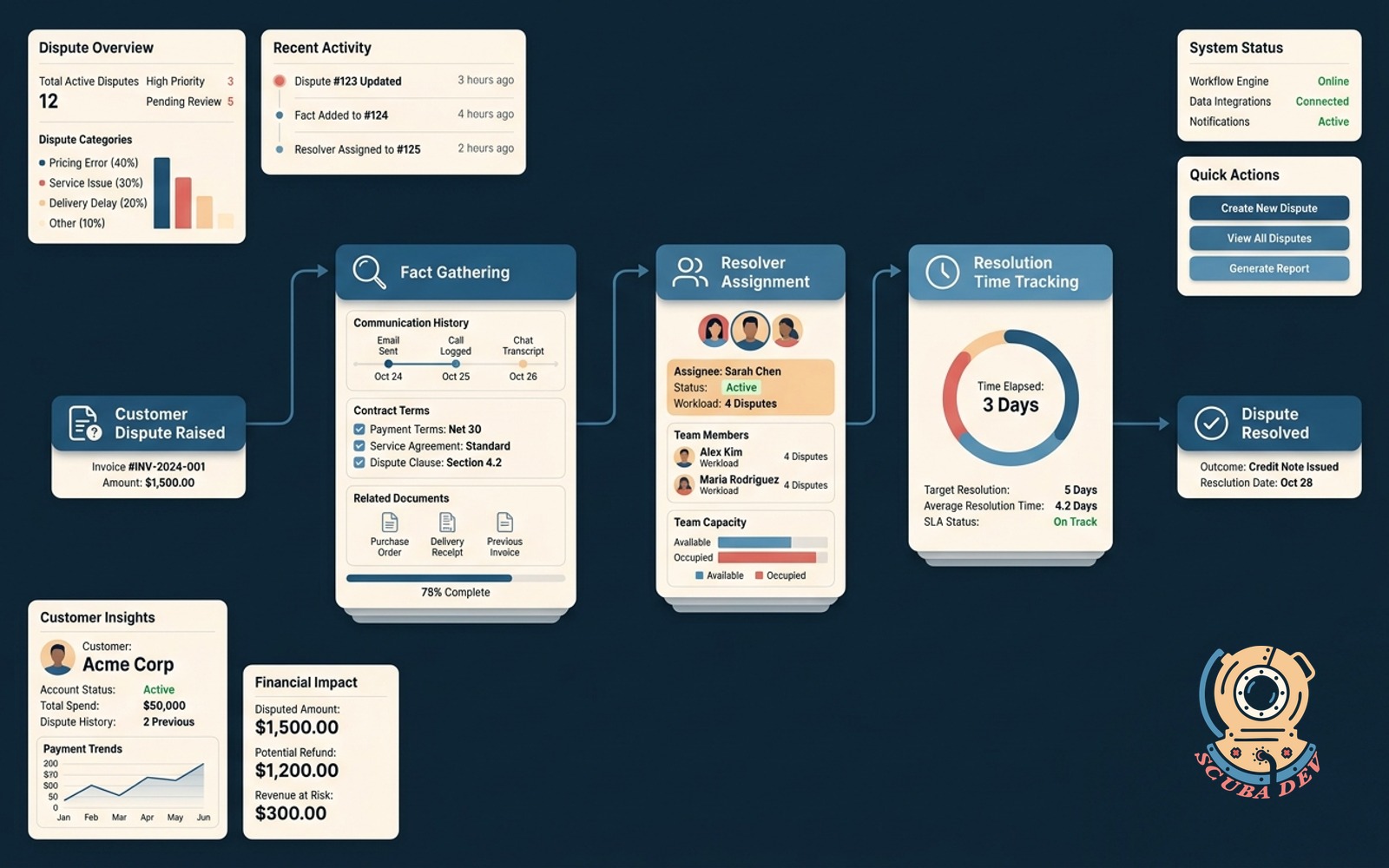 IdeaInvoice dispute workflowEffortStarter, 5 to 15 per monthStackCredit bureau API, n8n, CRM
Invoice dispute workflow is the downstream pattern that keeps customer-risk work visible. If terms, disputes, and credit limits live in separate places, finance cannot see exposure fast enough.

-
02 / Cash reconciliation across bank and ledger
Bank feeds match against ledger transactions nightly, with mismatches and suggested entries waiting in a morning queue.
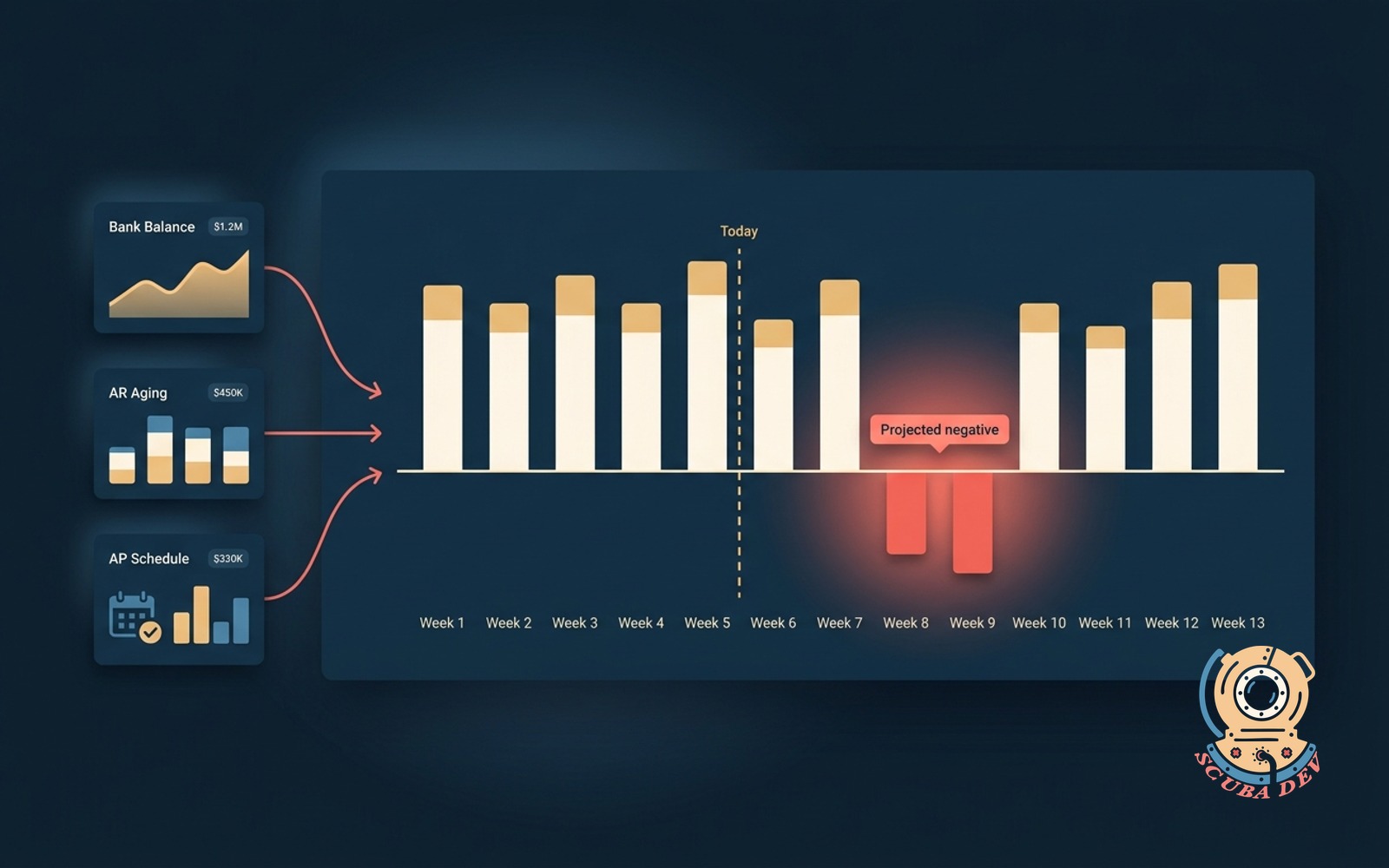 IdeaCash flow forecast dashboardEffortMomentum, 15 to 25 per monthStackPlaid or bank API, n8n, ledger API
The cash-flow forecast dashboard is the executive layer on top of clean reconciliation. Once bank, AR, and AP feeds agree, leadership can see the weeks that go negative before they arrive.
-
07 / Month-end close checklist orchestrator
A 40 to 80 item close checklist runs as a state machine with owners, SLAs, dependencies, blockers, and escalation.
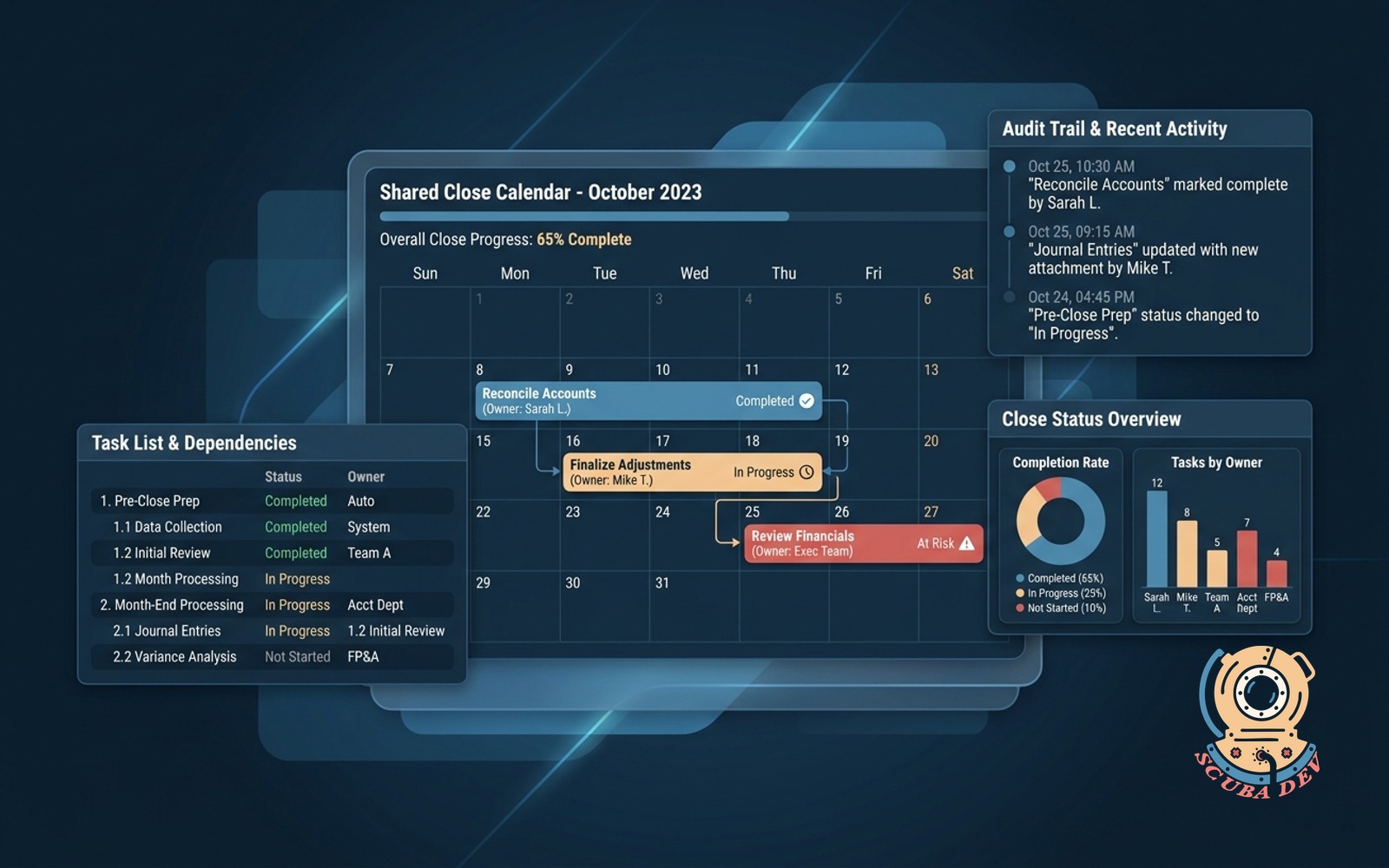 IdeaMonthly close checklist portalEffortStarter, 20 to 40 per monthStackn8n, Notion or Linear, ledger API
The monthly close portal is the exact finance operating surface: task owners, progress, dependencies, and an audit trail that cuts close drift without adding another static checklist.
-
11 / Budget variance dashboard
Actuals pull nightly from the ledger, budget stays in its source of truth, and variance by line item shows the shape of the month by day 5.
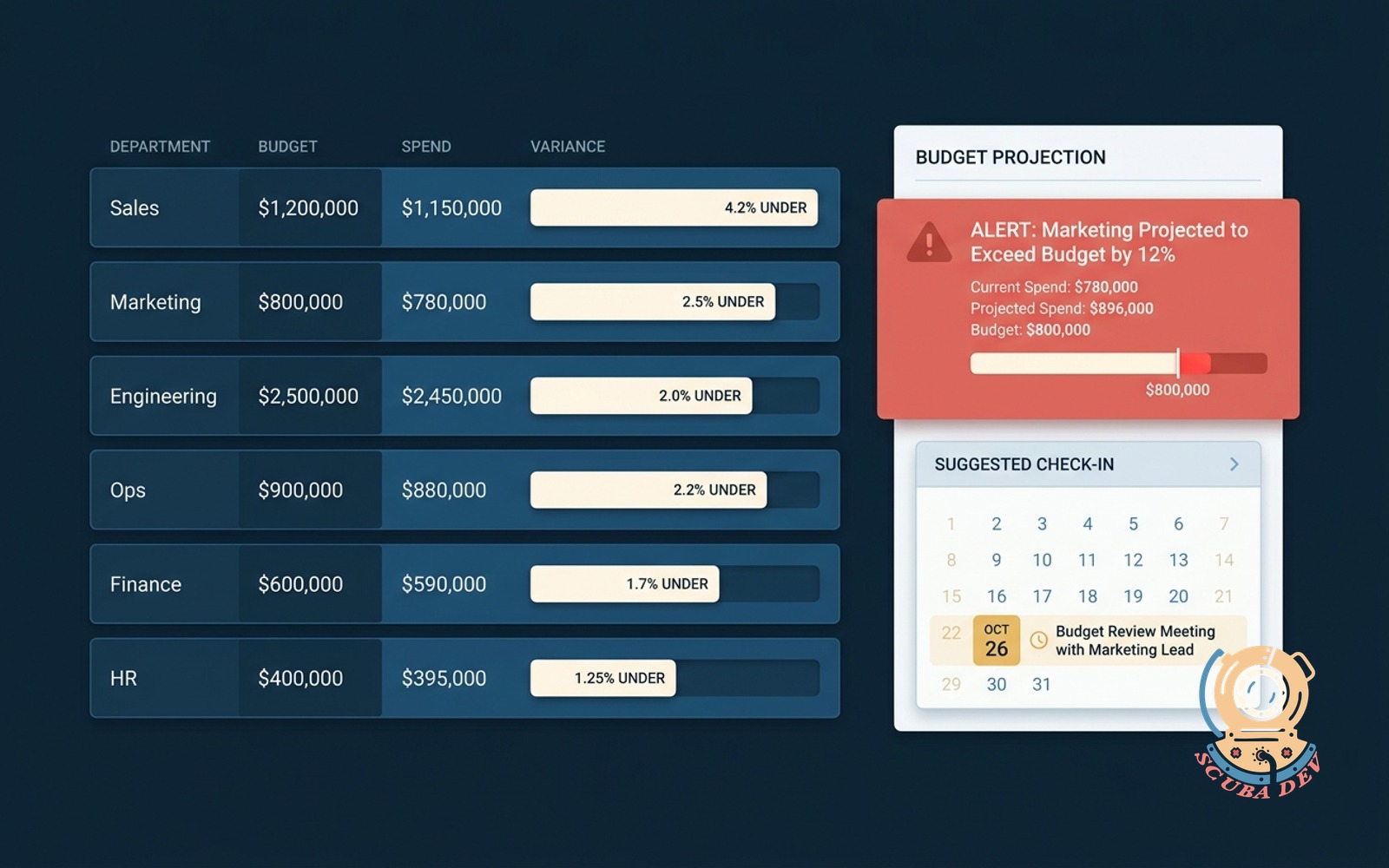 IdeaBudget vs actual dashboard by departmentEffortMomentum, 10 to 20 per monthStackLedger API, FP&A source, dashboard layer
The department budget-vs-actual idea keeps the variance conversation grounded. It exposes the charge behind the line item instead of leaving leadership to inspect a static spreadsheet.
Read the full idea: Budget vs actual dashboard by department →
-
15 / Inter-company reconciliation
Multi-entity sister entries are checked on both sides each day, one-sided entries are flagged, and high-confidence matches generate the missing entry.
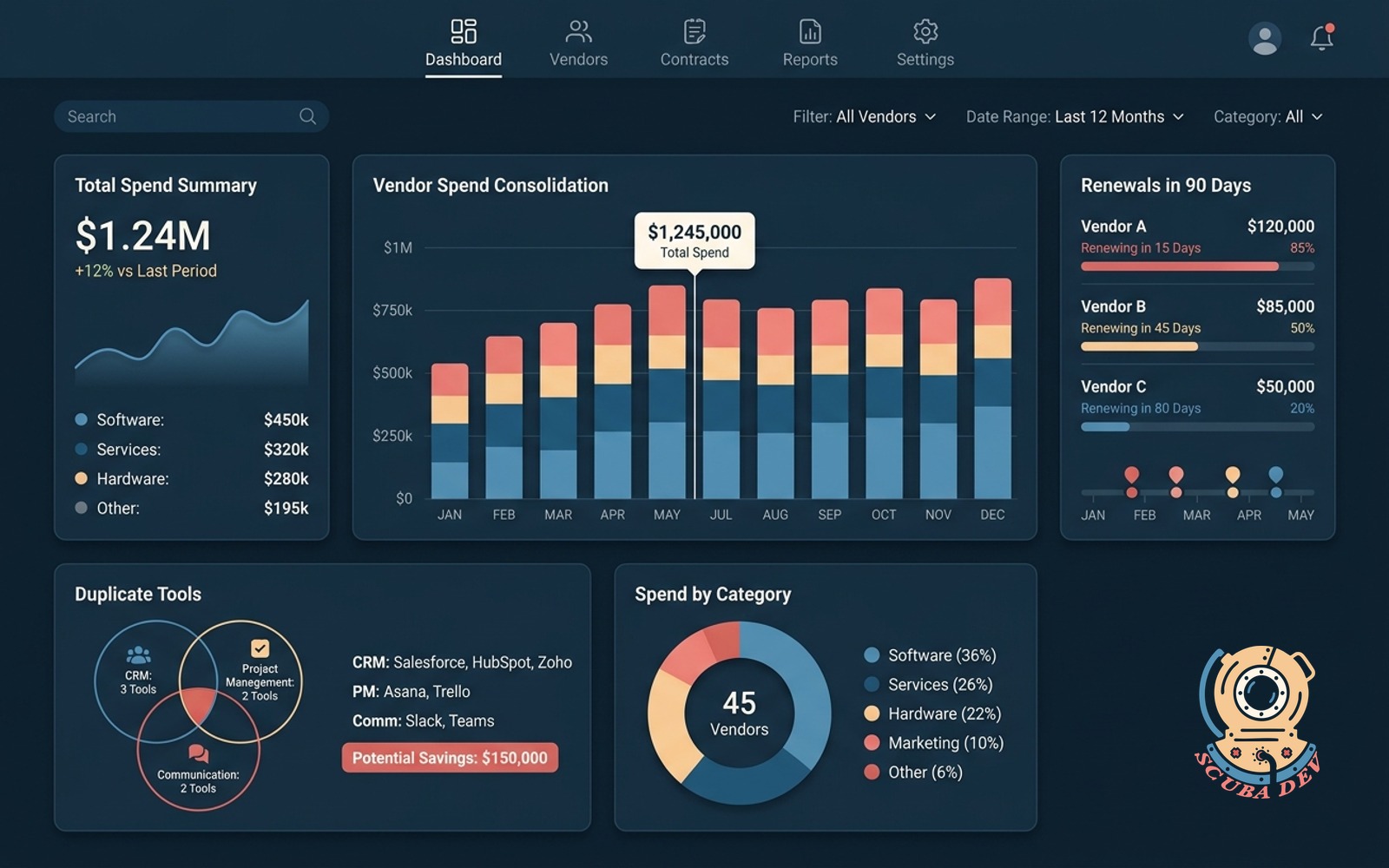 IdeaVendor spend consolidation dashboardEffortStarter, 10 to 30 per monthStackEntity ledger APIs, n8n, custom rules
Vendor spend consolidation brings the same reconciliation discipline to duplicate tools, recurring spend, and renewal exposure. It is not a substitute for entity accounting, but it gives finance the spend map that explains many variances.
-
17 / Investor update and KPI roll-up
ARR, MRR, cash, runway, and headcount pull from source systems, then the model drafts the investor narrative for review.
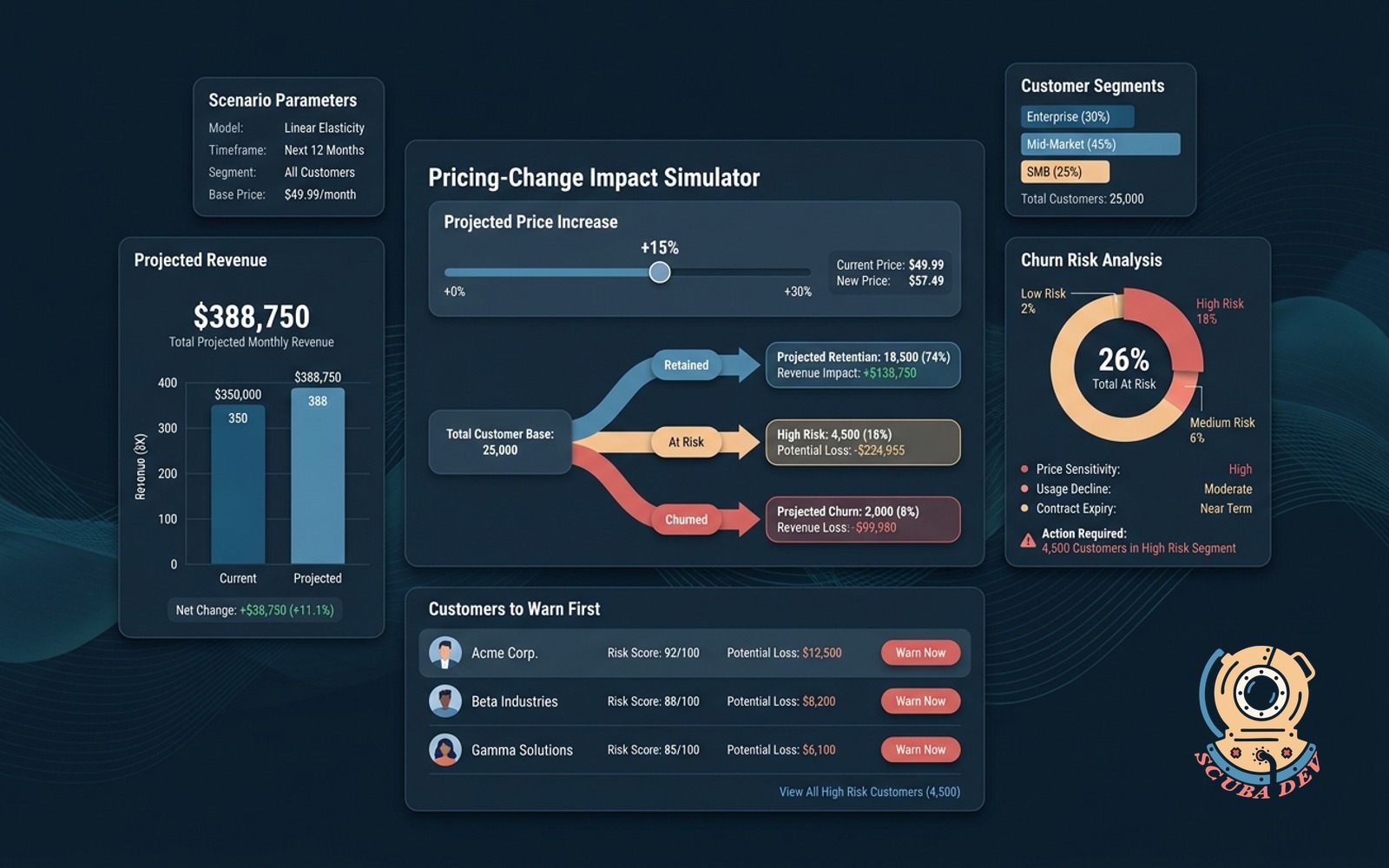 IdeaPricing-change impact simulatorEffortMomentum, 4 to 10 per monthStackLedger API, SaaS KPI pipes, n8n, Claude
The pricing-change impact simulator is the related planning pattern. It turns finance data into decision context, which is exactly what makes investor updates useful instead of performative.
-
20 / Financial report packet generator
Board packet, audit prep, covenant packet, and lender draw requests become templates that pull current numbers and render to PDF or Slides.
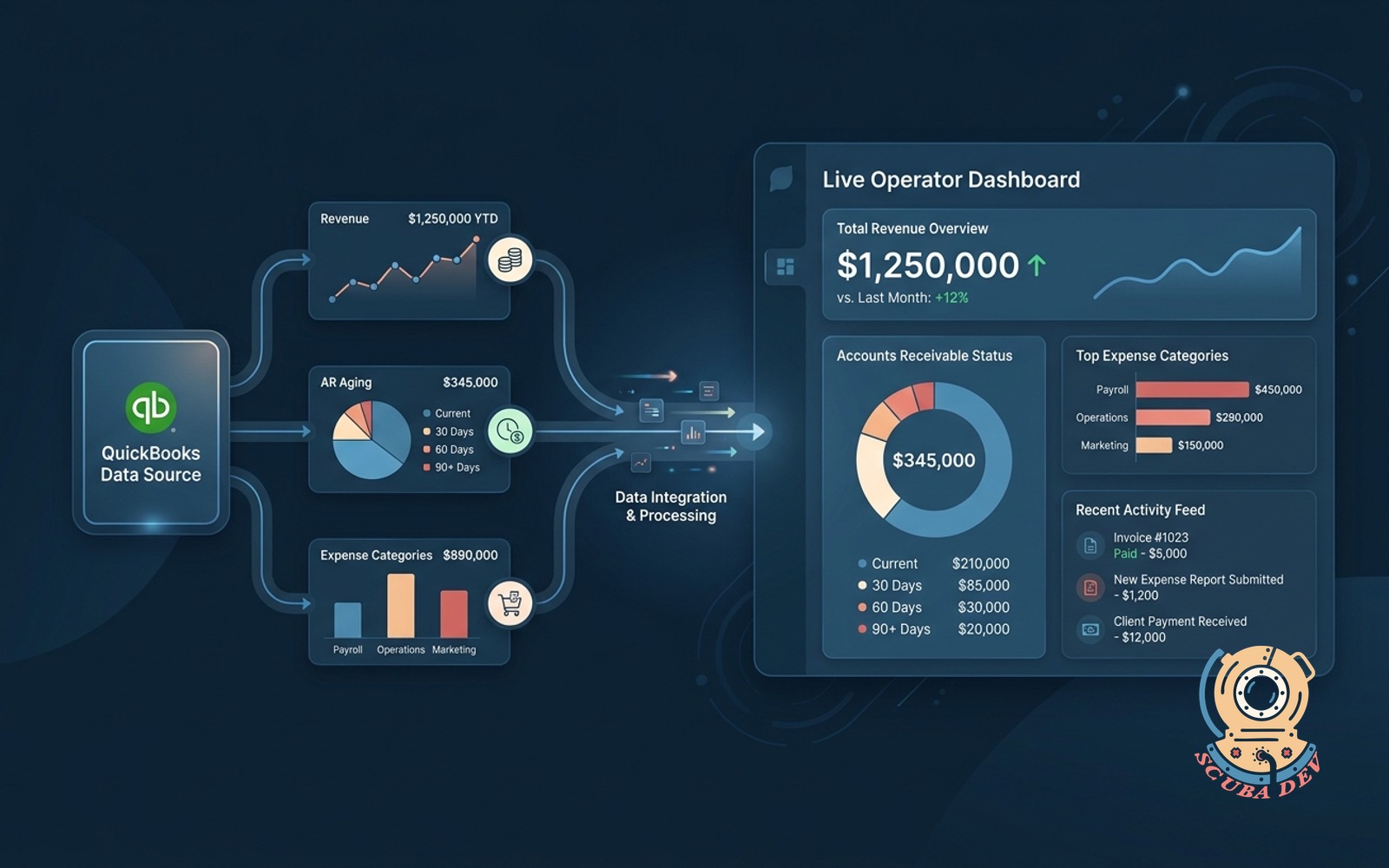 IdeaQuickBooks to dashboardEffortMomentum, 10 to 25 per monthStackLedger API, n8n, Slides or PDF generation
QuickBooks-to-dashboard is the smallest useful version of the same pattern. Once the source data has a live operator dashboard, packet generation becomes assembly instead of archaeology.

-
10 / Payroll variance alerter
Payroll draft diffs against the last period and flags threshold breaks before submission.
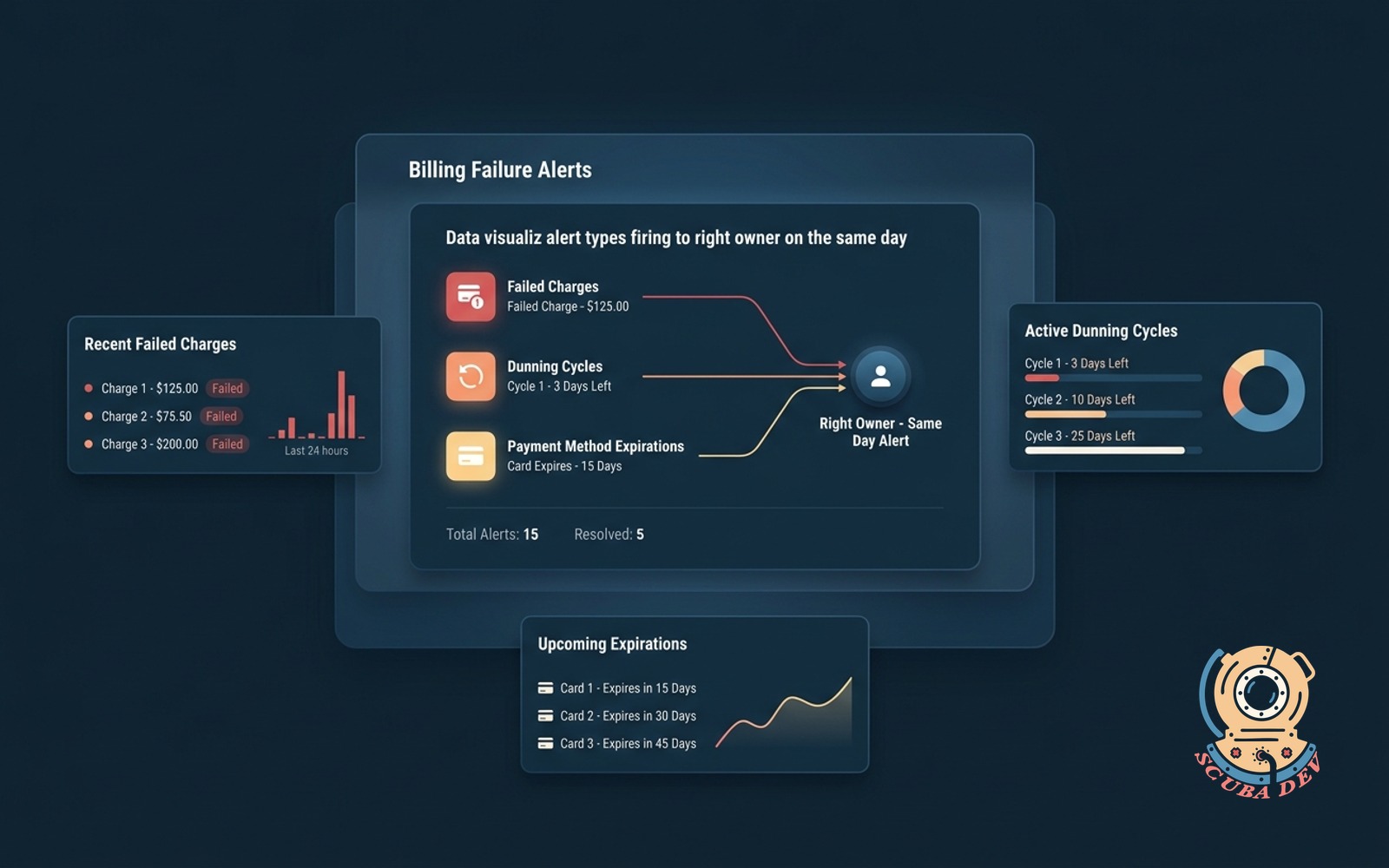 IdeaBilling failure alertsEffortStarter, 5 to 10 per monthStackPayroll API, n8n, Slack or email alerts
Billing failure alerts are the same operating motion applied to another high-consequence stream: catch the exception on the same day, route it to the owner, and prevent a reversal later.
-
16 / Cap table and 409A alerter
409A status, grant pool, and vesting schedules live in one view with alerts for expiration, thresholds, and board approval needs.
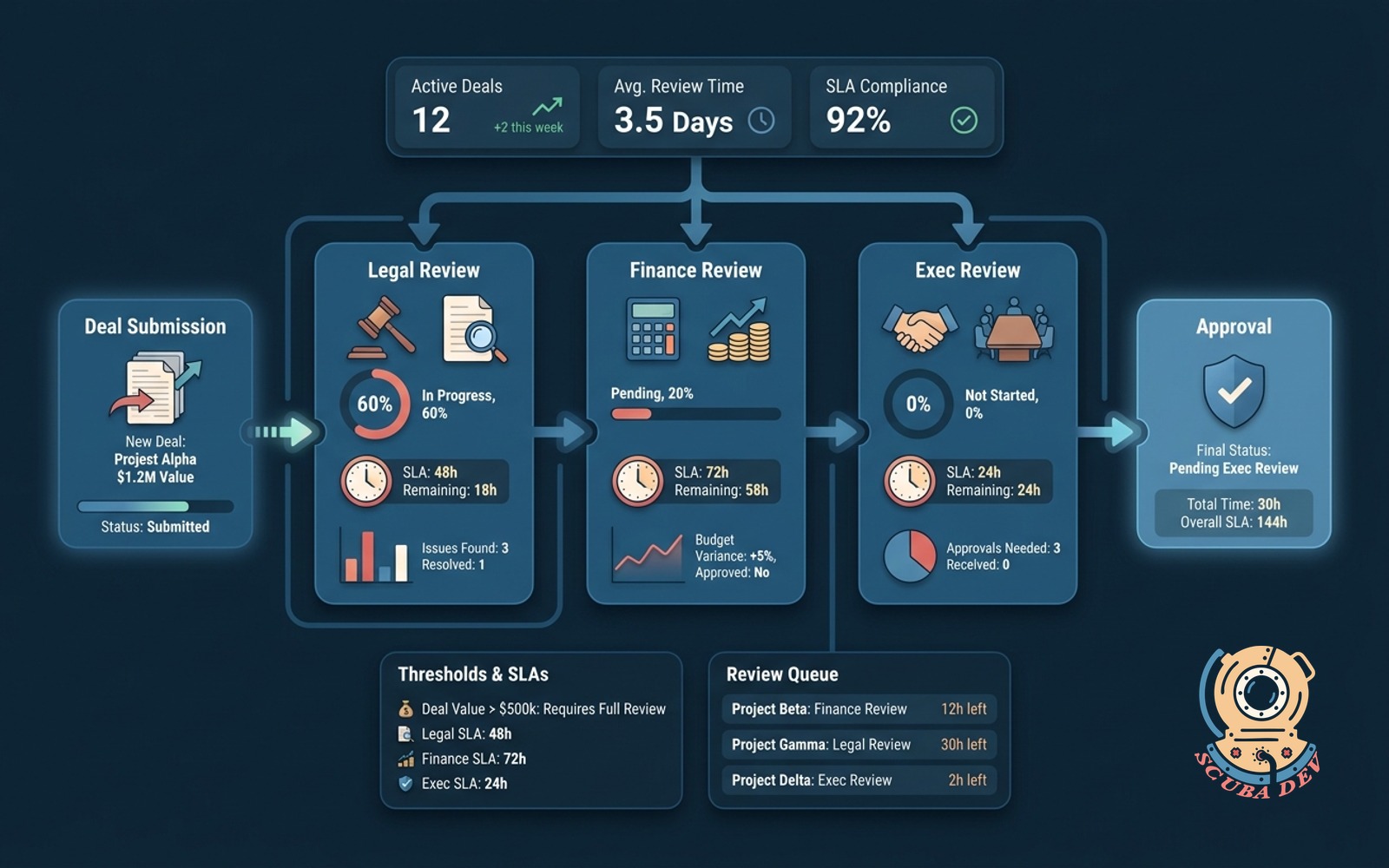 IdeaMulti-step deal reviewEffortMomentum, 2 to 8 per monthStackCarta or Pulley API, n8n, calendar API
The multi-step deal review pattern is the approval skeleton. It keeps legal, finance, and executive checkpoints timed, visible, and routed before a missed approval becomes a governance problem.
-
18 / Tax calendar automation
Filings, due dates, and responsible owners live in one state machine with reminders at 30, 14, and 3 days.
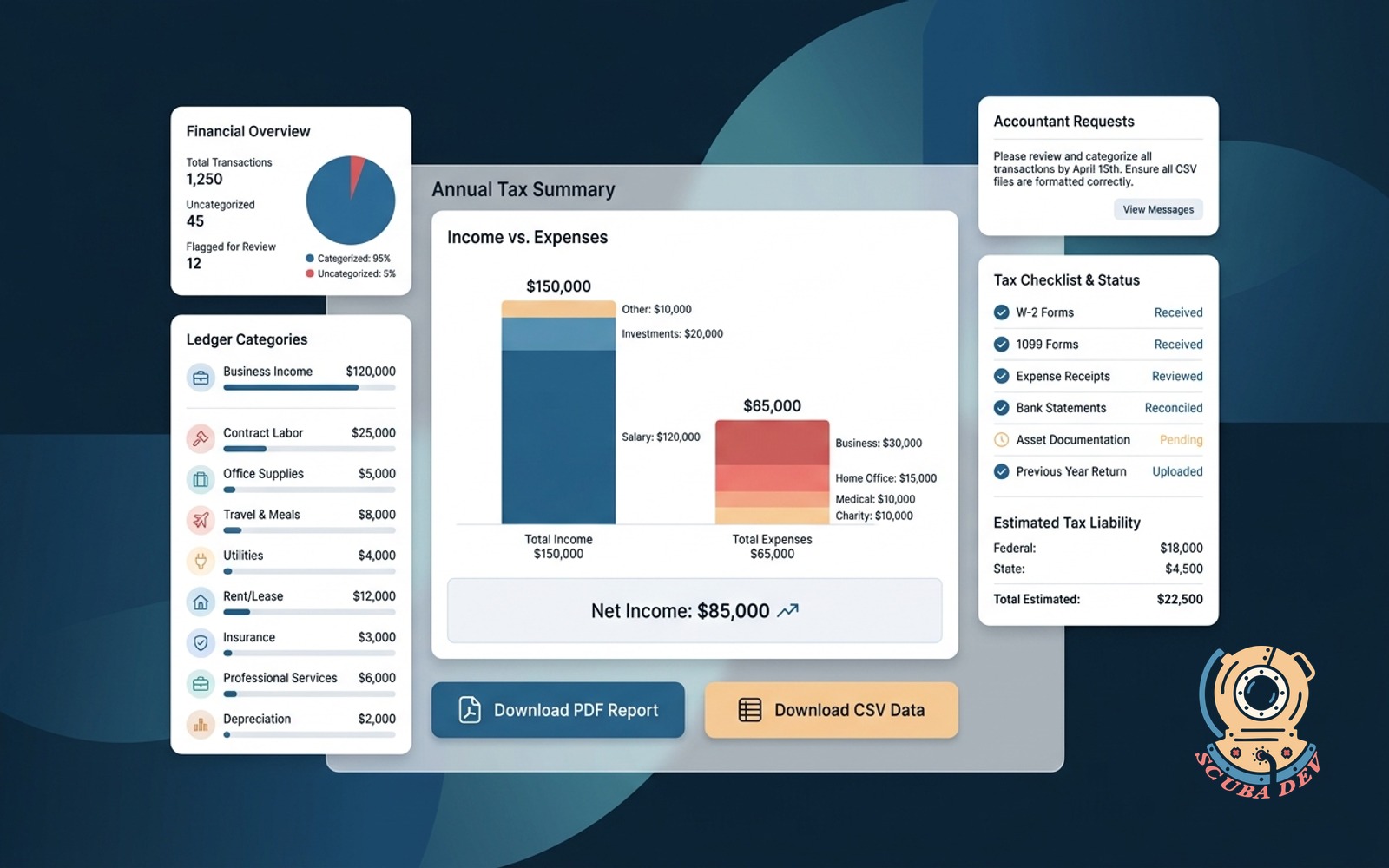 IdeaTax prep summaryEffortStarter, 2 to 5 per monthStackn8n, calendar API, Slack alerts
The tax prep summary pattern turns the year of ledger activity into the categories accountants ask for every April. The calendar keeps timing safe, while the summary makes filing less painful.
-
21 / Anomaly detection in GL activity
Daily GL pulls run through anomaly detection, the model explains each flag, and finance reviews a queue instead of the whole ledger.
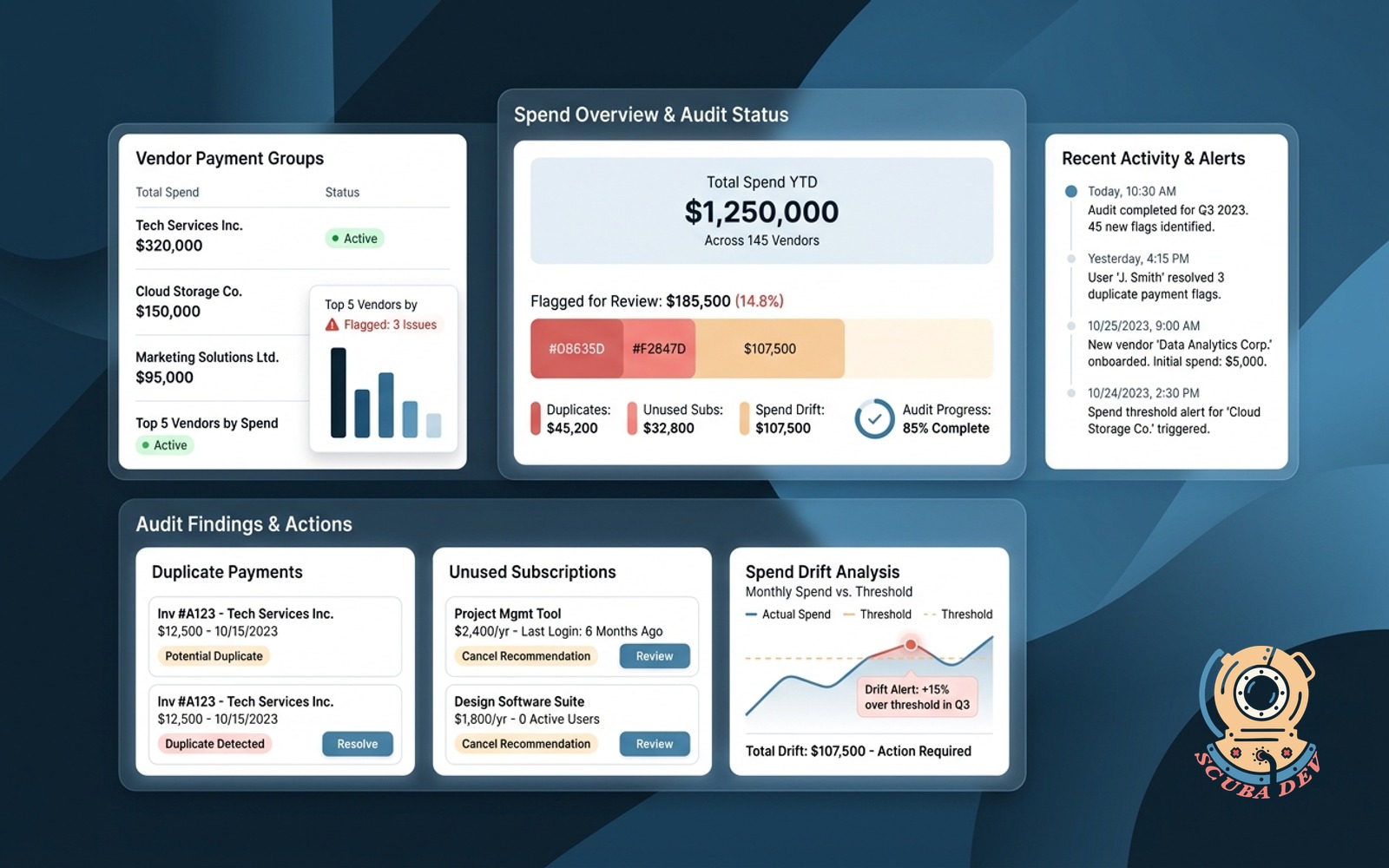 IdeaVendor spend auditEffortStarter, 5 to 10 per monthStackLedger API, n8n, statistical models, Claude
Vendor spend audit is the practical related pattern: group payments, flag duplicates, and surface spend drift before audit season. It gives anomaly detection a finance-native starting point.


04 / Ship first
Which 3 to ship first
If you are building these on a retainer, AP invoice capture pays back fastest, the close checklist gives the team the most relief, and budget variance reporting gives leadership a faster signal on the shape of the month.
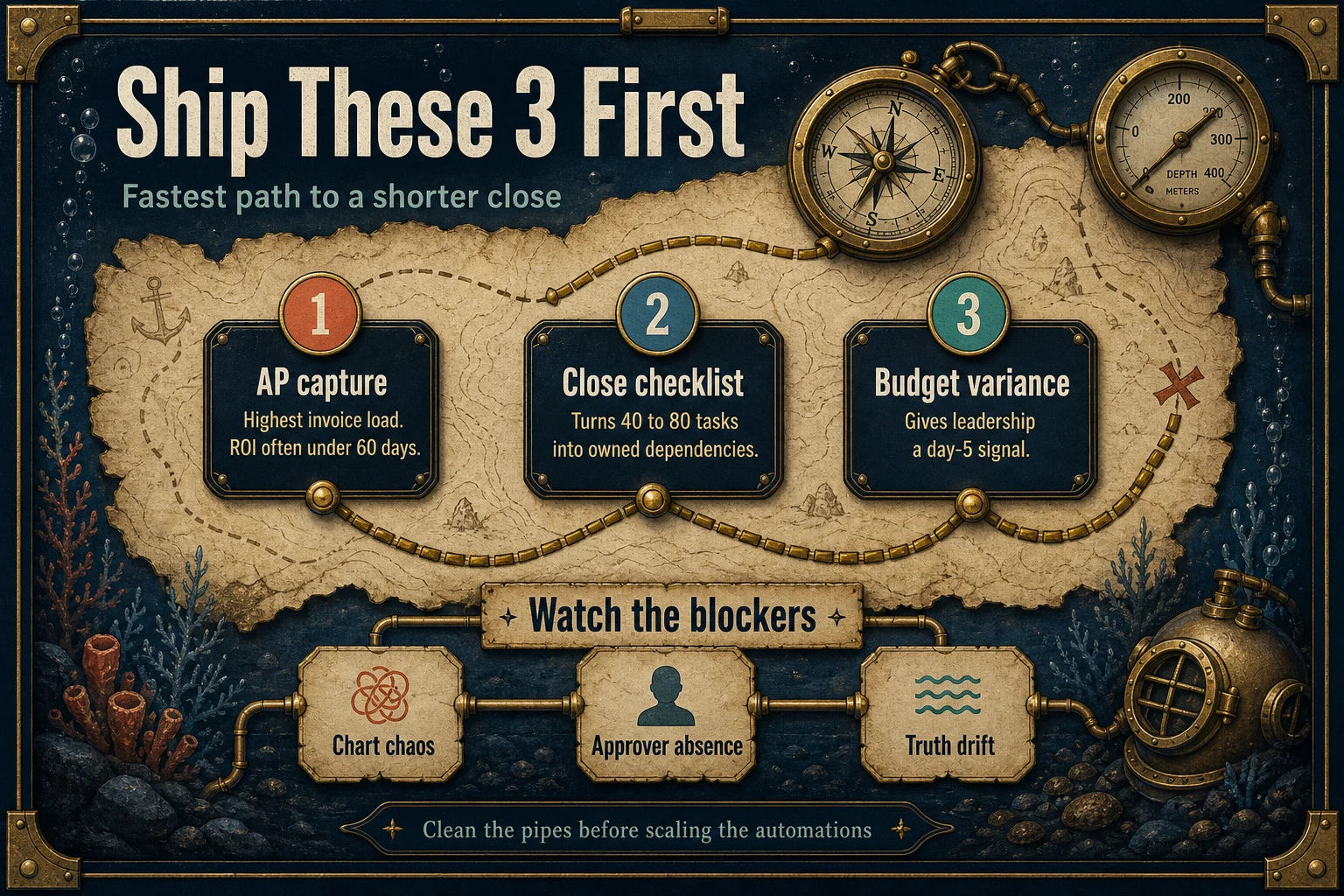
What breaks these workflows
The pattern is not finance magic. Automation exposes the data hygiene and approval gaps that manual work was quietly hiding.
- 01
Chart of accounts chaos
If the GL has 400 accounts nobody owns, automation amplifies the mess. Clean the chart before the pipes go live.
- 02
Approver absenteeism
Workflows stall when a required approver is out and the delegation rule was never designed. Build backup routing into the first version.
- 03
Source-of-truth drift
If the budget lives in three spreadsheets and nobody knows which one is canonical, the variance dashboard will render conflicting numbers.
The stack we run
The tools vary by team size. The design principle does not: keep the ledger as source of truth, hold risky steps for approval, and make exceptions visible before they touch the books.
- 01
Under $5M ARR
QuickBooks Online plus n8n plus Ramp or Brex covers most of the workflow map.
- 02
$5M to $50M ARR
Add a mid-market AP tool like Tipalti, Bill.com, or Stampli and a close tool like FloQast or BlackLine when close complexity starts winning.
- 03
Above $50M ARR
NetSuite or Sage Intacct becomes the operating center, with enterprise AP and stricter approval, audit, and reporting controls.
- 04
Integration economics
Tool cost is rarely the constraint. Integration cost dominates, so reuse patterns, publish workflow JSON where possible, and keep rules outside hard-coded branches.


FAQ
How long does a finance automation engagement take?
Typical scope for the top 5 workflows is 6 to 10 weeks on a retainer. The remaining workflows roll out over the following 2 to 3 months once the data pipes are stable.
What is the ROI time frame for finance automation?
Most workflows pay back in under 90 days based on hours saved times loaded cost. AP capture and close orchestration usually pay back fastest, while dashboards and alerters prevent larger downstream losses.
Can I build finance automations on Zapier instead of n8n?
The simpler ones, yes. The close orchestrator and AP capture workflow benefit from n8n self-hosting and code-node flexibility. Zapier works fine for expense submission, PO routing, and simple approvals.
Do I need a business process automation consultant, or can my ops team run this?
It depends on data hygiene. If your chart of accounts is clean and source systems have stable APIs, a technical ops person can ship half of these in 90 days. If not, a consultant accelerates the cleanup and saves rebuild debt.
How accurate is AI invoice extraction in 2026?
The draft cites 95 percent plus accuracy on standard invoices from Stampli and 98 percent from ChatFin. Complex invoices with many line items or foreign currency still need a human-in-the-loop queue while the system tunes.
Does this work with a legacy ledger?
Yes, if the ledger has an API or usable export format. Legacy on-prem systems with no API surface usually become a migration-plus-automation sprint rather than pure automation.