




Twenty small-to-medium software builds can become white-labeled SaaS lines for agencies this quarter. Start with the proposal generator, cold-outreach sequence builder, and SOP library because they solve universal client problems and are easy to package.
The Subscription Development Playbook carries the build specs, retainer structure, and margin math. Agencies that partner on one build can turn client demand for software into a recurring product line without becoming a dev shop.
Below the surface
Every agency eventually hears the same client question: can you build the software behind this workflow? The answer can be yes without hiring a full product team. Commission the build, wrap it in the agency brand, and resell it as a recurring line item.
White-label works when the product is narrow, useful every month, easy to support, and priced below the labor or incumbent tool it replaces. This guide sorts the 20 builds by effort, retail range, stack bias, and the agency motion that usually makes the offer sell.



01 / Why white-label works
Three shifts made agency-owned SaaS practical
Subscription development pricing trained buyers to fund ongoing engineering. AI coding tools compressed the right builds from months to weeks. White-label contracts have a settled pattern where the agency owns client pricing and the technology partner owns delivery depth.
| Shift | What changed | Agency implication |
|---|---|---|
| Subscription dev | Flat monthly engineering retainers are now purchasable by mid-market agencies. | The build can be maintained without hiring a permanent dev team. |
| AI build compression | Claude Code, Cursor, and strong repo instructions shorten repeatable product work. | Small products can reach review-ready faster when scope stays narrow. |
| Commercial pattern | Resale rights, support tiers, maintenance slices, and change orders are familiar. | The agency can sell the tool while a partner operates the codebase. |


By the numbers
The white-label shortlist in numbers
Build catalog
20
Software products an agency can rebrand and resell from the source list.
Fastest build
2 weeks
Lowest effort tier for SOP libraries, release notes, and asset trackers.
Retail range
$49-$2,499/mo
Observed client-facing monthly range across the 20 product types.
Margin target
50-80%
Gross-margin window the source draft targets after the line reaches traction.






20 products an agency can sell under its own brand
Each row now follows the approved 15 AI Agents long-form idea pattern: post-specific porthole icon, pulled idea image, source effort, retail range, stack bias, and the original idea link.
01 / Content repurposer from one long video
Upload the podcast or livestream. Get clips for short-form video, a blog post, and a thread. All on brand.
EffortDepth, 3 weeksRetail$99 to $299 per monthStackNext.js, Supabase, FFmpeg worker, Claude
Turns one recorded video or podcast into clips, quotes, social posts, and blog drafts in the client brand voice.
Read the full idea: Content repurposer from one long video →
02 / Incident timeline builder
Drop alerts and messages in, get a clean timeline with actions, owners, and the minute the incident resolved.
EffortStandard, 4 weeksRetail$149 to $499 per monthStackNext.js, Postgres, incident webhooks, Claude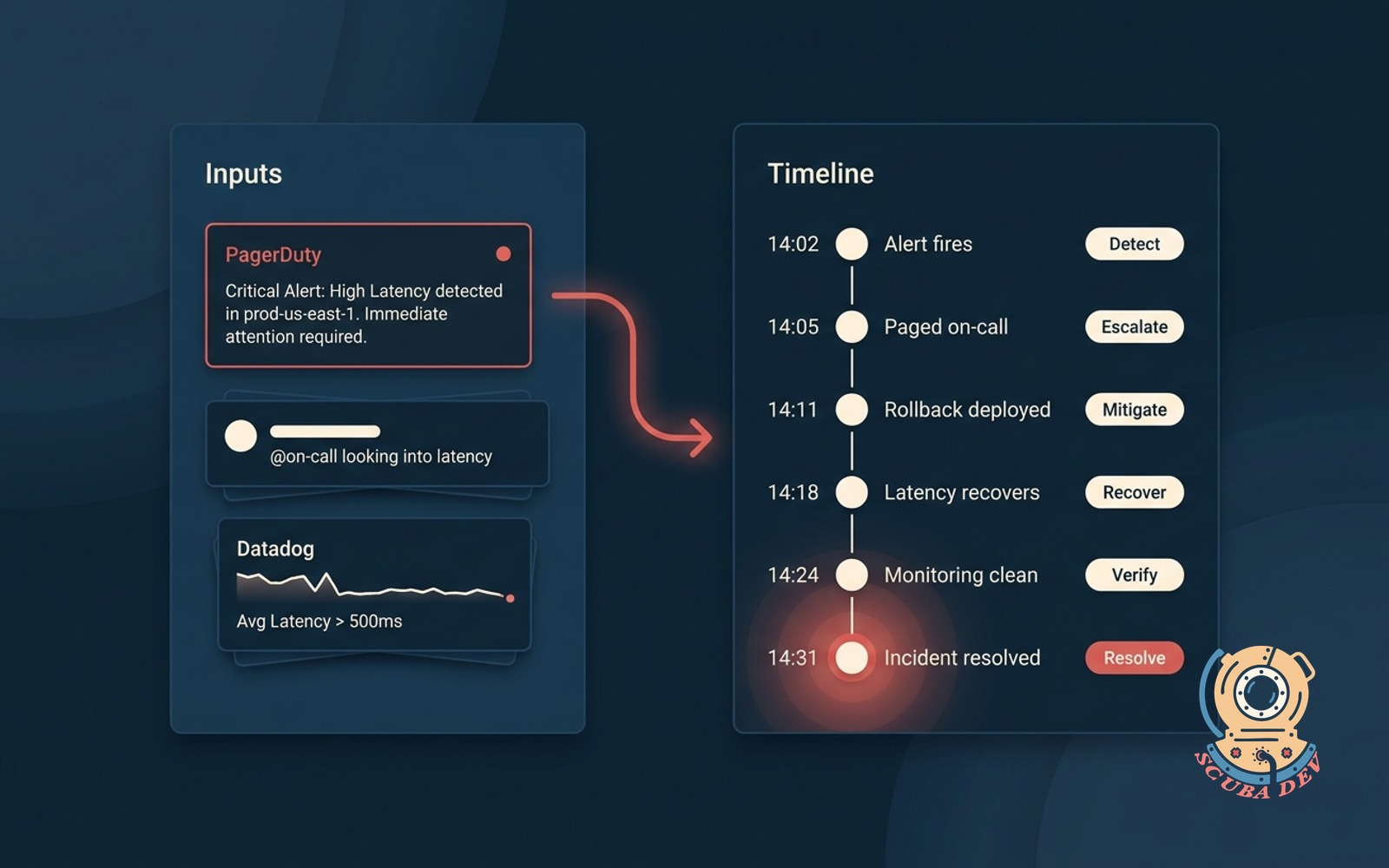
Builds a clean post-mortem timeline from PagerDuty, Slack, GitHub, and scattered incident notes.
03 / Proposal generator tuned to your service menu
Pick the services, pick the client, get a branded proposal with scope, timeline, and pricing in under a minute.
EffortStandard, 5 weeksRetail$199 to $999 per monthStackNext.js, Supabase, react-pdf, Claude Opus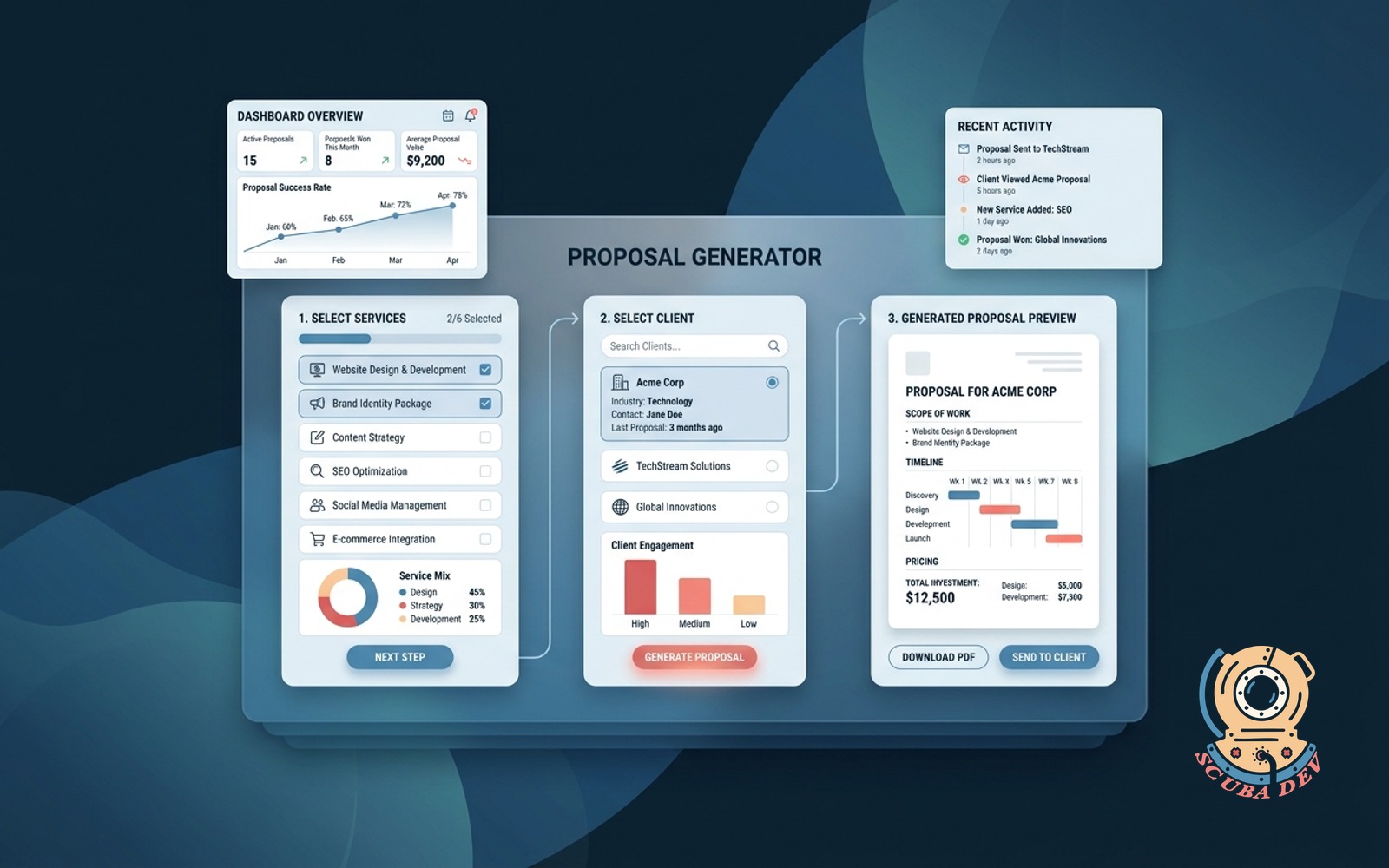
Turns discovery notes into branded proposals with scoped deliverables, pricing, timeline, and PDF output.
Read the full idea: Proposal generator tuned to your service menu →
04 / Process SOP library with embed search
Every SOP indexed with AI search. Employees ask in natural language, get the right step and the owner to ping.
EffortDepth, 2 weeksRetail$79 to $249 per monthStackn8n, Postgres, pgvector, Claude Sonnet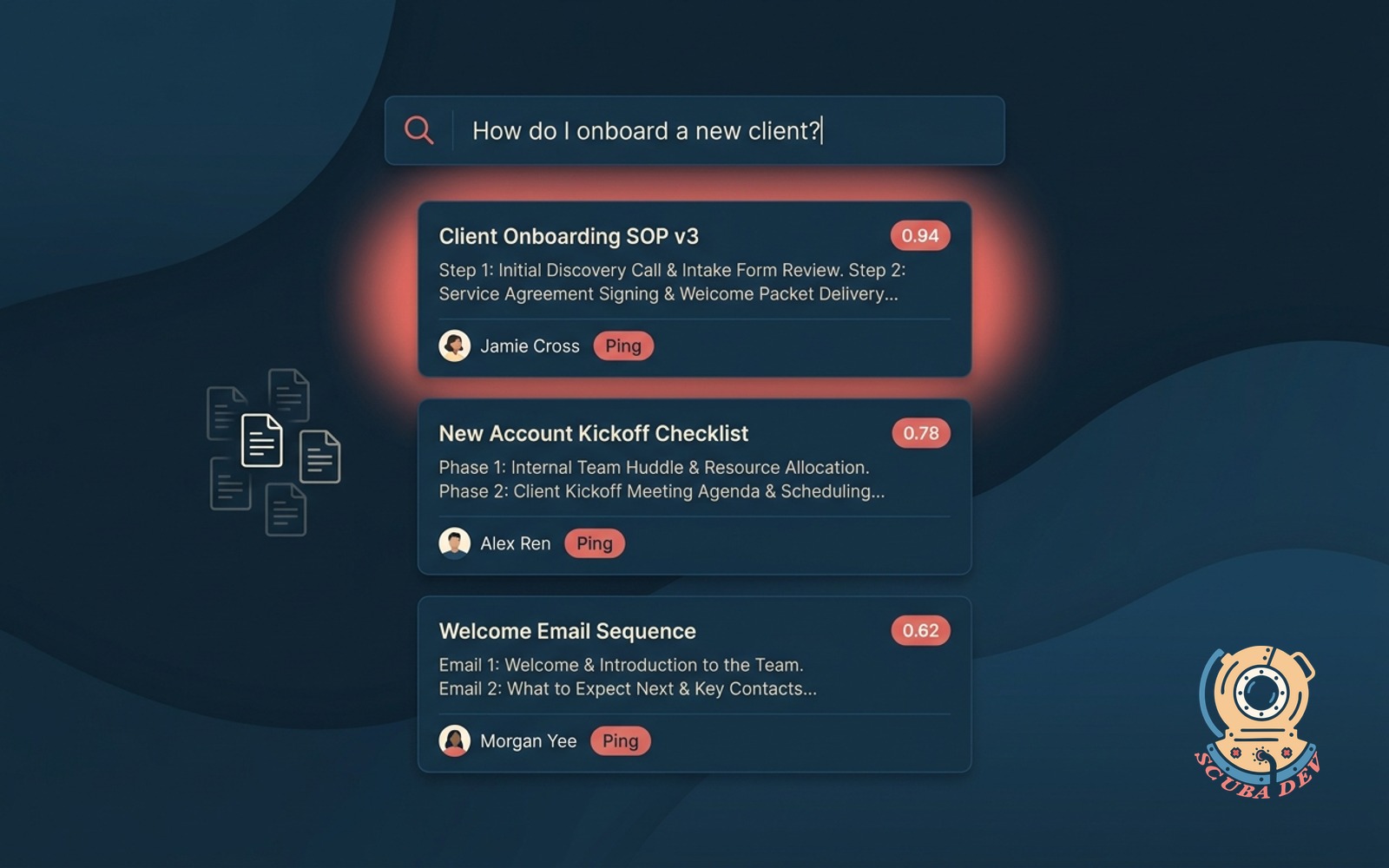
Turns Google Drive SOPs into an embedding-powered library with Slack command access.
05 / Customer feedback clustering tool
Ingests tickets, reviews, and interviews. Clusters into themes with example quotes and volume trend.
EffortStandard, 5 weeksRetail$199 to $599 per monthStackNext.js, Postgres, embeddings, Claude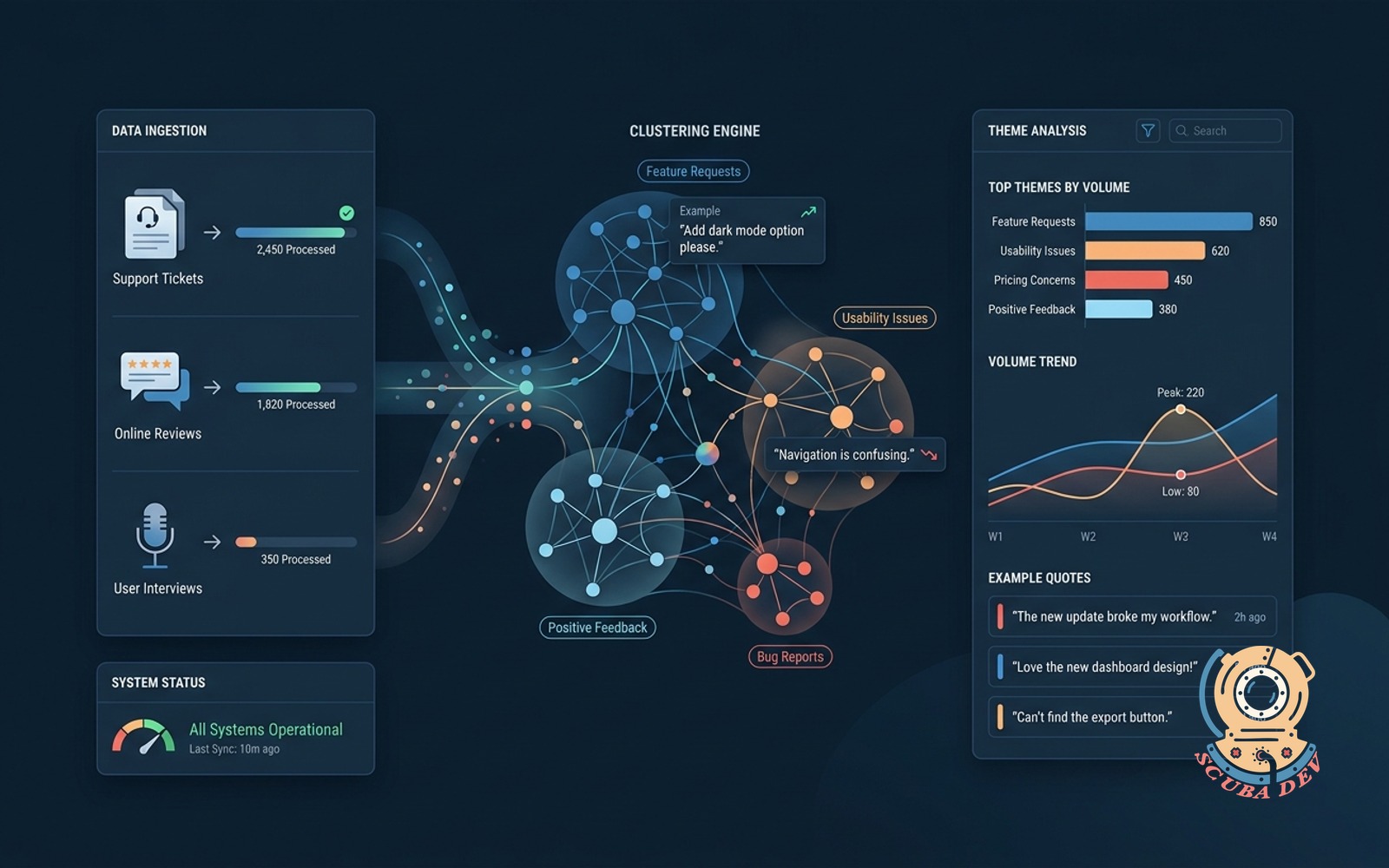
Clusters Intercom, NPS, reviews, and support tickets into source-backed themes by volume and sentiment.
06 / Release notes generator from merged PRs
We connect to your code repository to automatically turn merged pull requests into readable release notes.
EffortDepth, 2 weeksRetail$49 to $199 per monthStackn8n or Next.js, GitHub webhook, Claude Sonnet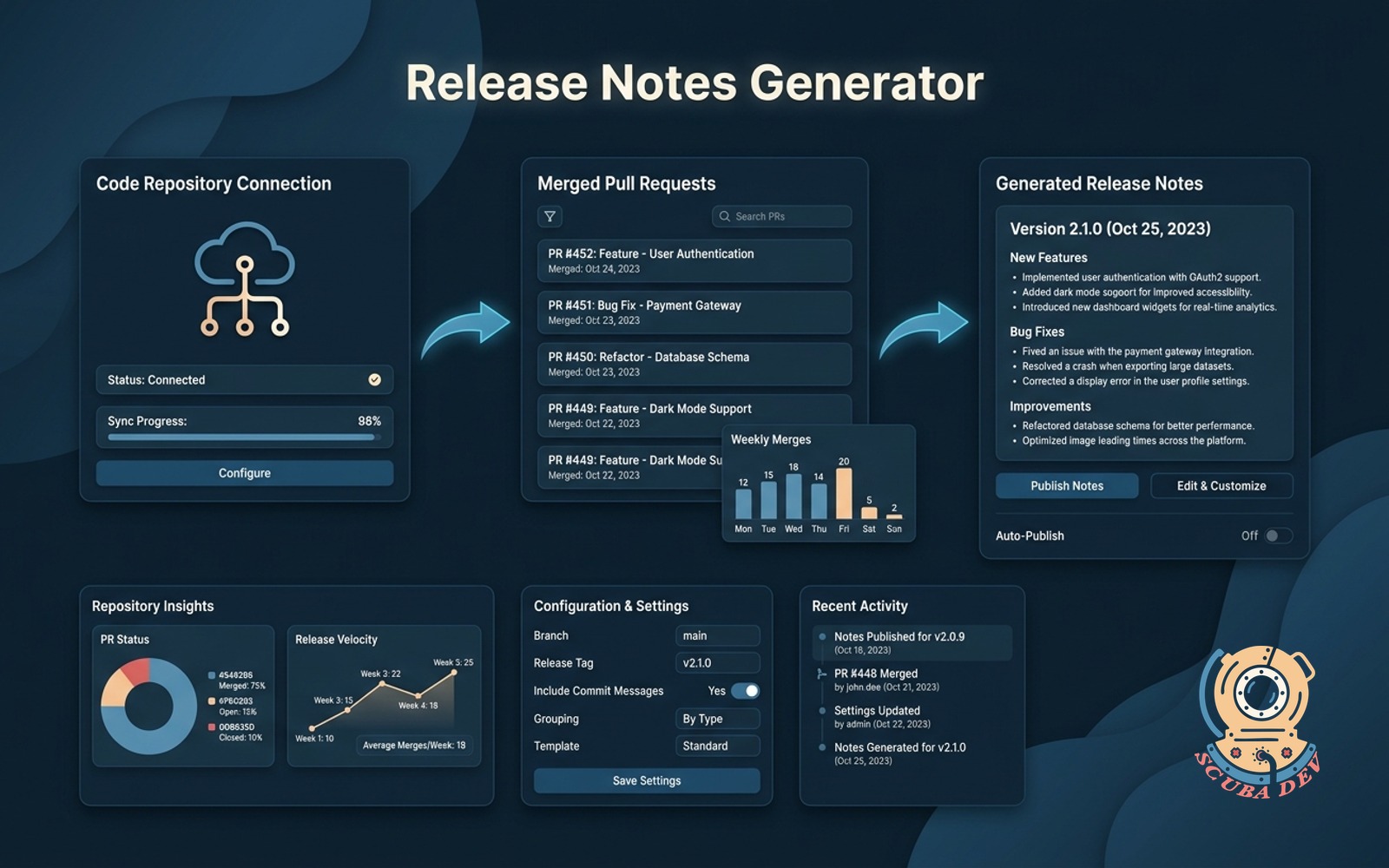
Drafts readable release notes from merged GitHub pull requests and ships them to Slack, email, or a changelog.
Read the full idea: Release notes generator from merged PRs →
07 / Cold-outreach sequence builder
Drafts multi-step sequences from a target list and a positioning statement. Exports to your sending tool.
EffortStandard, 4 weeksRetail$249 to $899 per monthStackNext.js, Supabase, Claude, Apollo or Clay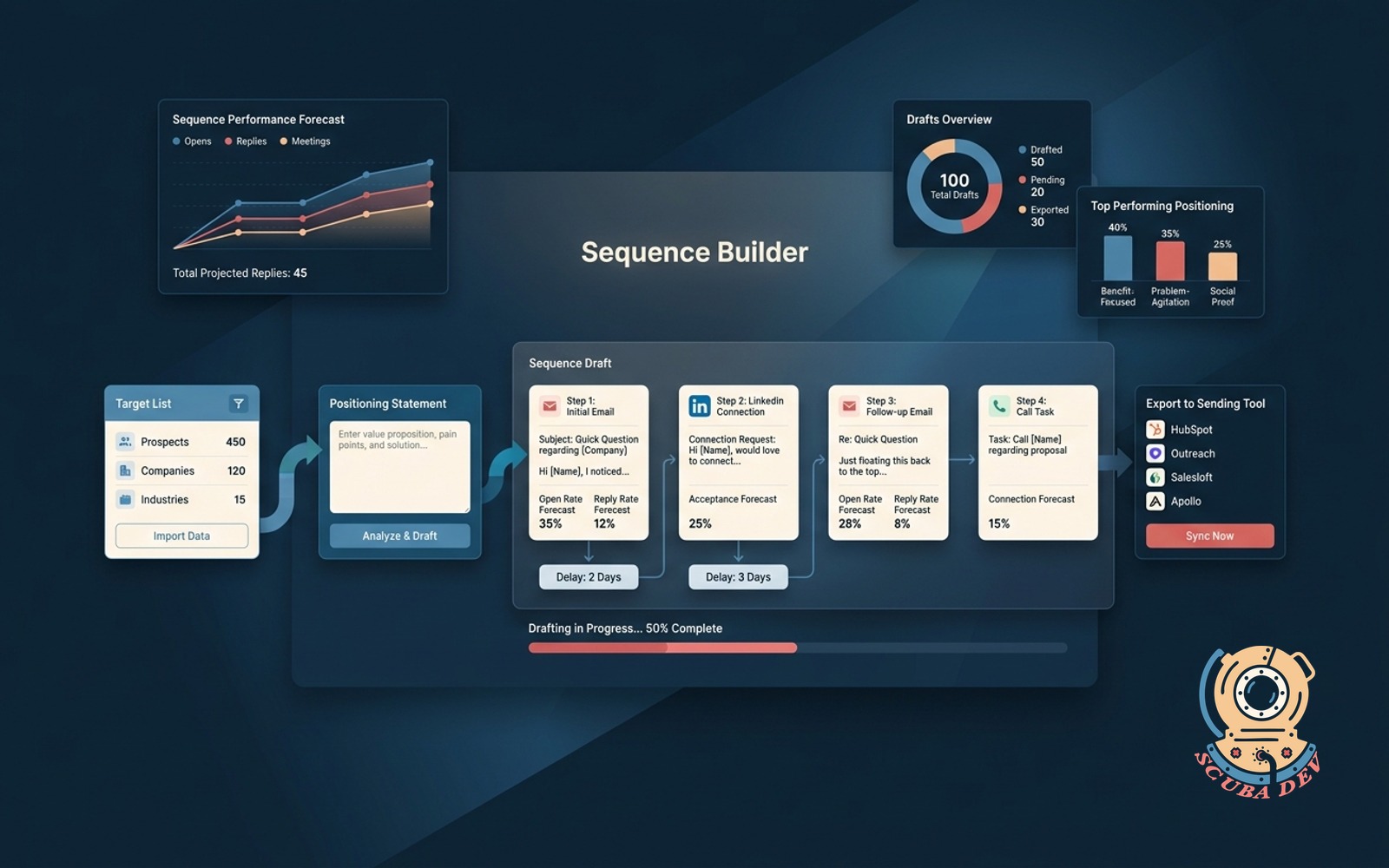
Builds multi-step email and LinkedIn sequences from prospect role, company, and public signals.
08 / UTM audit and cleanup tool
Scans your links and landing pages for broken or inconsistent UTMs. Proposes fixes and rewrites in bulk.
EffortDepth, 3 weeksRetail$99 to $299 per monthStackNext.js, Postgres, GA4, HubSpot, Meta Ads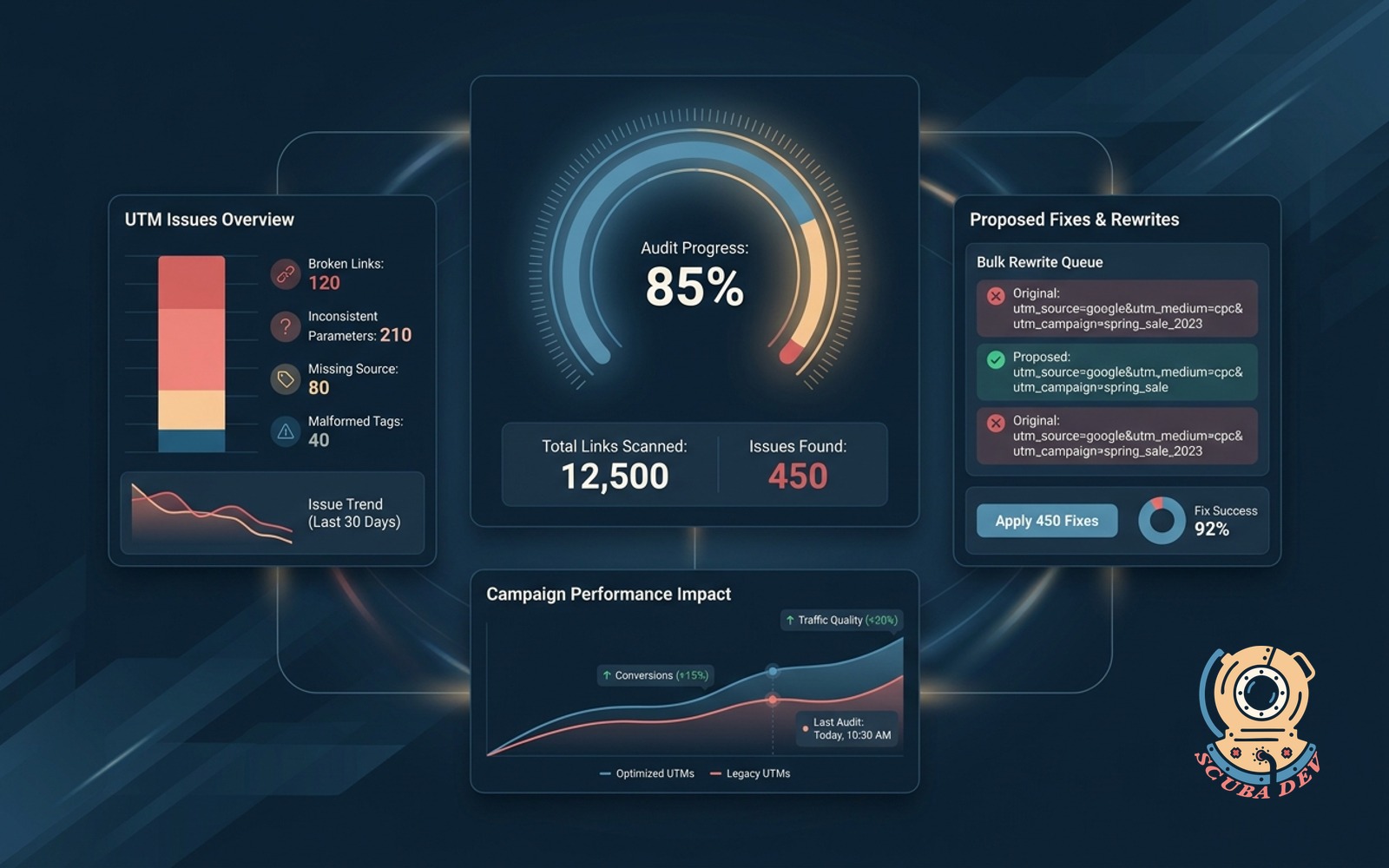
Audits campaign URLs across analytics, CRM, and ad platforms so attribution stops breaking.
09 / Asset and license tracker
Central list of every asset, license, and seat assigned. Reminders before each renewal and when a seat goes idle.
EffortDepth, 2 weeksRetail$79 to $249 per monthStackNext.js, Supabase, optional workspace sync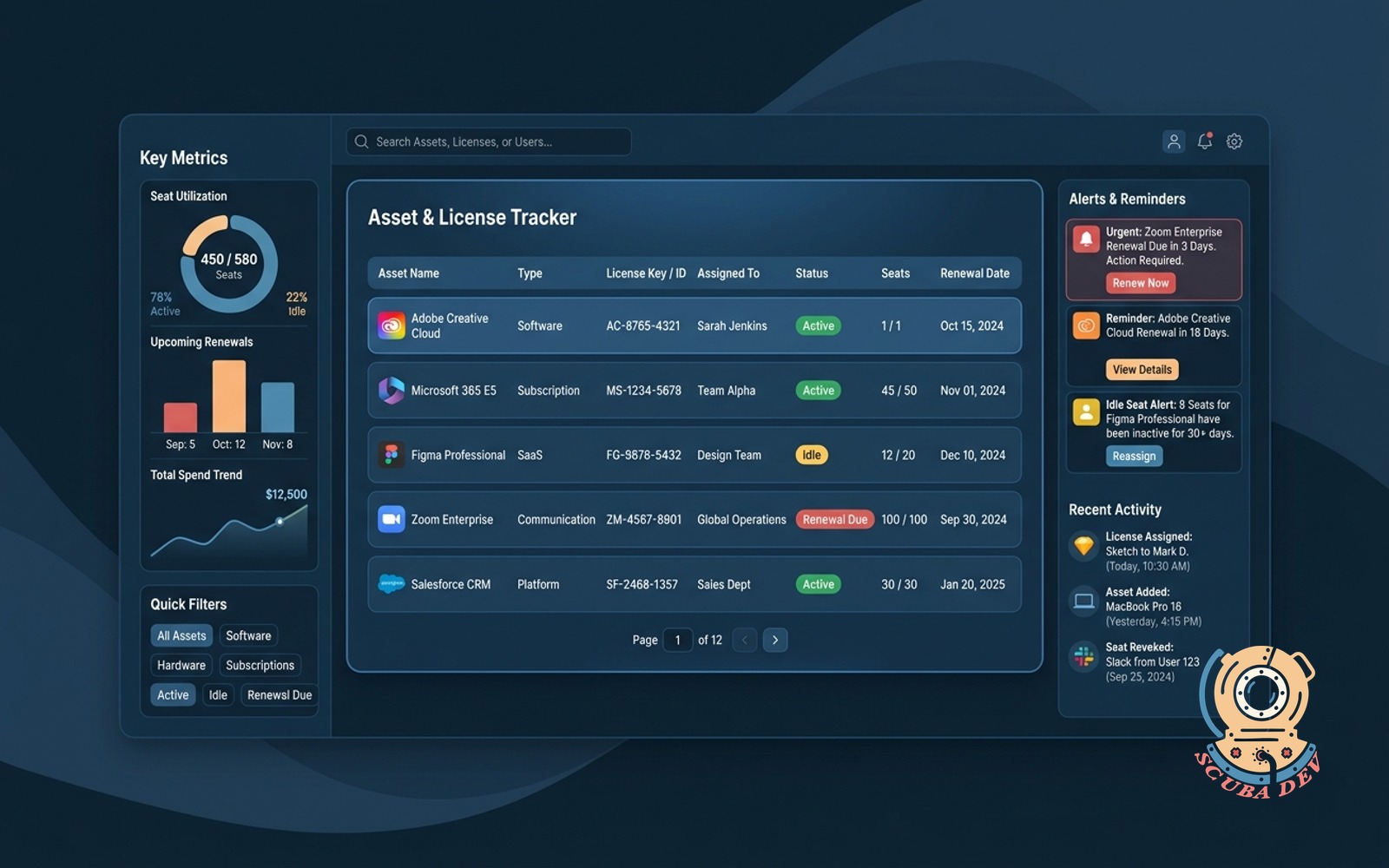
Tracks software licenses, hardware assets, SaaS subscriptions, renewal dates, and owner assignments.
10 / Pricing-change impact simulator
Model a price change across your customer base. Shows projected revenue, churn risk, and the customers to warn first.
EffortDeep end, 10 weeksRetail$499 to $2,499 per monthStackNext.js, Postgres, analytics pipeline, Claude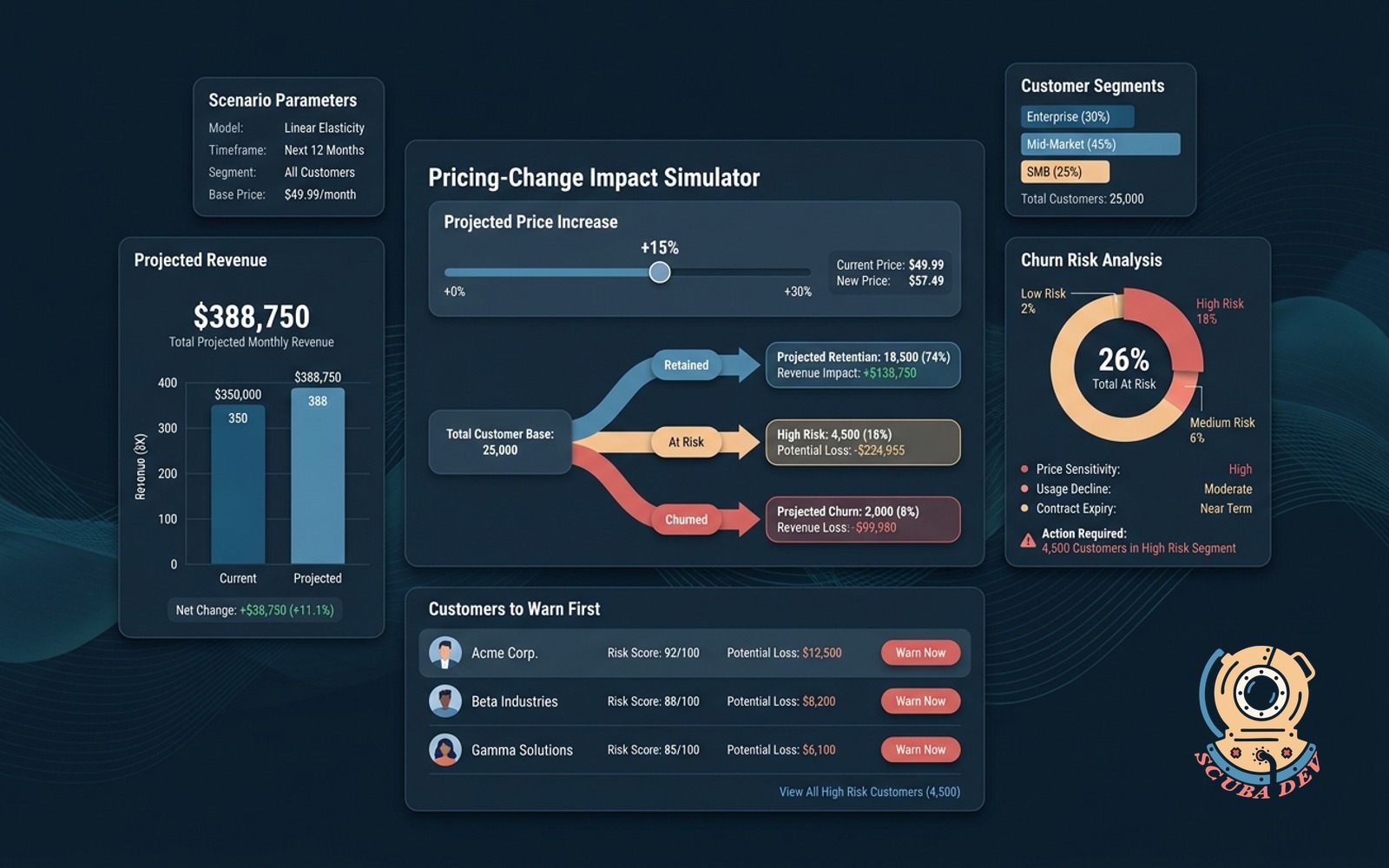
Models revenue, churn, and customer-segment movement before a SaaS pricing change goes live.
11 / First response AI drafter
Every new ticket gets an AI-drafted reply in the agent console. Agent edits or sends, cutting seconds per ticket.
EffortStandard, 4 weeksRetail$149 to $499 per monthStackn8n or Next.js, Claude Sonnet, support desk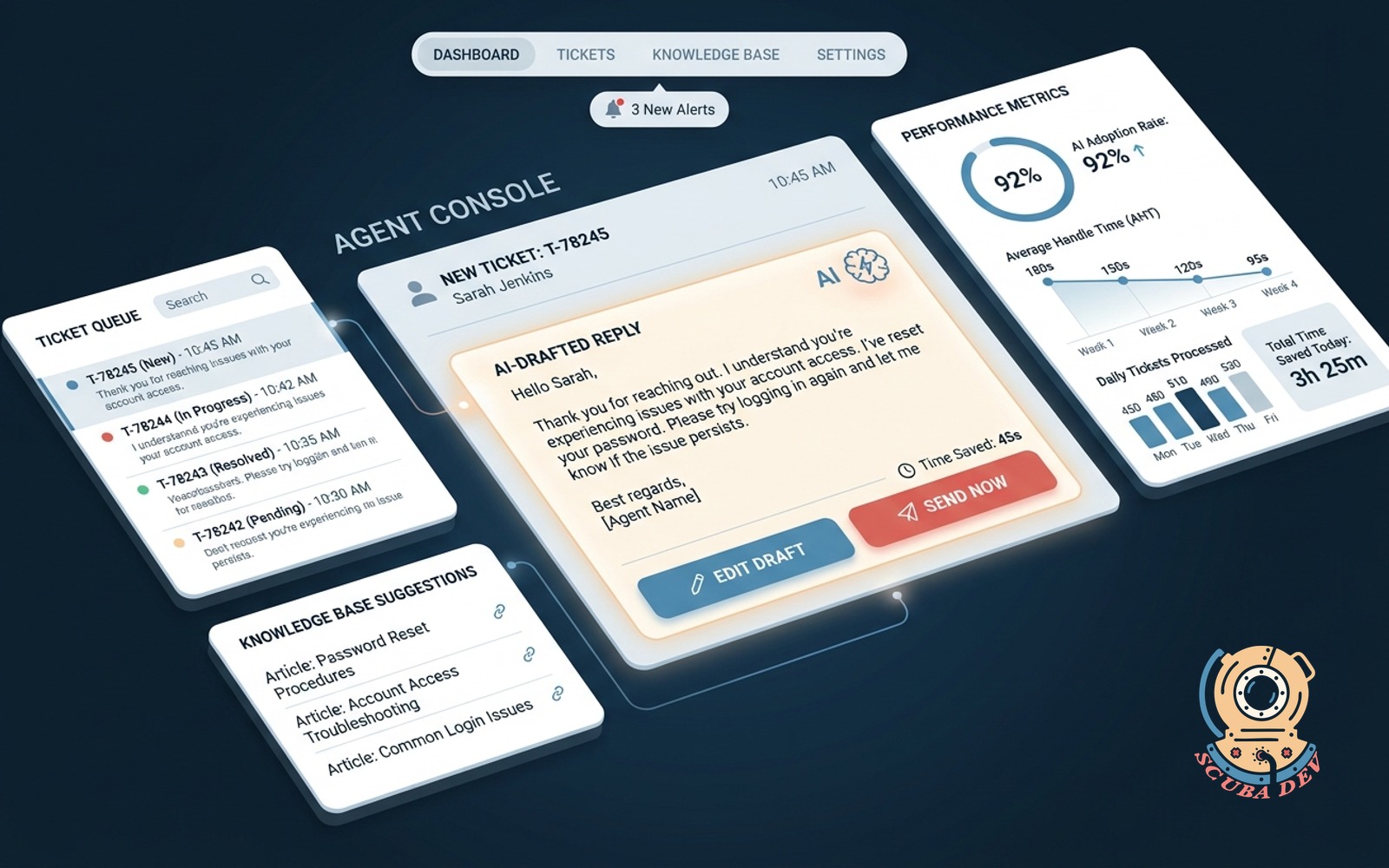
Reads new support tickets, drafts a first response in the client voice, and queues it for approval.
12 / Job description writer with leveling guardrails
Managers answer a short brief. The AI drafts a JD that matches your leveling ladder and compensation bands.
EffortStandard, 4 weeksRetail$99 to $349 per monthStackNext.js, Claude, Postgres rubric table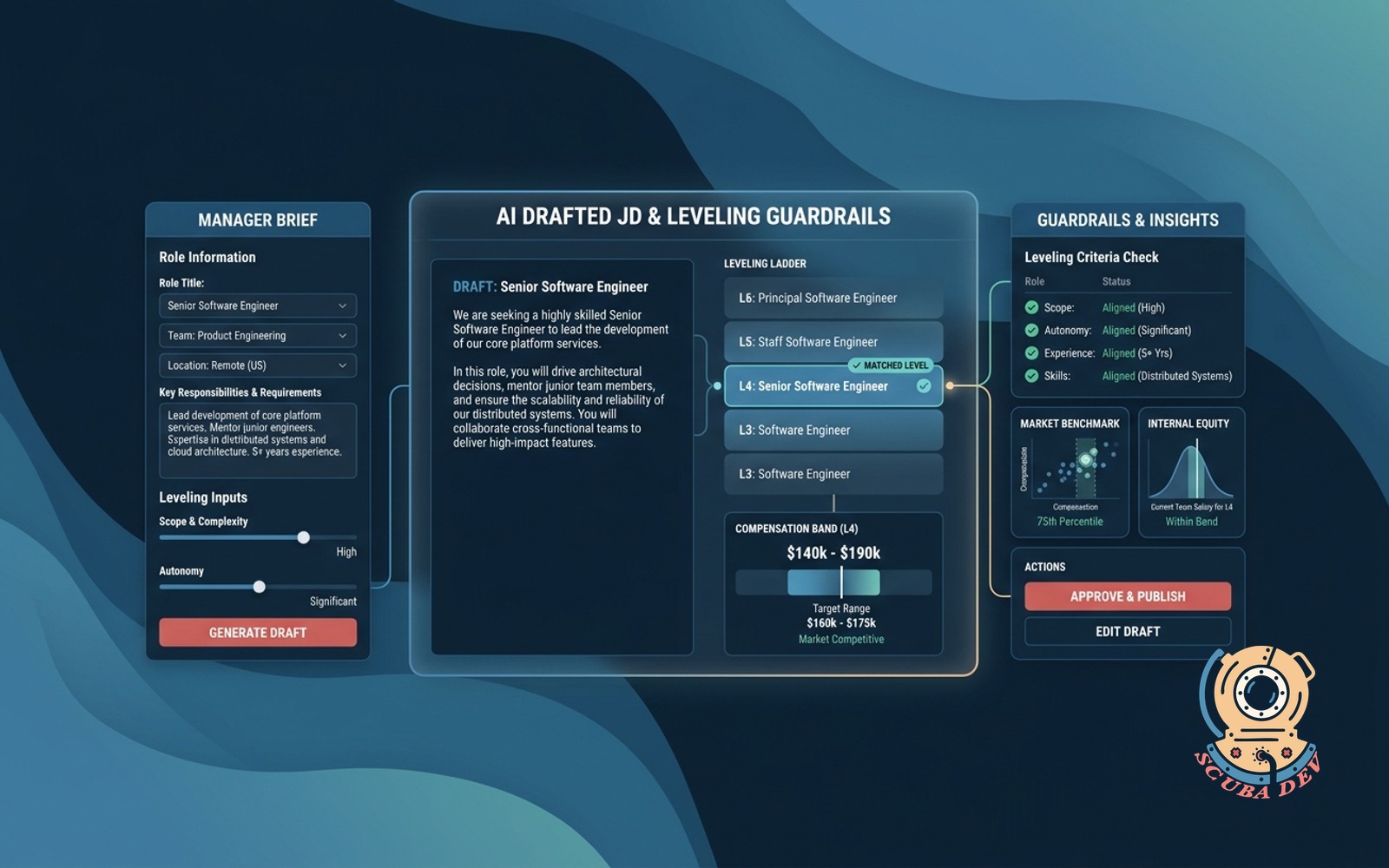
Drafts job descriptions against a role-leveling rubric and flags mismatches before the role ships.
Read the full idea: Job description writer with leveling guardrails →
13 / Performance review prep assistant
Pulls goals, peer feedback, and recent wins into a first draft the manager edits.
EffortStandard, 6 weeksRetail$149 to $499 per monthStackNext.js, Supabase, Jira, GitHub, Claude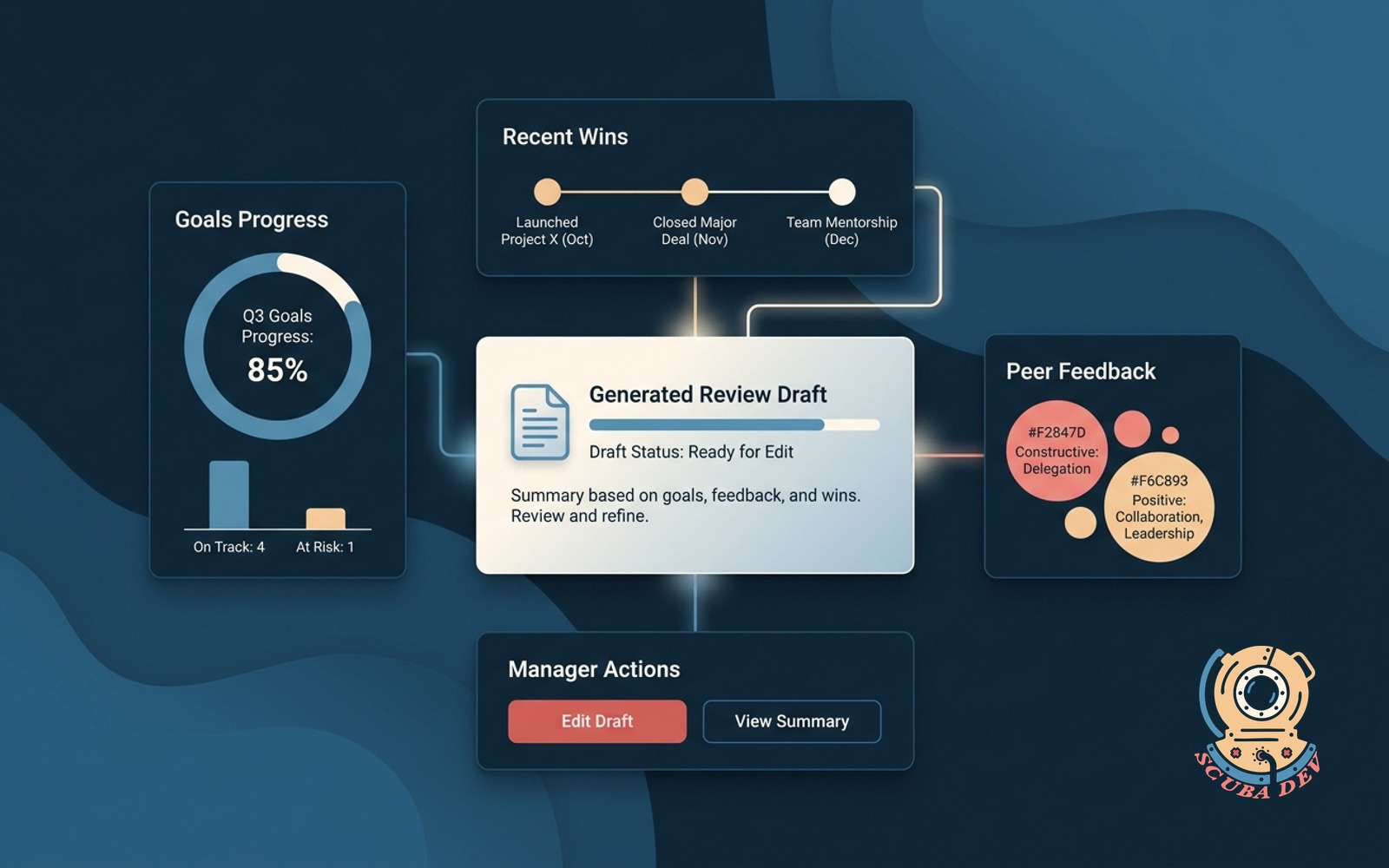
Pulls Jira, GitHub, one-to-one notes, and peer feedback into a manager-ready review template.
14 / Beta cohort manager
Runs feature flags, invites, and feedback for a beta group. Knows who is active and who dropped off.
EffortStandard, 5 weeksRetail$199 to $599 per monthStackNext.js, Supabase, email, Typeform or custom forms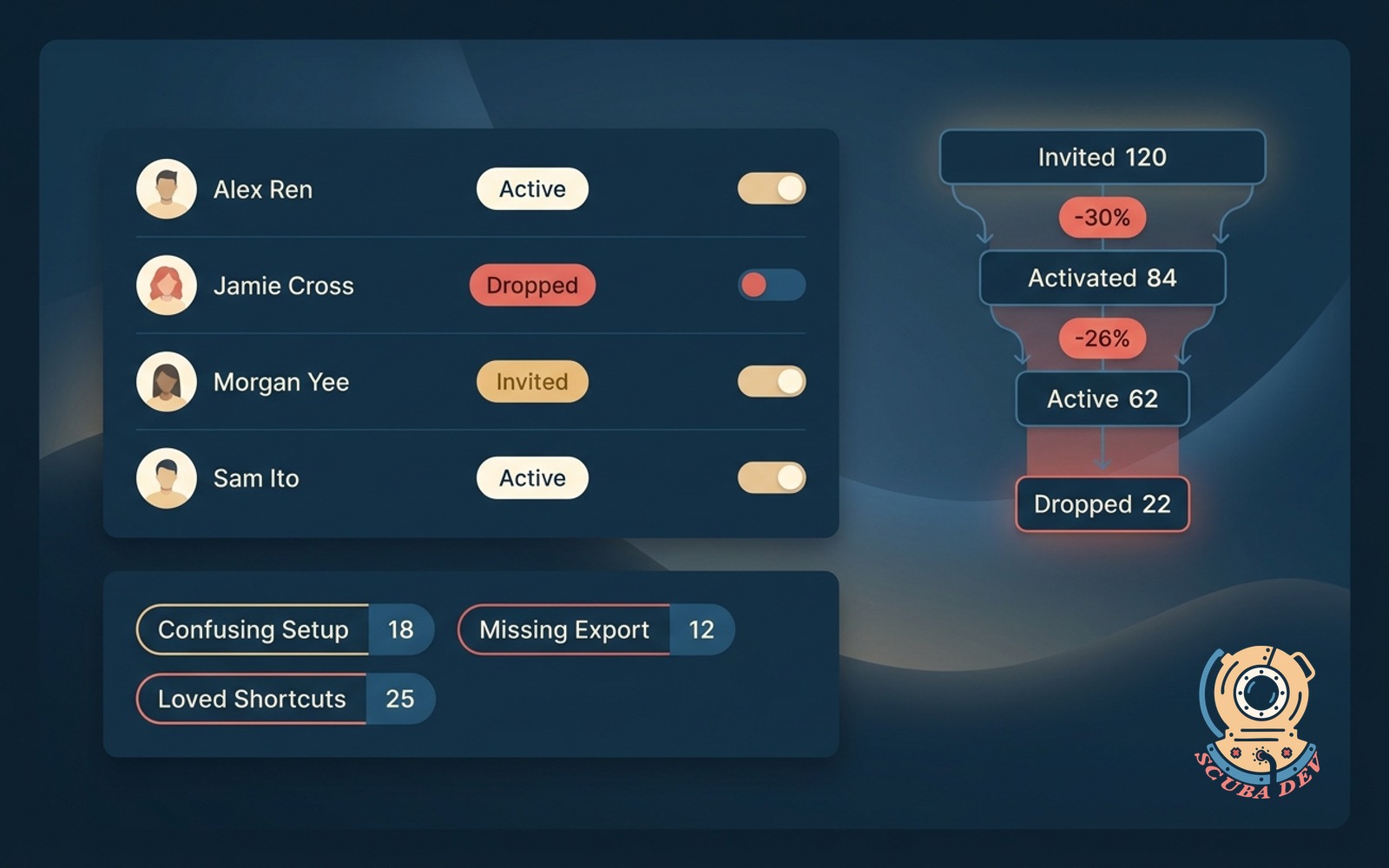
Enrolls, segments, and tracks beta participants across onboarding, feedback, and graduation.
15 / In-app survey with event triggers
Fires a short survey when a user hits a milestone or rage-clicks. Results land in a dashboard with segments.
EffortStandard, 4 weeksRetail$149 to $399 per monthStackNext.js widget, Segment or direct events, Supabase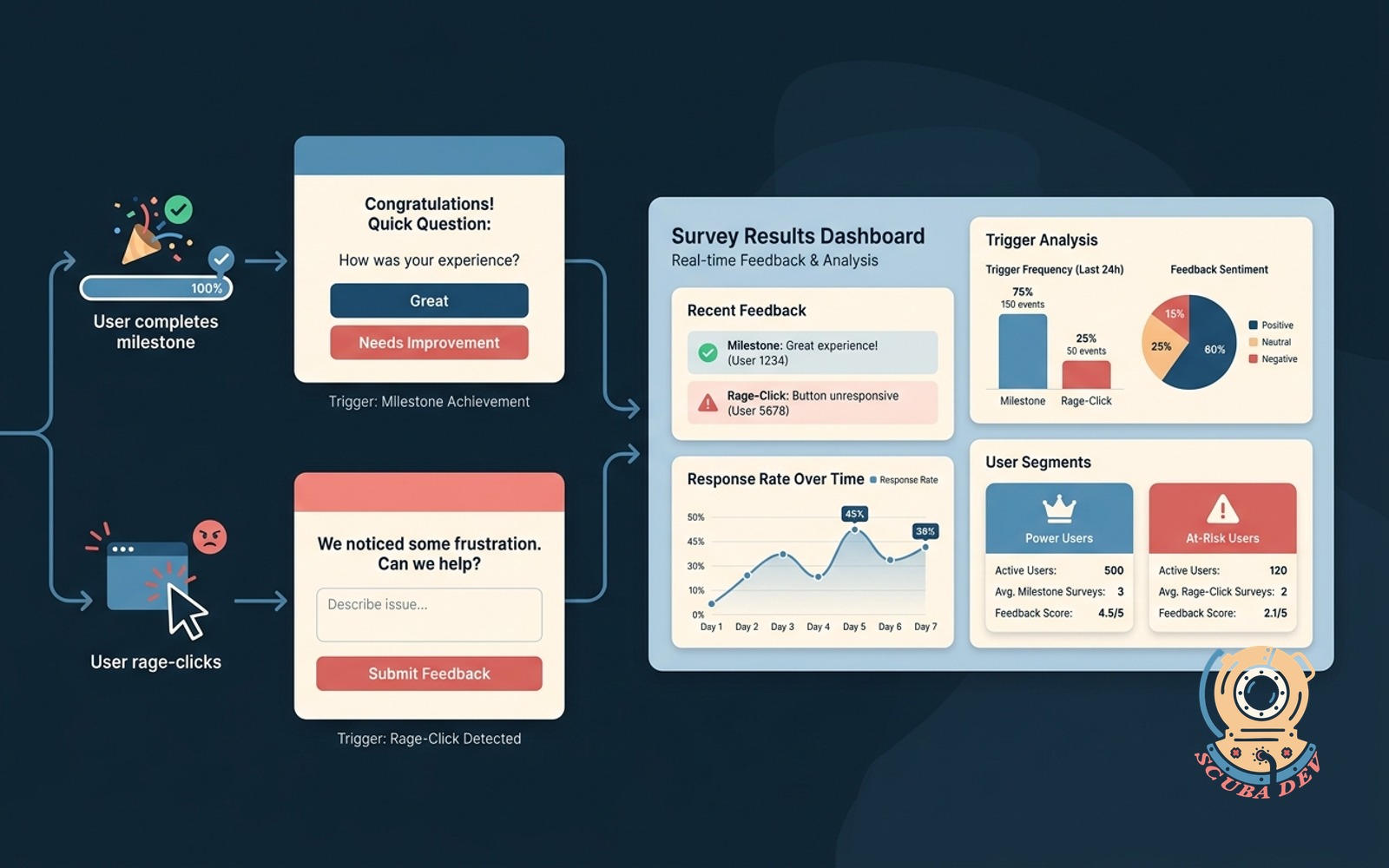
Fires short surveys from product events and routes feedback to the team that can act on it.
16 / Experiment results reader
Upload a test result, get a plain-language read on the lift, confidence, and recommended next step.
EffortStandard, 5 weeksRetail$249 to $699 per monthStackNext.js, experiment tool integration, Claude Opus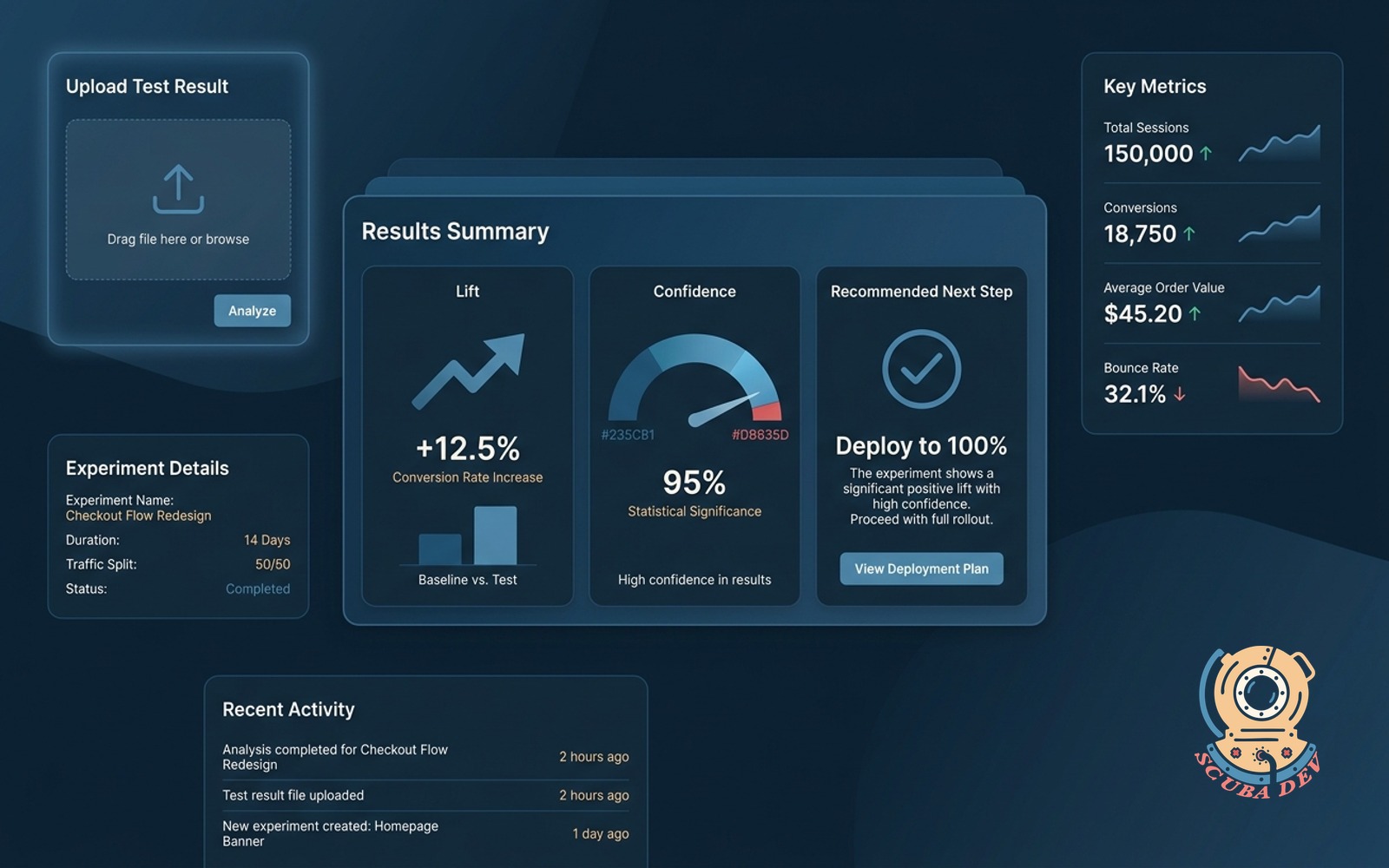
Turns A/B test output into a plain-English summary of what happened and what to try next.
17 / Product analytics event auditor
Crawls your analytics events and flags naming drift, missing properties, and orphans before they pollute reports.
EffortStandard, 5 weeksRetail$299 to $899 per monthStackNext.js, Amplitude, Mixpanel, or PostHog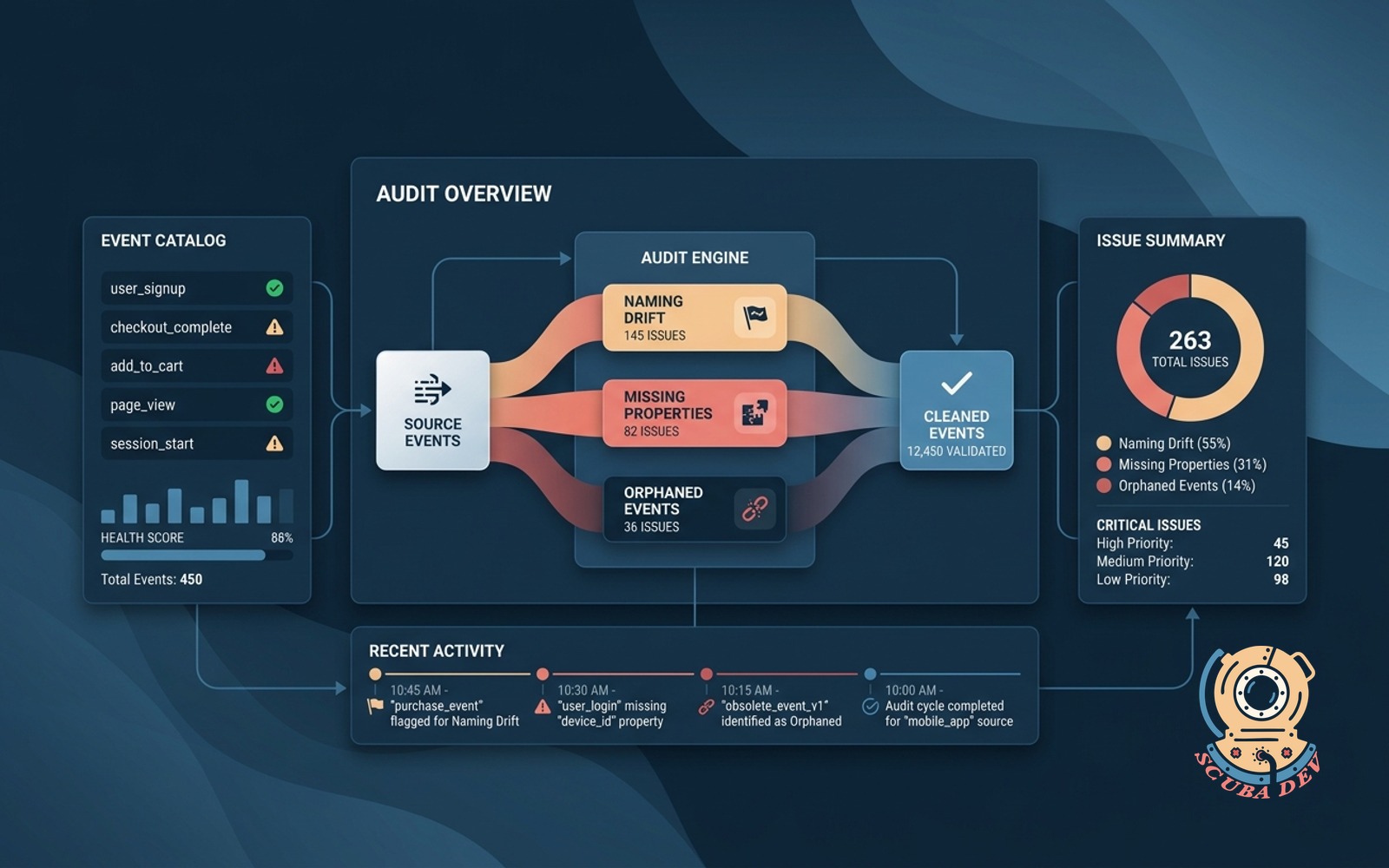
Compares analytics events against a clean spec, flags missing or misnamed events, and drafts fixes.
18 / Pre-qualification finance funnel
Multi-step funnel with income or credit estimate that hands the prospect a pre-qualified range and routes to a licensed rep.
EffortDeep end, 8 weeksRetail$299 to $1,499 per monthStackNext.js, Supabase, PDF generation, CRM or lender APIs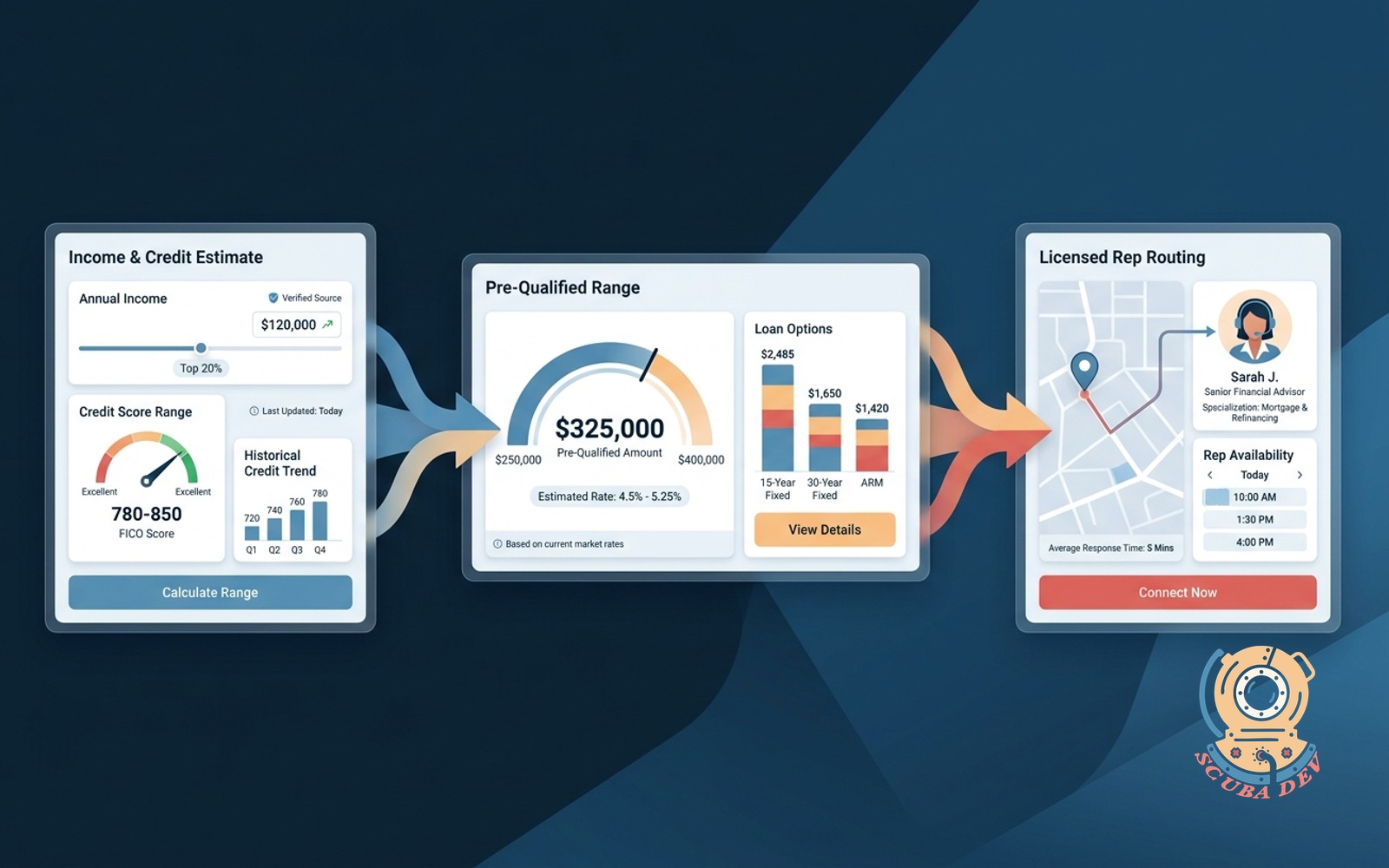
Walks prospects through a finance questionnaire, generates a pre-qualification letter, and routes the lead.
19 / Comparison directory builder
Directory tool that lets visitors compare vetted options side by side and pick one. The selected provider receives the lead submission.
EffortDeep end, 12 weeksRetail$499 to $1,999 per monthStackNext.js, Supabase, CMS layer, SEO pipeline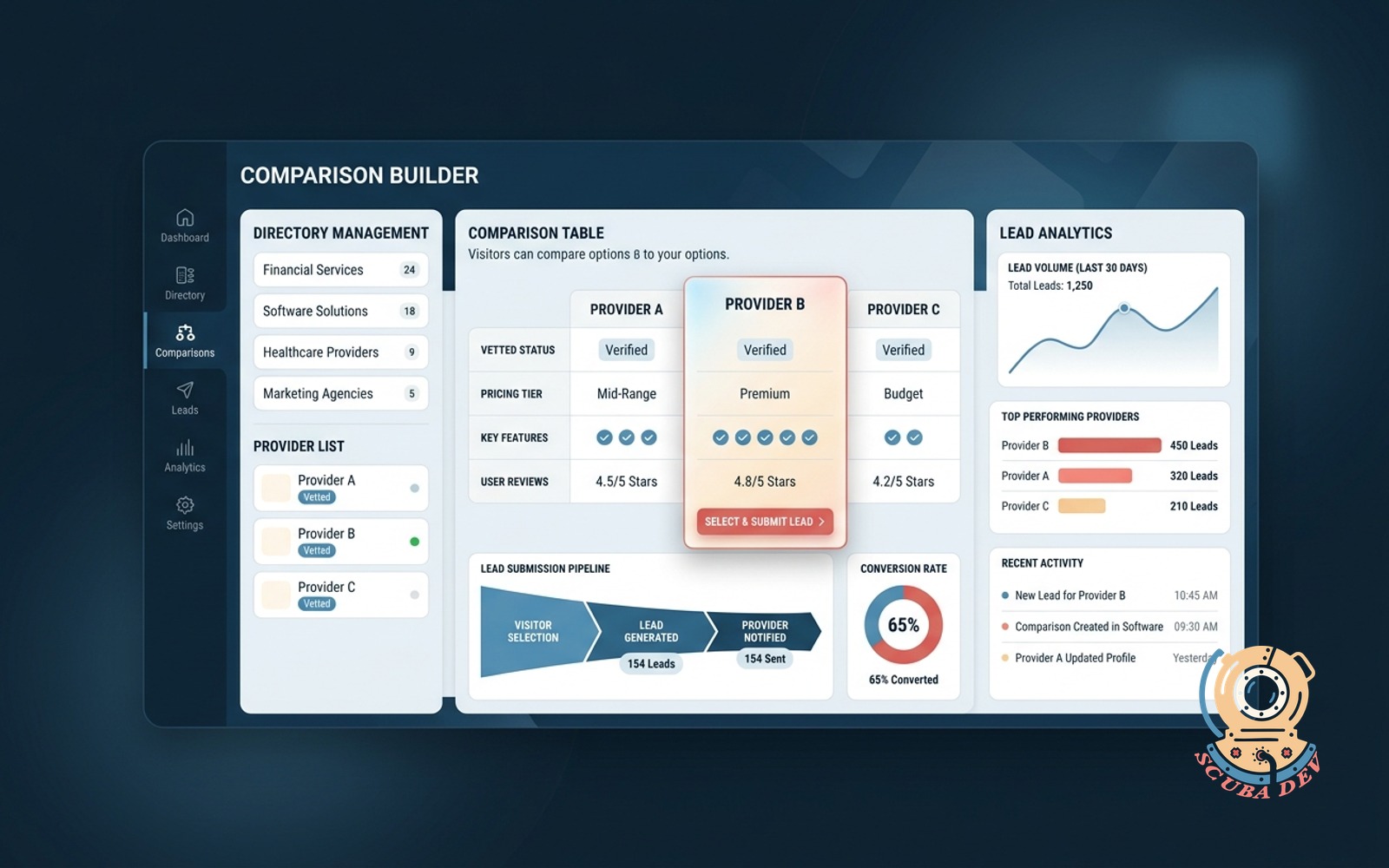
Launches a niche comparison site with programmatic pages, review collection, and sponsored slots.
20 / Programmatic local landing funnels
Hundreds of service-in-city pages each with unique form capture and click-to-call, routing leads by geo to the nearest branch.
EffortDeep end, 8 weeksRetail$499 to $2,499 per monthStackNext.js, Supabase, content pipeline, Claude Sonnet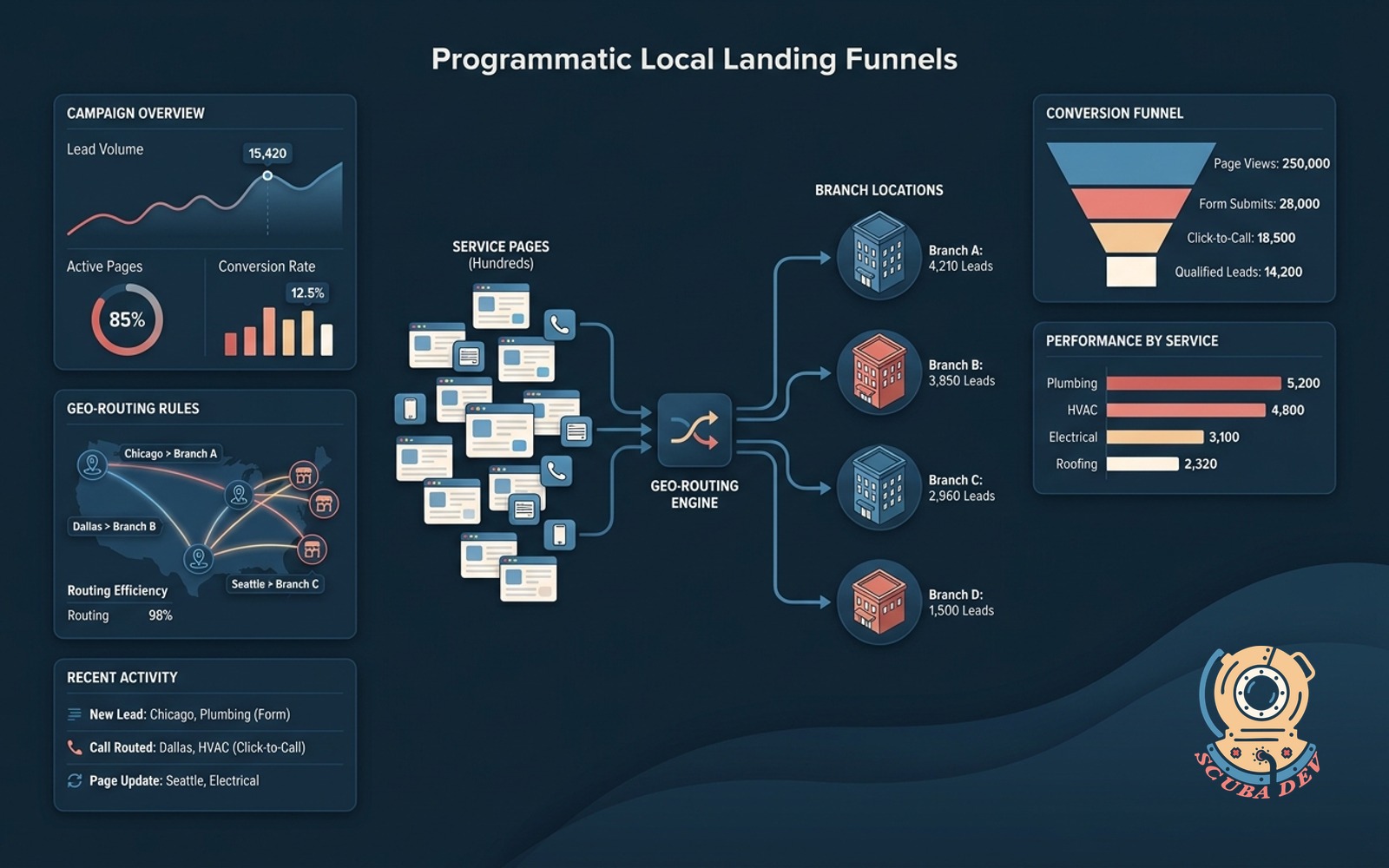
Generates city-plus-service landing pages with localized copy, reviews, and schema markup.
















The safest starter bundle
If the agency has no existing software product, these three prove the pattern before the team commits to deeper builds.
- 01
Proposal generator tuned to the service menu
Universal client need, easy to rebrand, fast to sell, and the ROI is visible whenever a team sends recurring proposals.
- 02
Cold-outreach sequence builder
A sales-ops problem every B2B client recognizes, with an expensive incumbent category that leaves room for a focused mid-market tool.
- 03
Process SOP library with embed search
The cheapest build on the list, a universal ops need, and a clean way to prove subscription maintenance before the fourth product.
05 / Margin math
How one white-label line turns into recurring agency margin
The source example sells a proposal generator at $399 per client per month. At 25 clients, the line produces $9,975 in monthly recurring revenue before the maintenance slice and amortized build fee.
| Line item | Monthly amount | Field note |
|---|---|---|
| 25 clients at $399 | $9,975 | Recurring revenue for one branded product line. |
| Maintenance slice | -$1,500 | Hosting, support escalation, and feature work coverage. |
| Amortized build fee | -$2,200 | Illustrative $40K build amortized across 18 months. |
| Agency gross margin | $6,275 | Margin expands sharply once the same build reaches 50 clients. |
Four failure modes to price before launch
White-label margin is fragile when scope, support, ownership, or maintenance terms are vague. These are the four fixes to write into the deal before the first client signs.
- 01
Feature requests that destroy margin
Every client-specific workflow needs a written change order before work starts.
- 02
Support load that eats the agency
Tier 1 stays with the agency. Tier 2 escalates to the dev partner on a pre-paid bucket.
- 03
IP terms that surprise a buyer
The reseller gets brand rights and market terms, while underlying IP stays clear in the MSA.
- 04
A maintenance partner walks away
A maintenance SLA with a 90-day transition clause protects the agency from being stranded.


FAQ
Can we resell under our brand exclusively?
Yes. The standard white-label arrangement gives the reseller brand exclusivity in their market vertical or geographic zone, with non-overlap terms handled in the MSA.
Who owns the customer relationship?
The reseller. Bills, support, onboarding, renewals, and account ownership all flow through the agency.
Do we need a dev team in-house?
No, but you need a maintenance retainer with a dev team for bug fixes, security patches, and roadmap support.
How should we price white-labeled software?
Start at the floor of what the market bears minus your margin target. For many agency resellers, that lands around 3 to 5x cost of goods.
What minimum scale justifies a custom build?
Usually 10 paying clients at the target retail price. Below that, amortization is hard unless the agency already has signed demand.
Can we bundle multiple builds?
Yes. The strongest margin usually appears when 3 to 5 small products become one branded bundle priced between $999 and $2,499 per month per client.