




Most AI SDR content is demo code and a Calendly link. This guide is the practical version: fifteen narrow sales agents that qualify, enrich, route, recover, research, schedule, and prepare handoffs without pretending to close deals alone.
Start with the inbound qualifier and ICP enrichment if you have at least 50 inbound leads per month. Add routing when the team has enough reps for assignment quality to matter. Keep humans in the loop on outbound, proposals, deal review, and anything that can damage trust.
The right sales agent pays back through faster speed-to-lead, cleaner CRM data, fewer wasted discovery calls, better prep, or recovered pipeline. The wrong one creates junk meetings and invisible reputation debt.
Below the surface
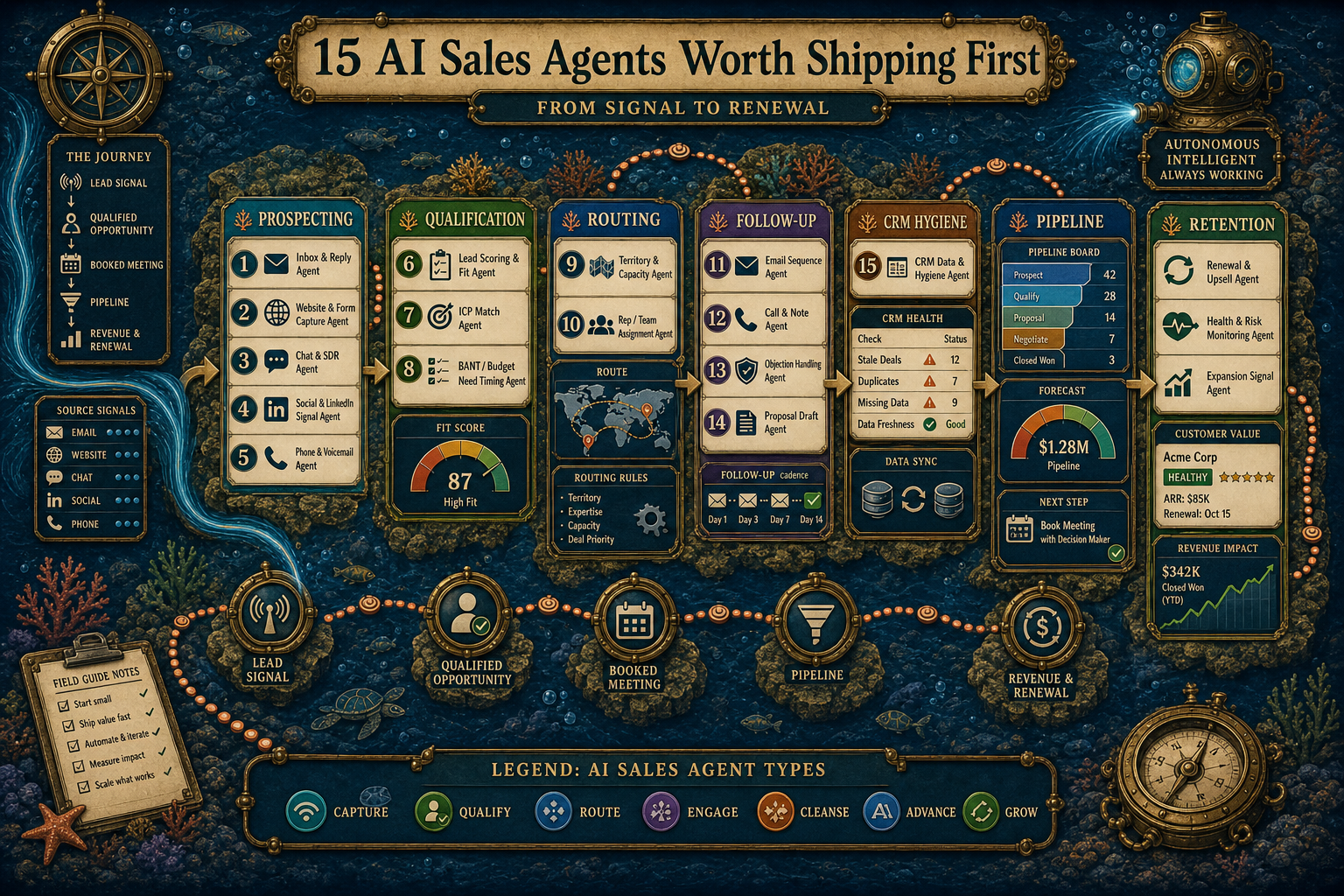
Most AI sales agents should not try to be a whole sales team. The useful ones do one job, touch one system boundary, and hand off cleanly to a human rep. Use this map to find the leak in your funnel, then ship the smallest agent that fixes that leak.


By the numbers
The fifteen sales-agent map at a glance
-
Agents in this guide
15
Narrow sales-agent patterns with clear handoffs and measurable funnel impact.
-
Agents to ship first
2
Inbound qualifier plus ICP enrichment is the fastest compounding pair.
-
Time to first version
3 weeks
The qualifier, enrichment, abandoned-form, routing, and CRM hygiene agents can ship fast.
-
Month-one ROI
30 days
The payback window for teams with enough inbound or CRM volume.






How to read this list
Each sales agent below carries the same three labels. Use them to choose the smallest reliable intervention for your funnel.
- 01
Effort
Weeks of engineering work for a typical small sales team. Momentum tier means 1 to 3 weeks. Deep end means 4 to 10 weeks. Anything larger should be split into a smaller agent plus a reporting pass.
- 02
Payback window
How fast the agent pays for itself in faster speed-to-lead, better qualification, recovered meetings, cleaner CRM data, or retained revenue. Anything over six months gets flagged.
- 03
Stack bias
Our opinion on what to build with. Most of these run on n8n, a CRM, an enrichment source, an LLM API, and a small database. Proposal intake and outbound personalization often need a custom service.
03 / Common pattern
What the useful ones have in common
Bounded data
Every agent reads from defined sales context: closed-won data, ICP rules, CRM fields, calendars, email history, support tickets, or product usage. Bounded data keeps qualification consistent and hallucinations rare.
Human in the loop
Every serious sales agent escalates. None of these should close a deal, approve a discount, or blast cold outbound without review. Human judgment is the trust layer, the agent runs the routine work.
Token discipline
Two-stage classification. Cheap model for triage, capable model for the judgment call. Daily token cost alerts. Rollback path on prompt regressions. Sales agents need measurement before feature breadth.

-
01 / Inbound qualifier
Reads form fills, chat, and inbound email, scores fit and intent, then books or routes to nurture.
Effort2 to 3 weeksPaybackUnder 30 daysStackForms + CRM + LLM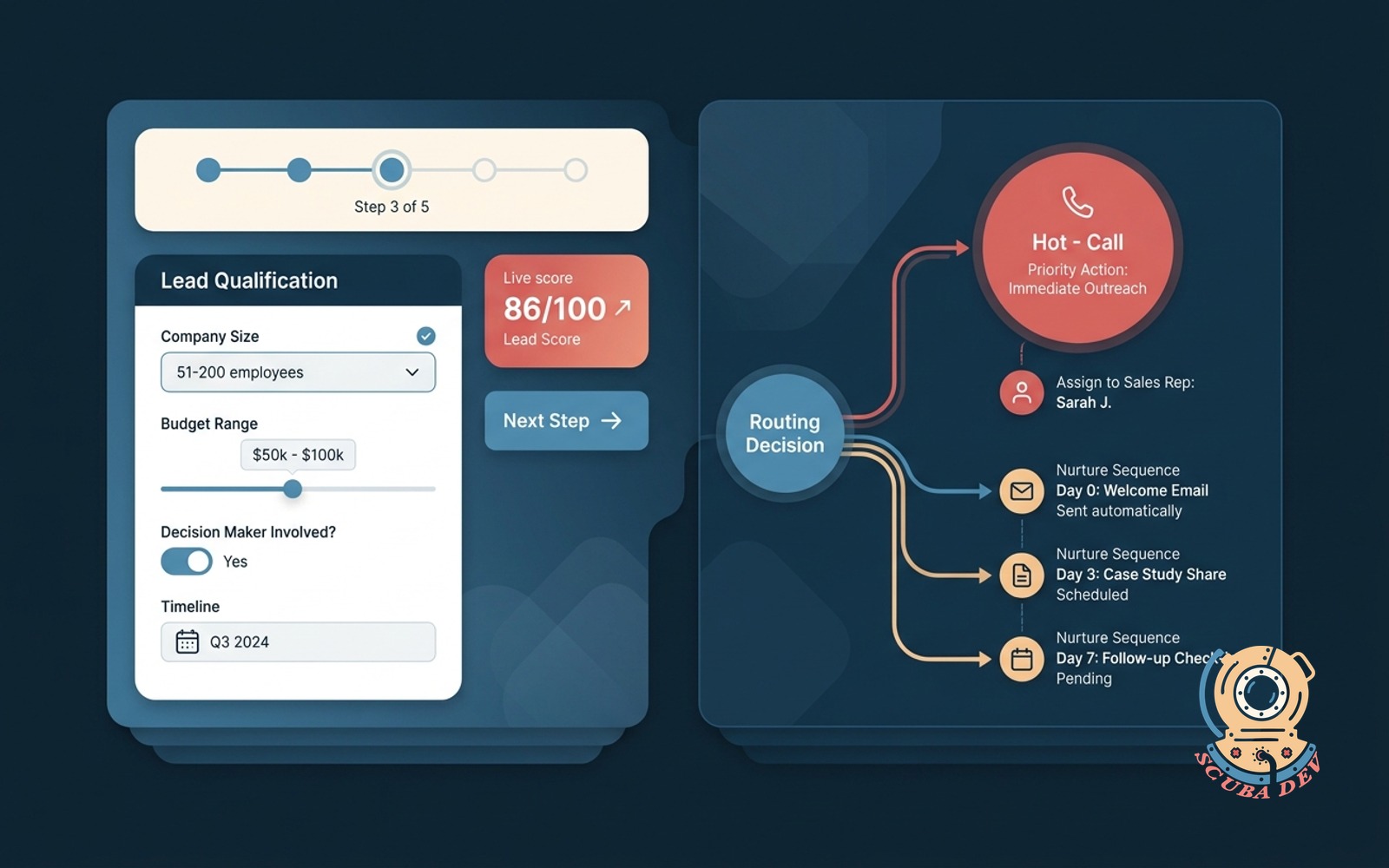
This is the single highest ROI sales agent for a small team with meaningful inbound volume. It turns slow human review into speed-to-qualified-lead measured in minutes. The win is not more automation for its own sake. The win is faster triage with the same qualification standard your best rep would use.
Build notes. Calibrate against closed-won data, not an ICP slide. The agent should reject bad-fit leads even if that makes the booking metric look smaller. Junk meetings are expensive.
Related idea blueprint: Lead intake form that qualifies before it routes →
-
02 / Lead-routing agent
Matches leads to the rep most likely to close that segment while accounting for capacity and PTO.
Effort2 weeksPaybackFirst quarterStackCRM routing + calendar + rules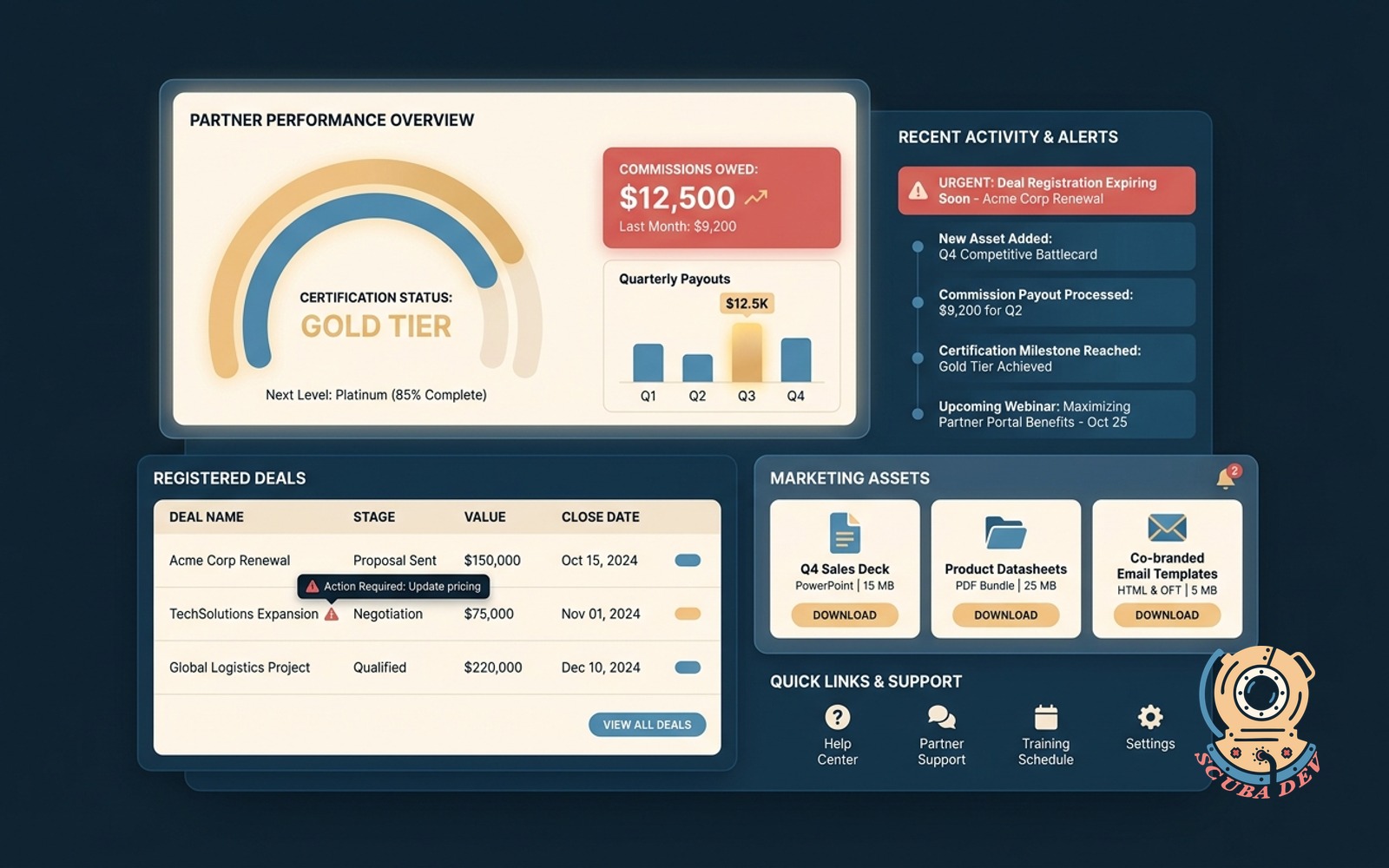
Round-robin assignment is fine until segment fit, rep capacity, account ownership, and service-line expertise start to matter. A routing agent reads the lead context and sends it to the right person with the right context attached.
Build notes. Under four reps, keep the rule simple. Above four reps, route by segment, capacity, account state, and recent close rate. Log every override so the routing model improves instead of calcifies.
-
03 / ICP enrichment agent
Turns a name, email, and domain into firmographics, tech stack, recent signals, and fit score.
Effort1 to 2 weeksPaybackImmediateStackApollo or Clay + CRM + LLM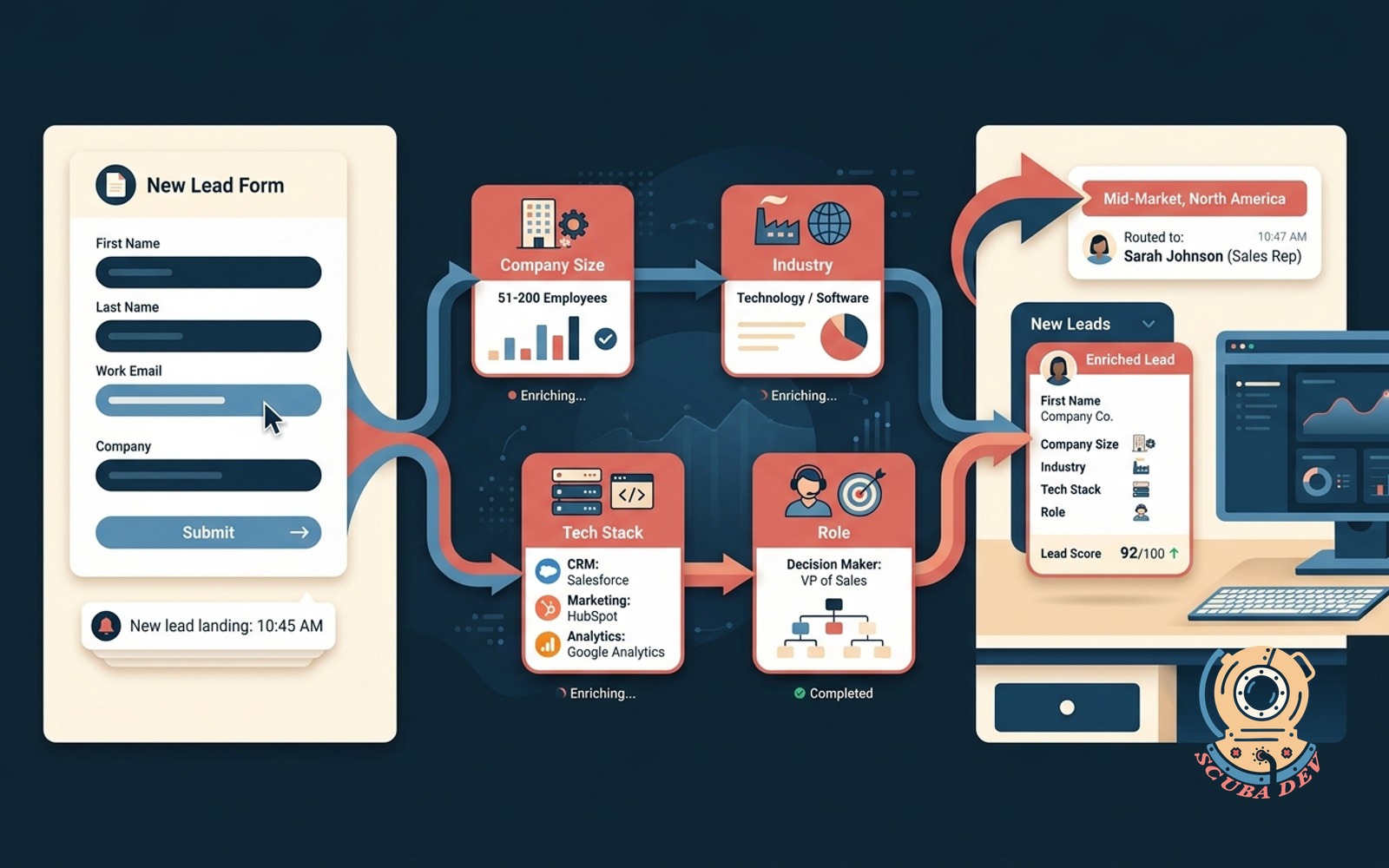
Enrichment is the upstream block that makes every other sales agent sharper. Without it, routing is shallow, qualification is vague, and outbound personalization is mostly theater.
Build notes. Pick one enrichment source per use case. Apollo is usually the small-team default. Clay is better for waterfall enrichment. Score fit against actual closed-won patterns, then write the evidence into CRM fields reps can trust.
-
04 / Meeting-prep research agent
Builds a one-page prospect brief before each call from recent news, emails, posts, and account history.
Effort3 weeksPaybackMonth 2StackCRM + email + research API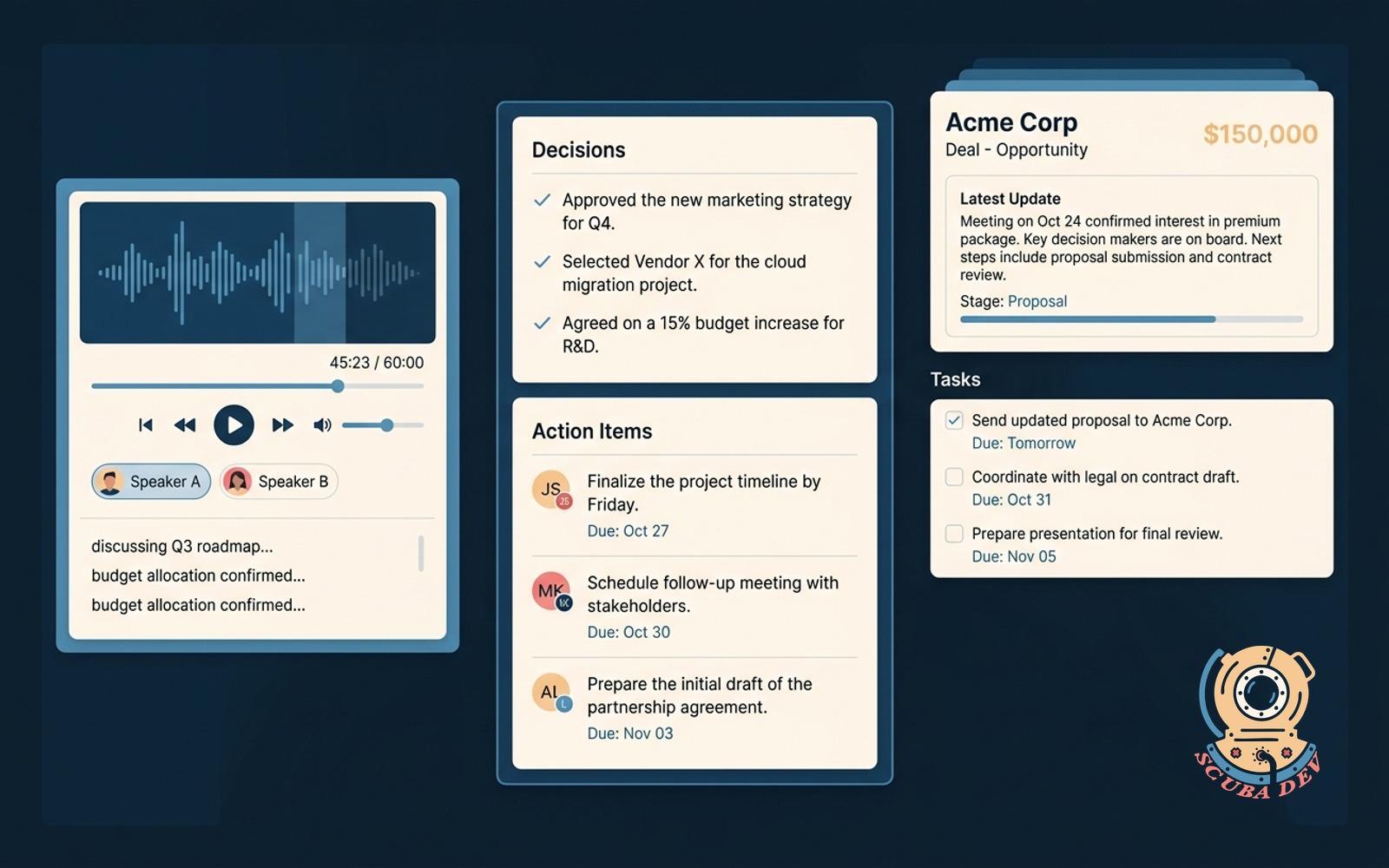
Meeting prep is one of the easiest ways to make prospects feel the difference. The agent does not replace rep judgment. It removes the blank-page scramble before the call.
Build notes. Send the brief by 7 AM with only the fields reps use: why now, company context, buyer context, open risks, likely objections, and the best next question. Keep it short enough to read before joining.
Related idea blueprint: Meeting notes to action items to CRM →
-
05 / Abandoned-form recovery agent
Triggers on partial form intent and sends a plain-text recovery message while the lead is still warm.
Effort1 weekPaybackImmediateStackForm events + email + SMS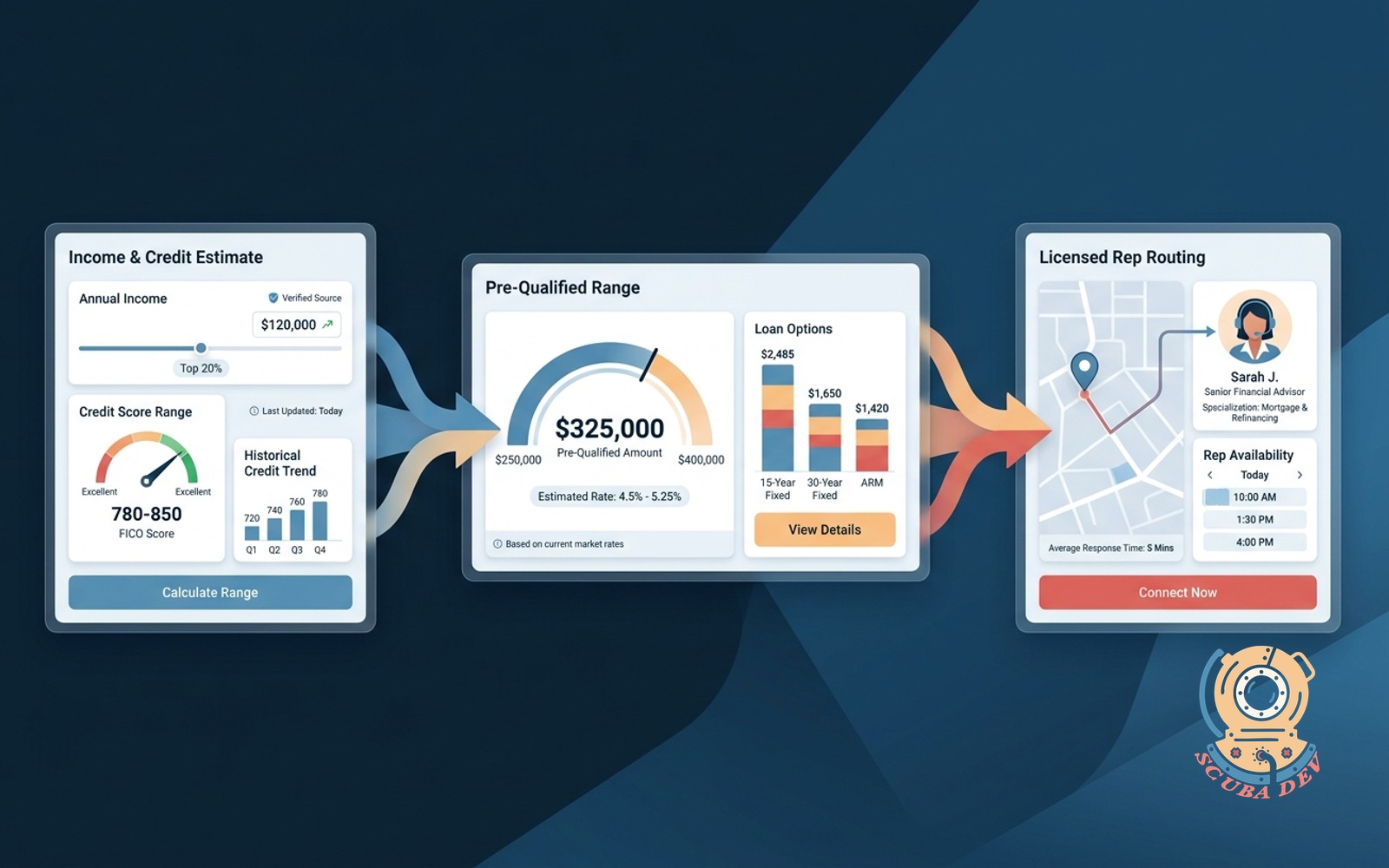
A dropped form is usually warmer than a cold outbound lead. This agent recovers the ones who had intent but ran into friction, distraction, or a question the form did not answer.
Build notes. Keep the first message plain-text. Do not over-personalize. Do not use SMS unless permission is clear. Route every recovery reply to a human while the agent handles the timing.





-
06 / Outbound personalization agent
Drafts first-touch outbound from real prospect events with human approval before send.
Effort3 to 4 weeksPaybackVaries by list qualityStackProspect list + research + LLM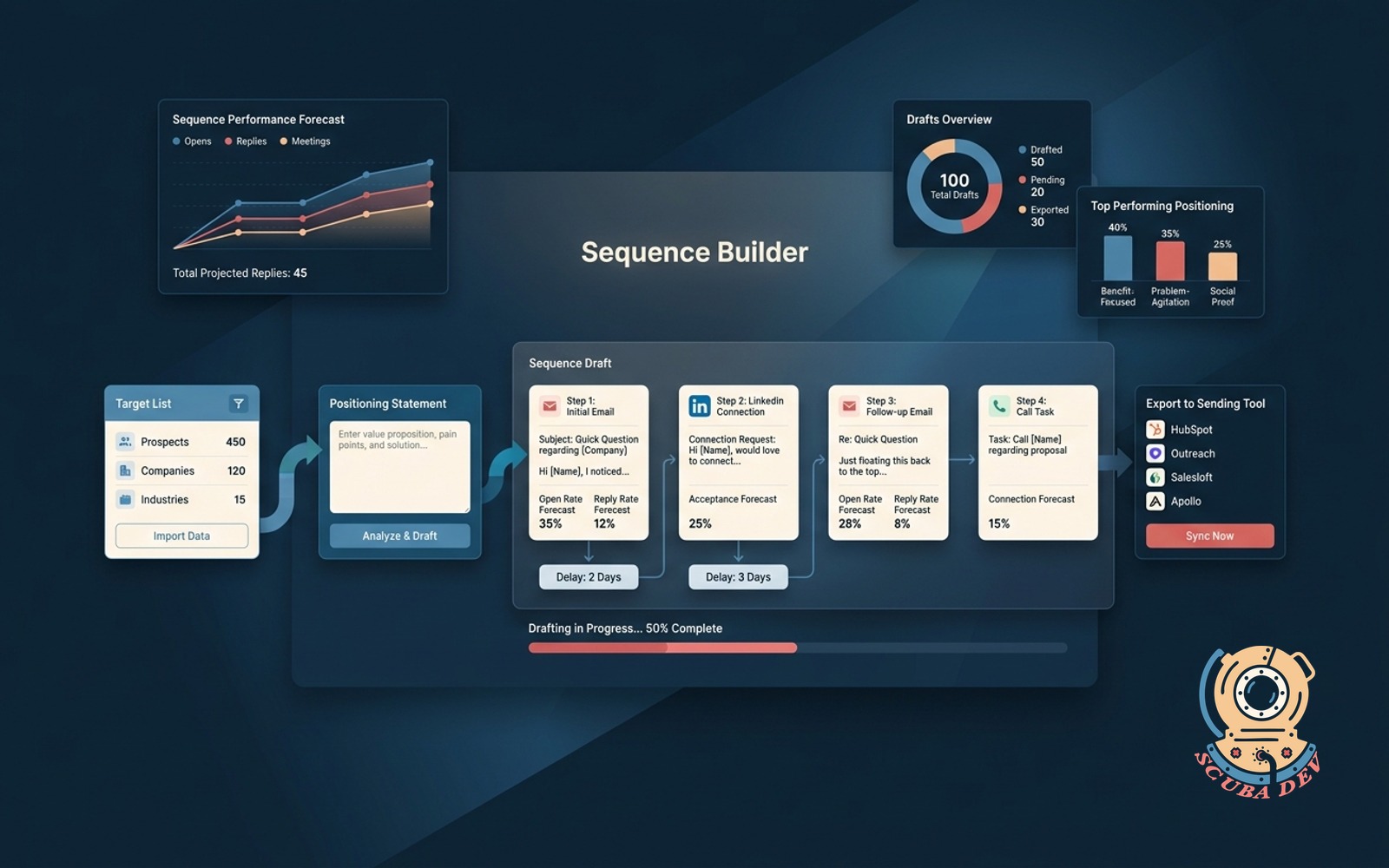
This is where AI sales becomes useful or becomes spam. The agent should improve relevance, not volume. A bad list with AI copy is still a bad list.
Build notes. Human approval for the first 100 sends is non-negotiable. Measure reply quality, not just reply rate. If the agent cannot cite the signal behind the personalization, the draft should not leave the system.
-
07 / Proposal-intake and scoping agent
Runs the early scoping conversation, asks discovery questions, and flags budget or fit issues before a call.
Effort4 to 6 weeksPaybackMonth 2StackCustom service + CRM + proposal system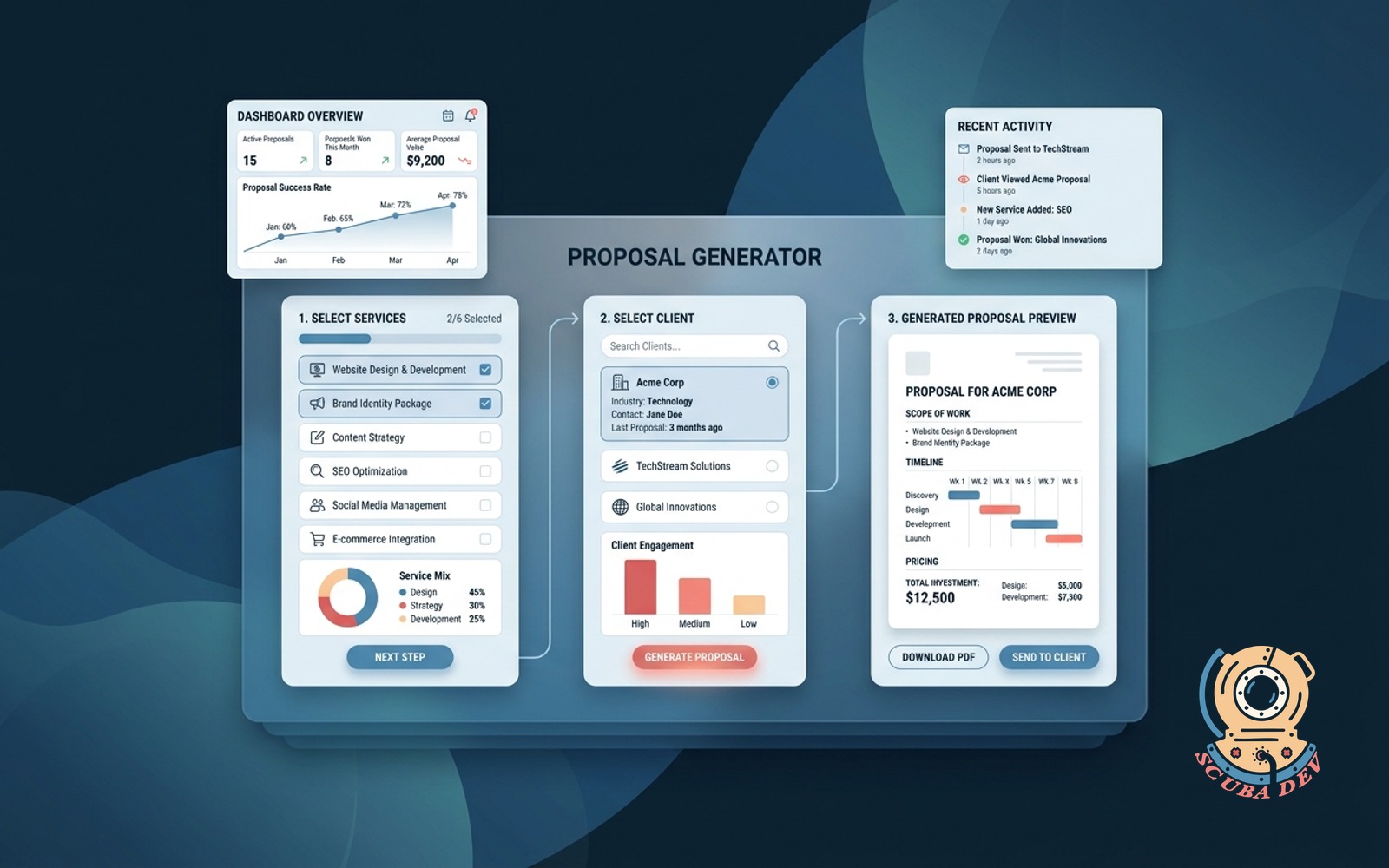
This agent saves expensive discovery time by gathering the inputs a human closer needs before the first serious call. It works best when the sales motion already has a known qualification script.
Build notes. Do not let the agent pretend to price complex work alone. Use it to collect constraints, surface risk, and route the opportunity. A human should own the judgment call and the final proposal.
Related idea blueprint: Proposal generator tuned to your service menu →
-
08 / CRM hygiene agent
Finds duplicates, missing fields, stale deals, and broken records before they poison downstream automation.
Effort2 weeksPaybackMonth 1StackCRM API + rules + LLM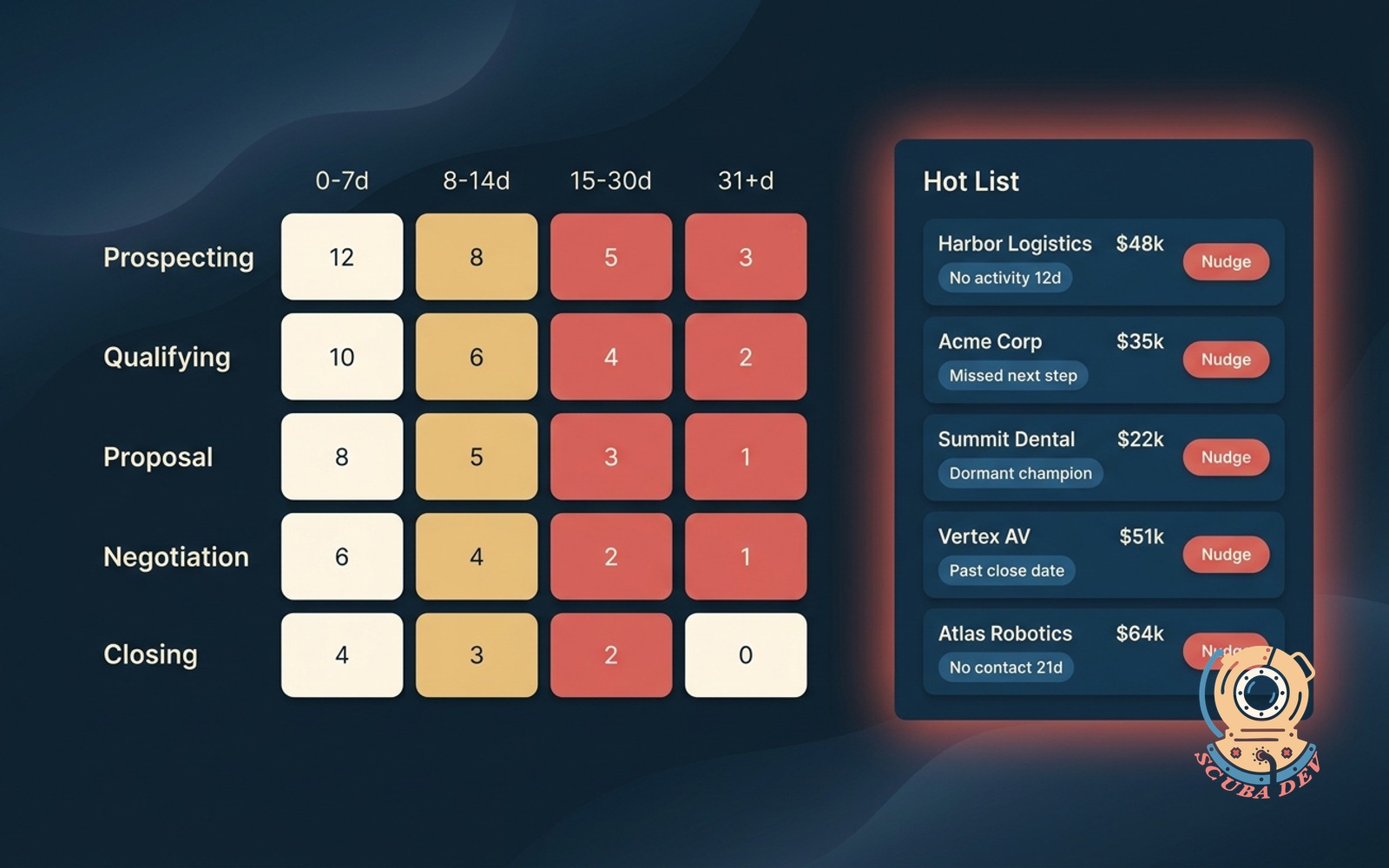
CRM hygiene is unglamorous and brutally valuable. Clean data makes qualification, routing, forecasting, and renewal-risk agents work. Dirty data quietly breaks all of them.
Build notes. Start with safe fixes and flagged review queues. Auto-merge only when confidence is high. Track avoided rep time and downstream error reduction as the ROI.
-
09 / Competitive-intel agent
Watches competitors across pricing, hiring, press, reviews, and social, then posts a weekly sales digest.
Effort2 to 3 weeksPaybackHarder to measureStackn8n + scrape + LLM digest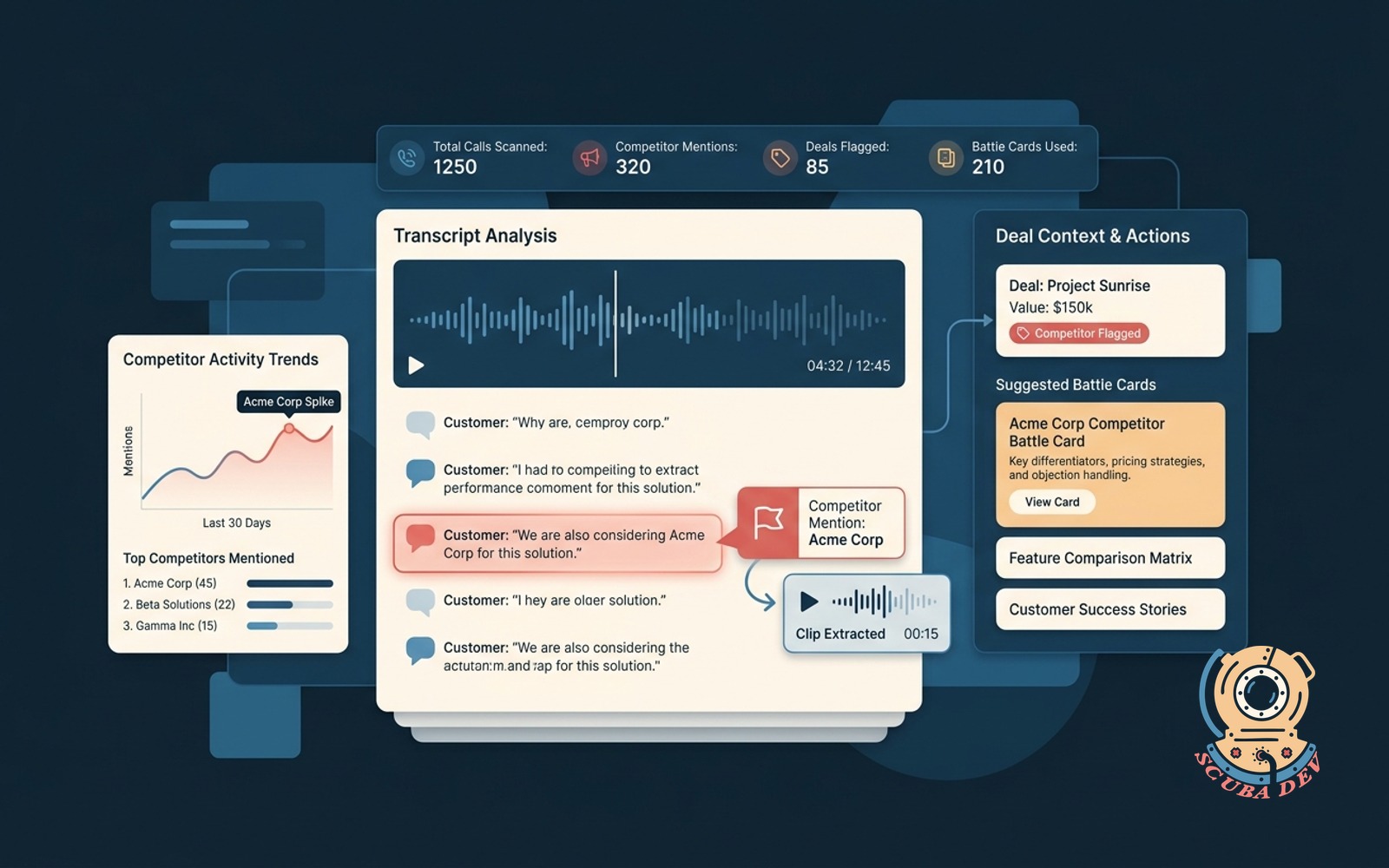
Competitive intel is useful when it reaches reps before the prospect brings it up. This agent turns scattered public signals into a battle-ready digest with context, not noise.
Build notes. Watch named competitors only. Every claim needs a source link. Route urgent shifts separately from weekly summaries so the sales team learns when to care.
Related idea blueprint: Competitor mention flag in call transcripts →
-
10 / Renewal and churn-risk agent
Flags at-risk accounts 60 to 90 days before renewal using usage, support, and stakeholder signals.
Effort3 to 5 weeksPaybackMonth 3StackProduct data + support + CRM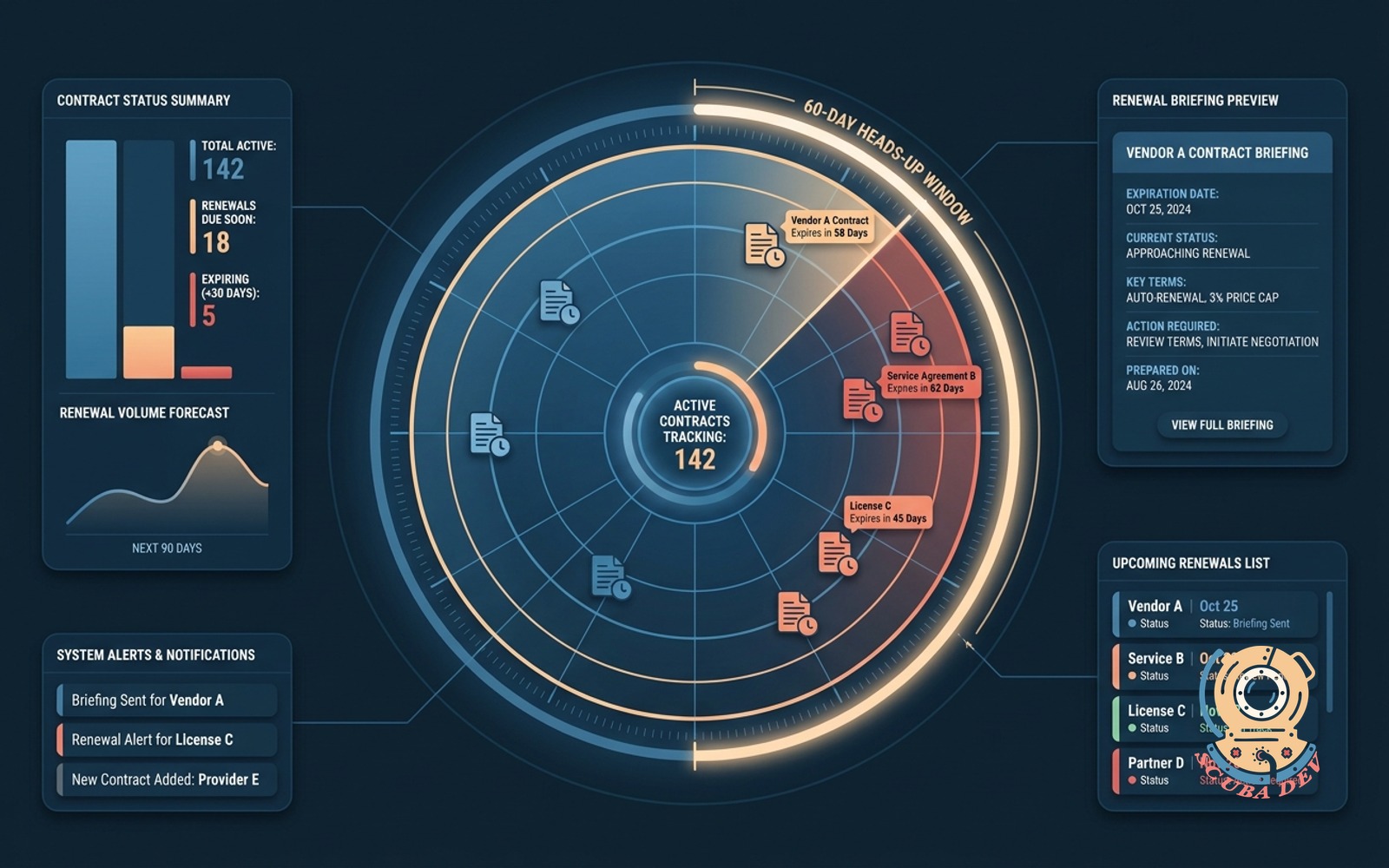
Renewal risk is not a sales-only signal. It lives across product usage, support tickets, stakeholder changes, and buying history. The agent gives CSMs a reason to intervene before the renewal call turns defensive.
Build notes. Usage dips, unresolved support pain, missing champion activity, and executive change events are stronger together than alone. Show the evidence, not just a score.
Related idea blueprint: Contract renewal radar with 60-day heads-up →






-
11 / RFP-response agent
Maps RFP questions to an answer library, drafts first responses, and flags the parts that need humans.
Effort4 weeksPaybackImmediate with RFP volumeStackAnswer library + retrieval + LLM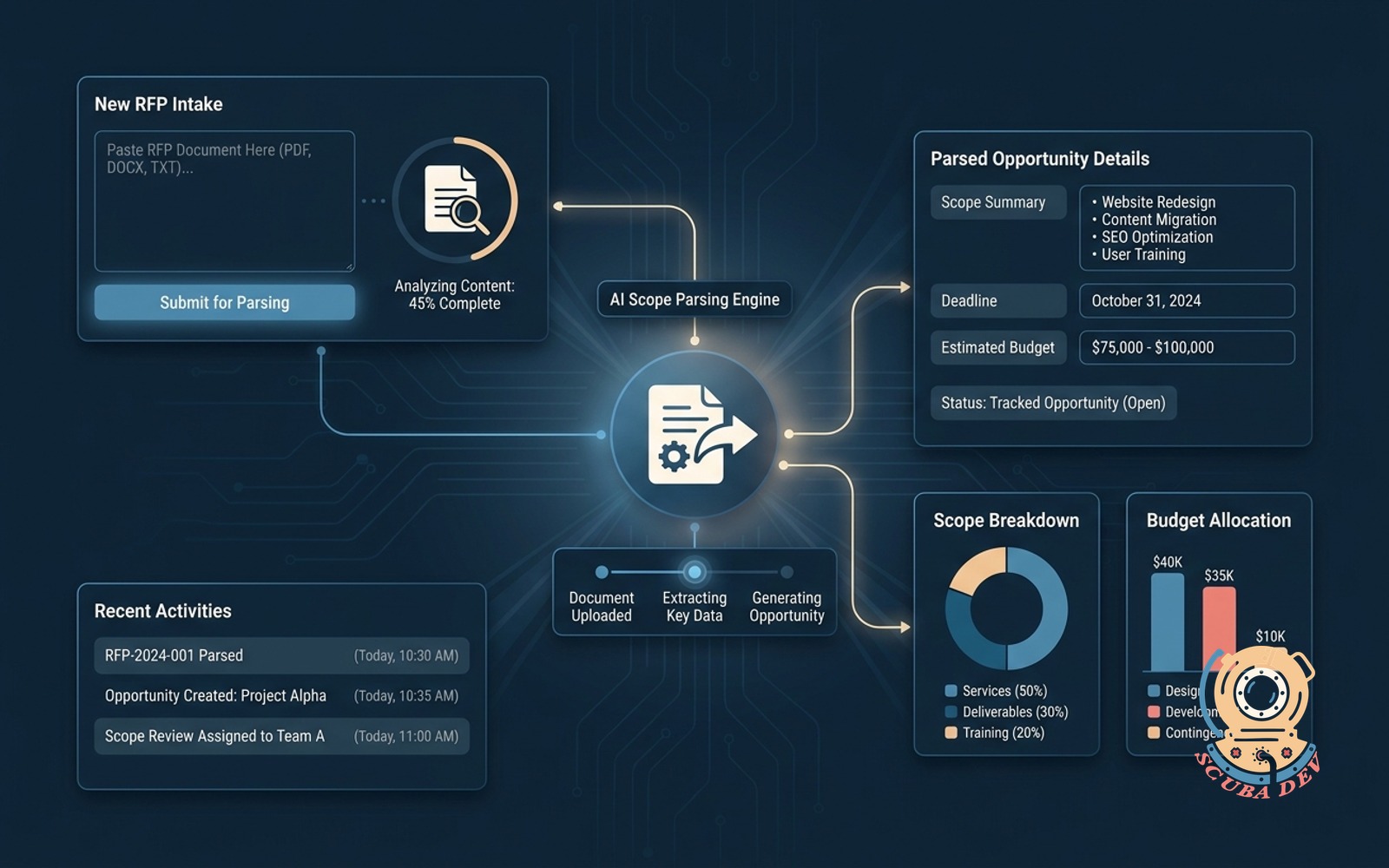
Teams that answer RFPs regularly burn dozens of hours on repeated questions. The agent compresses the first draft and leaves the hard twenty percent visible.
Build notes. If the company loses every RFP, fix positioning before automating response. The answer library needs owner review, source dates, and red flags for anything legal, security, or pricing related.
-
12 / Demo-scheduling agent
Handles scheduling edge cases, time zones, technical attendees, reminders, and polite reschedules.
Effort2 weeksPaybackMonth 1StackCalendar + CRM + email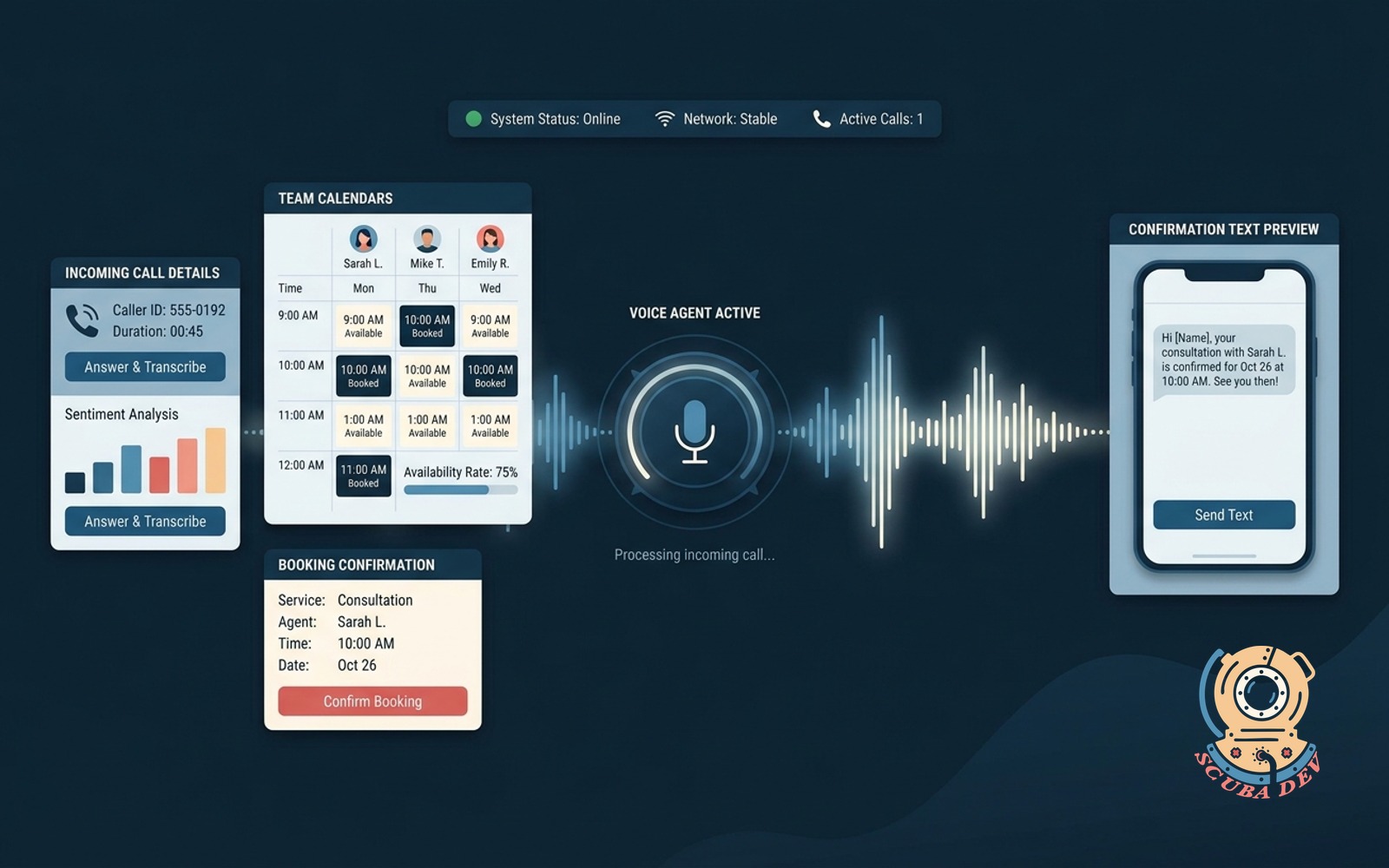
Calendly handles easy scheduling. This agent handles the parts that leak meetings: time-zone confusion, missing technical attendees, reschedule loops, and stale confirmation threads.
Build notes. The agent should know when to add a sales engineer, when to offer alternate slots, and when to escalate. Recovered reschedules are the metric that matters.
-
13 / Deal-review agent with margin gate
Checks margin, discount depth, custom terms, and legal flags before large deals move forward.
Effort3 to 4 weeksPaybackMonth 2StackCRM + finance rules + approvals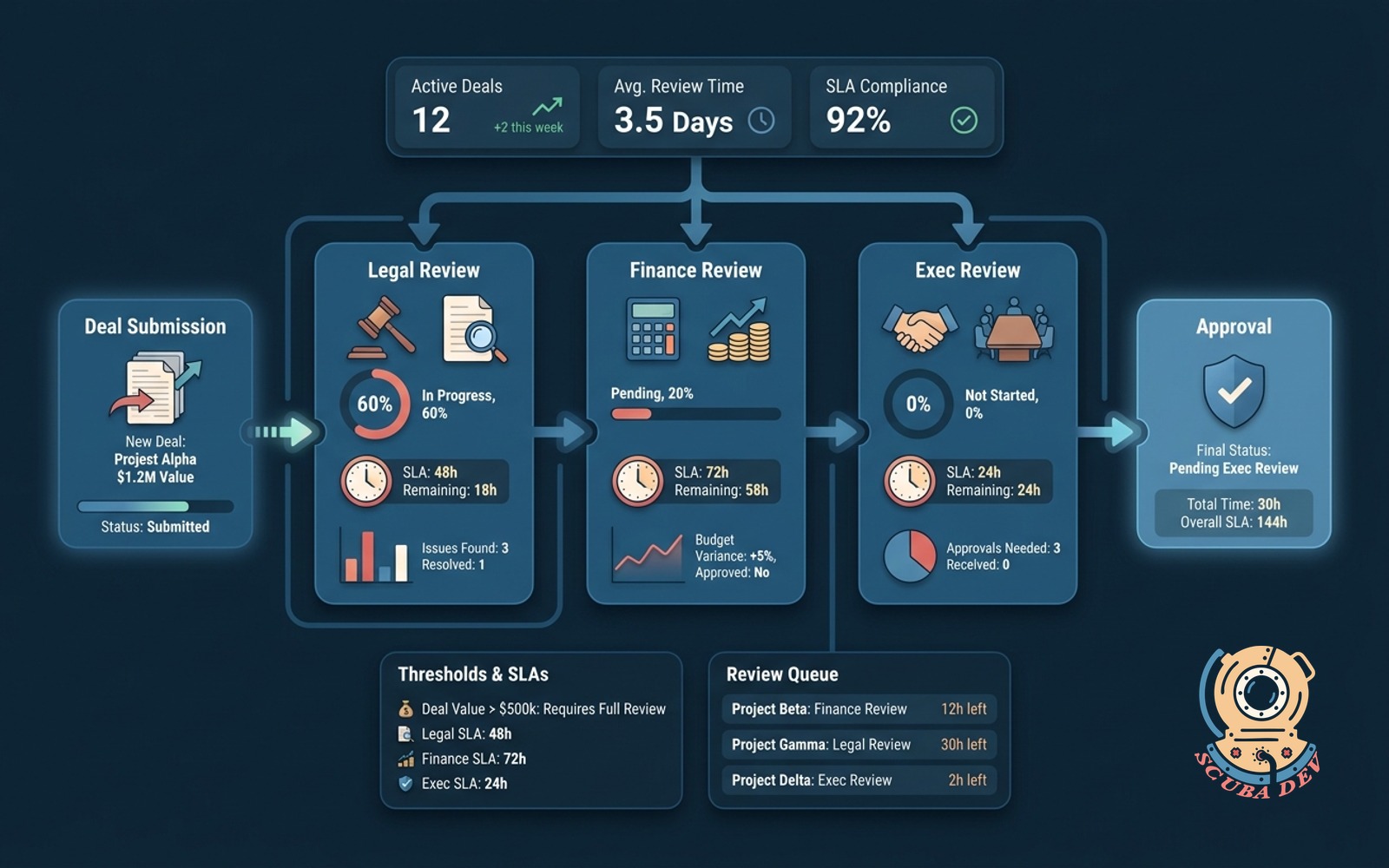
This agent protects margin without slowing every deal. Clean deals pass. Thin-margin or custom-term deals route to finance with the packet already assembled.
Build notes. Keep thresholds explicit. Approval logic should be auditable. Never bury a custom term inside an LLM summary without linking to the source clause.
-
14 / Lost-deal reactivation agent
Watches closed-lost accounts for trigger events and drafts re-engagement for the original AE.
Effort3 weeksPaybackQuarter 2StackCRM + trigger monitoring + LLM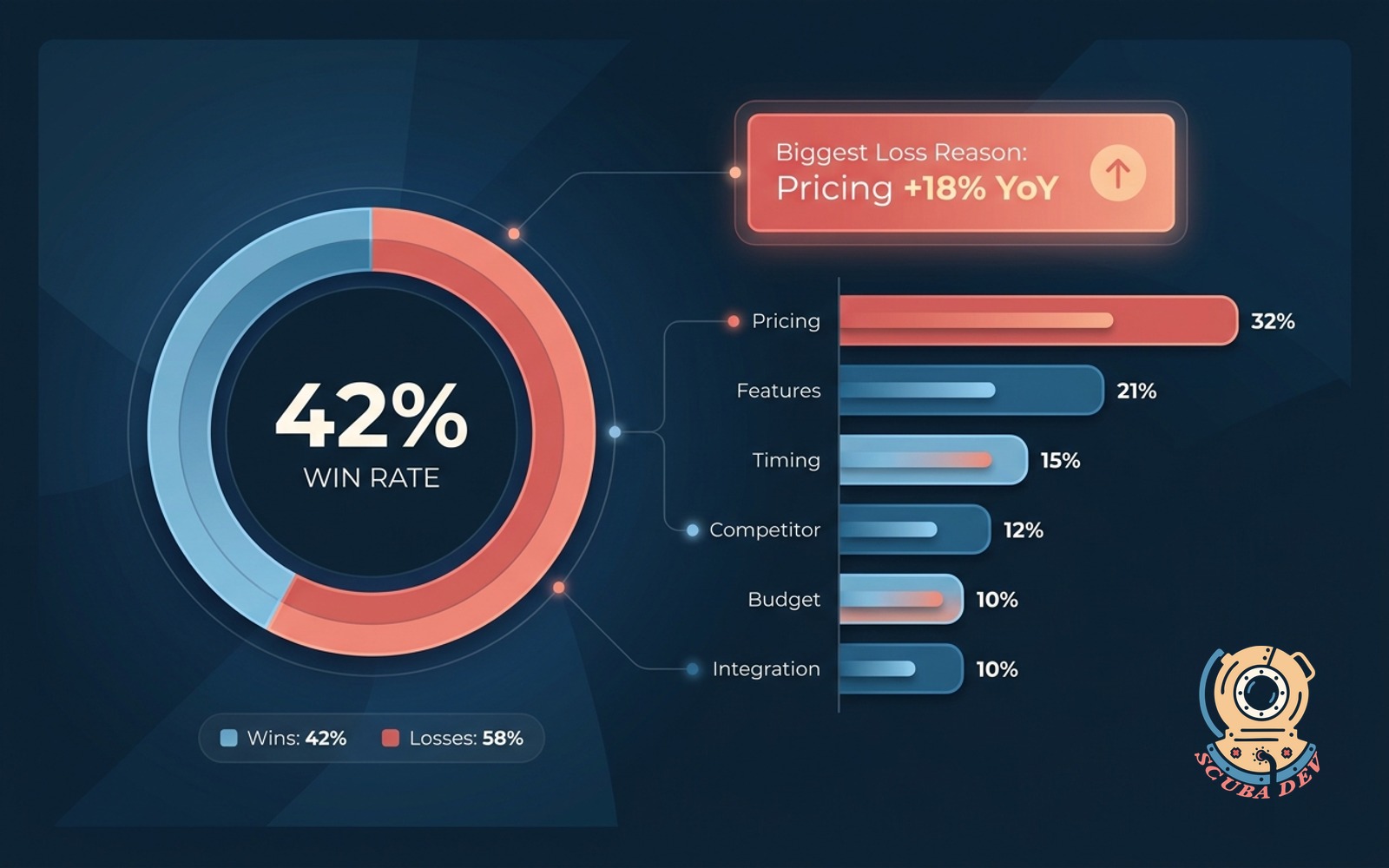
Closed-lost is not dead forever. Funding, hiring, leadership changes, product launches, and competitor pain can reopen a conversation if the original context is preserved.
Build notes. Draft, do not auto-send. The best reactivation email references the original reason the deal was lost and the new trigger that changes the conversation.
Related idea blueprint: Win-loss dashboard with reason tagging →
-
15 / Territory-planning agent
Runs quarterly planning checks for account coverage, ICP mix, rep books, and under-covered segments.
Effort4 weeksPaybackNext fiscal quarterStackCRM + warehouse + planning rules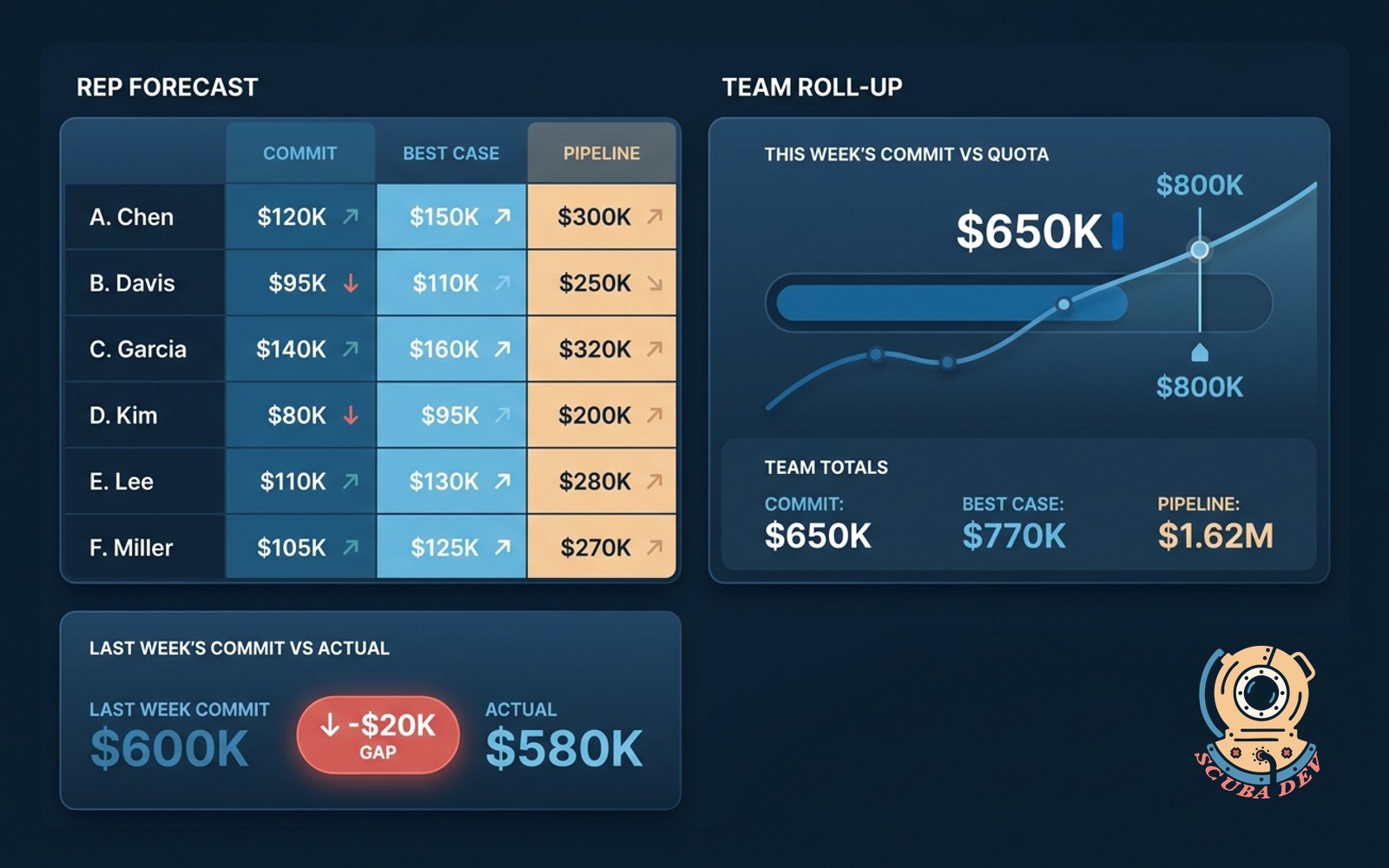
This is a meta agent. It earns its place after the operational agents are stable. Used too early, it becomes a fancy spreadsheet. Used at the right time, it reveals where coverage and ICP mix are working against the team.
Build notes. Run quarterly, not continuously. Pair the recommendations with the source data and a human planning session. Do not automate territory changes without leadership review.
Related idea blueprint: Pipeline forecast with commit buckets →







Which two to ship first
If you have one quarter and one engineer, ship the inbound qualifier and ICP enrichment first. Three reasons.
- 01
They fix the two upstream leaks
Slow qualification and weak context are the two leaks every sales team feels. Neither requires warehouse-scale data. Both ship in under three weeks. Both show measurable ROI inside the first thirty days.
- 02
They compound into the rest
The qualifier creates labeled intent data. Enrichment gives every downstream agent better context. Starting with the right two agents makes routing, outbound, proposals, and churn-risk scoring better.
- 03
They are the cleanest operating shapes
Fit scoring plus enrichment are the cleanest patterns to teach a sales team. Once those work, every other agent on this list is a known shape with new data attached.


FAQ
What is the difference between an AI SDR and an AI sales agent?
A: An AI SDR is one type of AI sales agent, usually focused on outbound or inbound qualification. AI sales agent is the broader category: routing, enrichment, research, CRM hygiene, deal review, scheduling, renewal risk, and reactivation. Most teams need several narrow agents, not one fake autonomous closer.
Will an AI sales agent replace my SDRs?
A: No. It changes what SDRs spend time on. The best deployments reduce qualification, enrichment, prep, and CRM cleanup so humans can spend more time on high-judgment outbound, discovery, and relationship work.
How much does one of these agents cost to build?
A: The small agents usually land around $8K to $20K. Deeper agents such as proposal intake, RFP response, and churn-risk scoring can run $25K to $45K because the integrations and data quality work are the real build.
Do I need Clearbit, Apollo, and Clay?
A: No. Pick one enrichment source per use case. Apollo is the practical default for small teams. Clay is better for waterfall enrichment. Clearbit lives inside HubSpot Breeze Intelligence and can still be strong for firmographics.
How do I know if an agent is working?
A: Define the metric before the build starts. Inbound qualifier means speed-to-qualified-lead and meeting-book rate. Enrichment means fit-score accuracy against closed-won data. Routing means closed-won rate by rep or segment. If the metric is vague, the agent is not ready to ship.
Can I build these without engineers?
A: Agents 1, 2, 5, 8, and 12 can be built on low-code stacks by a technical ops person. The rest need real engineering, especially where CRM data, product usage, security, or custom approval logic is involved.